Focus
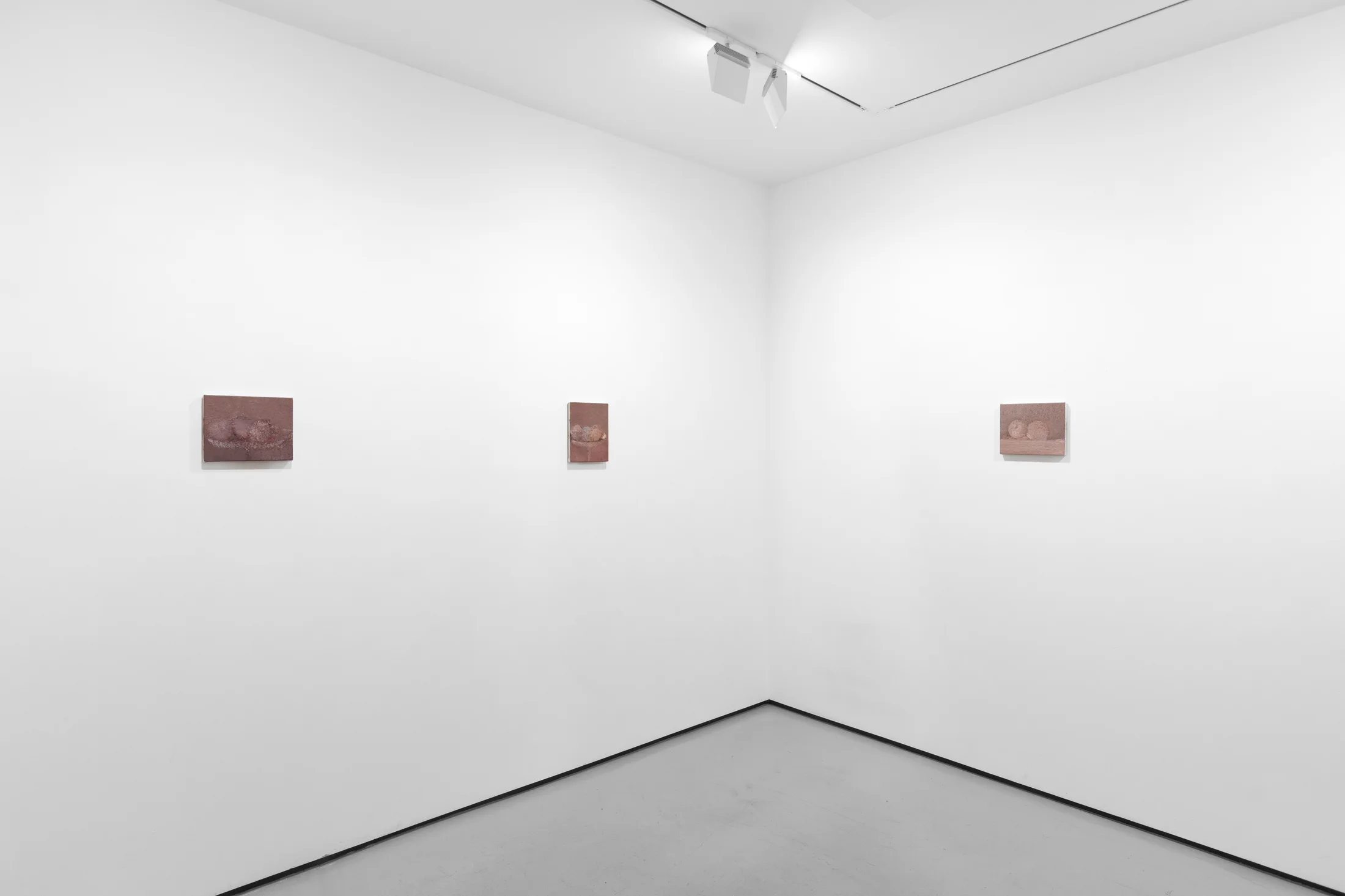
Installation view:
Marta Ravasi:
Focus,
WORKPLACE, London, United Kingdom.12 February - 14 March 2026
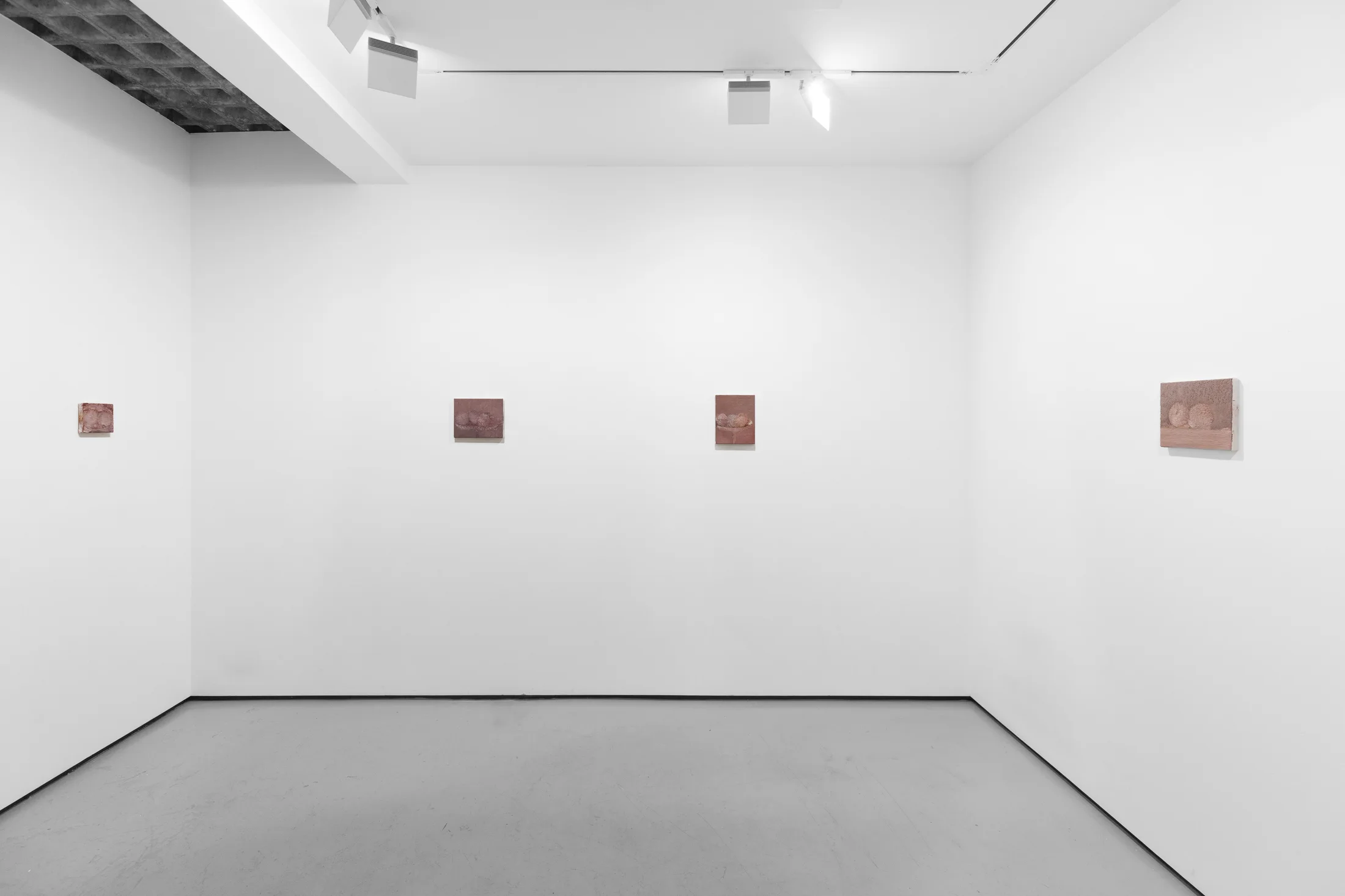
Installation view:
Marta Ravasi:
Focus,
WORKPLACE, London, United Kingdom.12 February - 14 March 2026
WG: You work from a combination of your own photographs and online images, allowing them to evolve physically over time in your studio. How does this transformation affect the final outcome of the work?
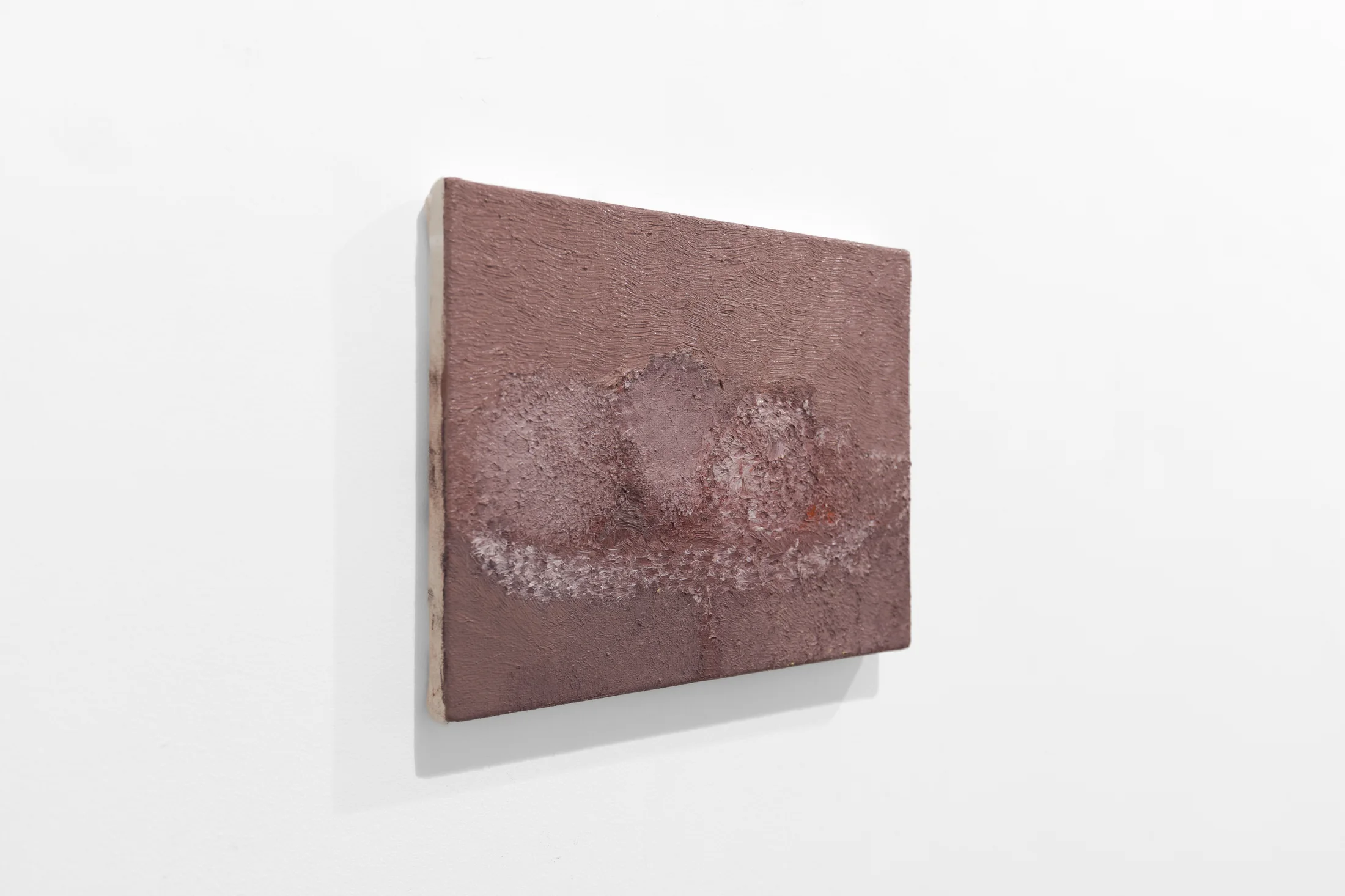
MR: My painting approach is always deeply transformative. From this process, which serves as the premise, unexpected outcomes emerge that, while linked by the nature of the subject, vary in their formal solutions. In this sense, the work relates more to painting and its language than to the image itself.
This initial idea underscores how, although images function as the starting point - and even the endpoint, in terms of subject matter, my true interest lies in the transition that occurs from image to painting and vice versa. Through the transformation of the subject, it is ultimately made to coincide with itself, not in its representation, but in its essence as painting.
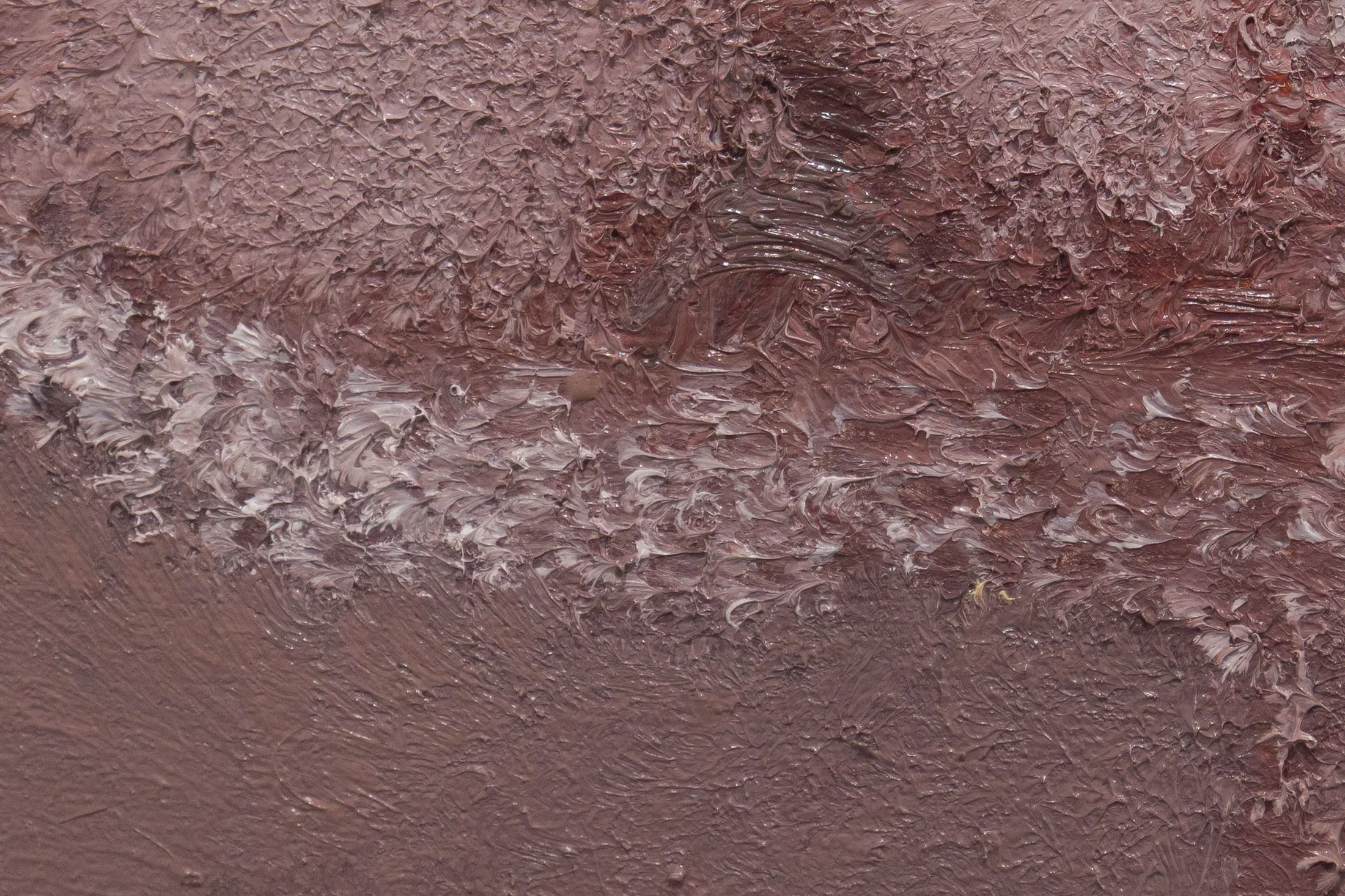
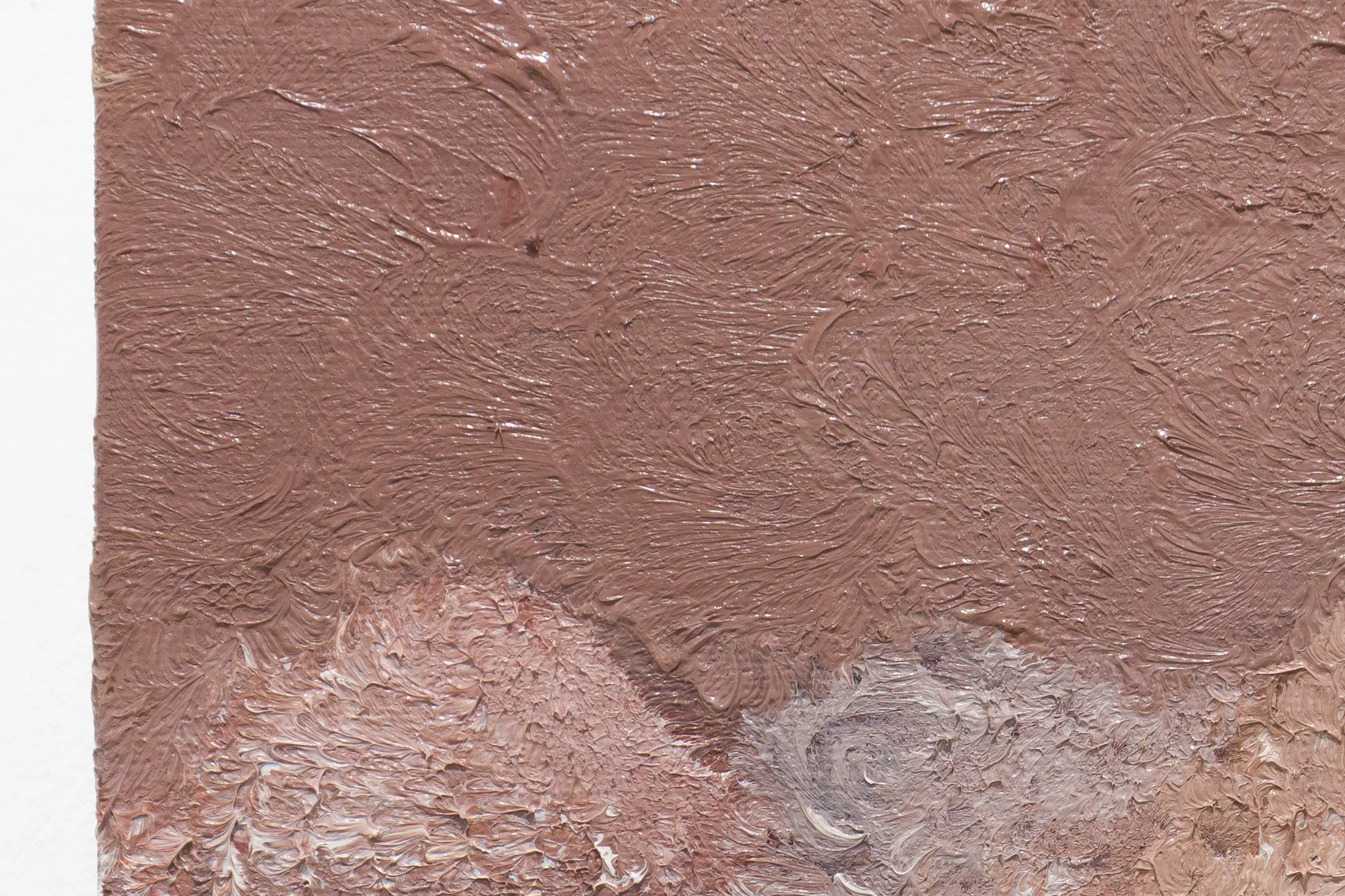
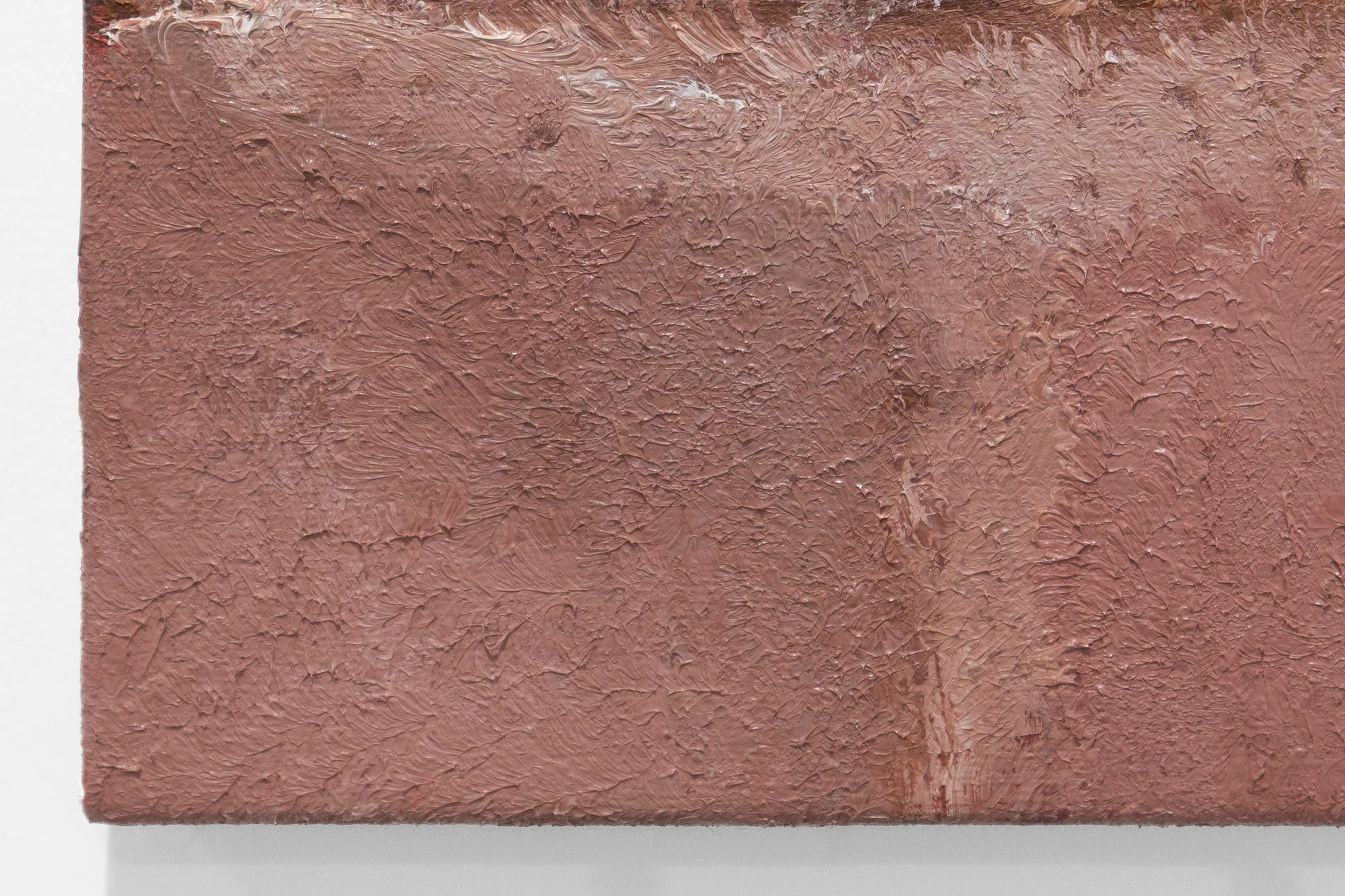
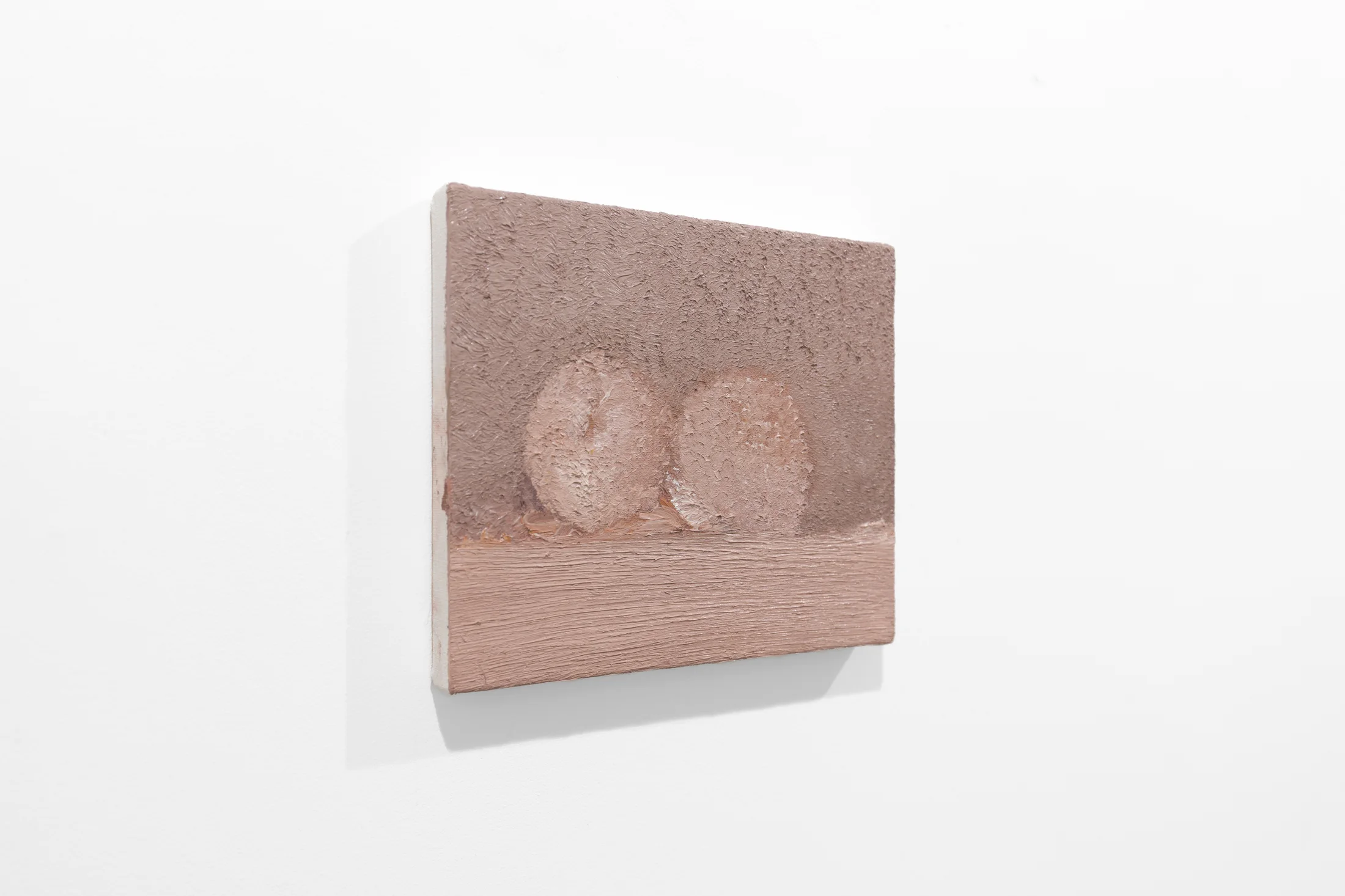
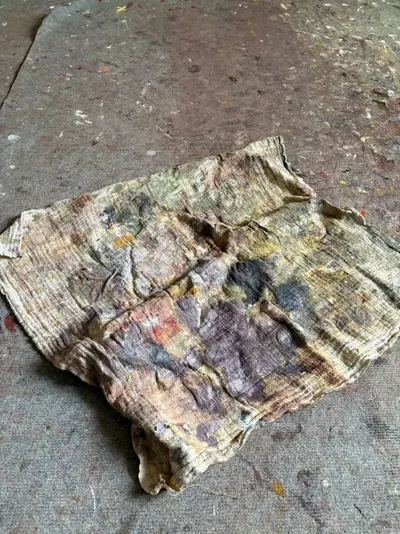
This is a strongly physical evolution, concealed within the various layers of material, which act as the true protagonists. Paradoxically, the initial image is no longer fundamental; instead, it recedes over time - whether dilated or compressed - spent in the studio. This may also reference the way digital images present themselves to us today, from which my ‘economy of painting’ deliberately distances itself.


Marta Ravasi
WG: Scale plays an important role in how your paintings are experienced, creating an intimacy that encourages a slower viewing. Can you talk about this?
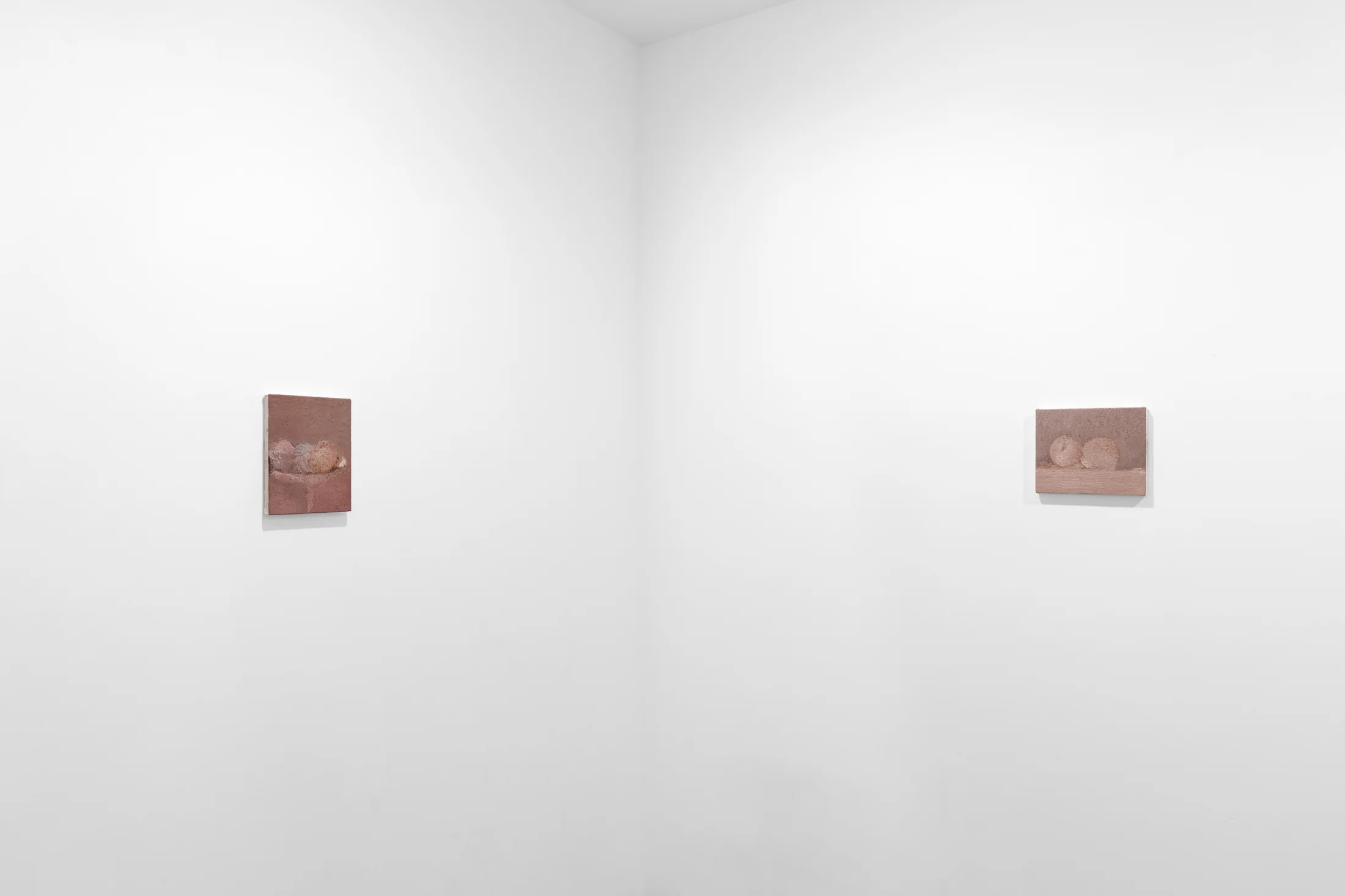
MR: At this stage of my practice, the scale of the works is deliberately reduced. While painting, whether actively working or observing, I often find myself at a very close distance: close-up or at arm’s length. For me, this means engaging with something intimate, in which I become lost and which I cannot fully perceive until the painting is complete. Only at this final stage, as the paint dries, do I step back and begin to grasp the work as a whole.
I would like the viewer to immerse themselves in the painting in a similar way and, returning to the question of images, to discover a different mode of engagement with them.
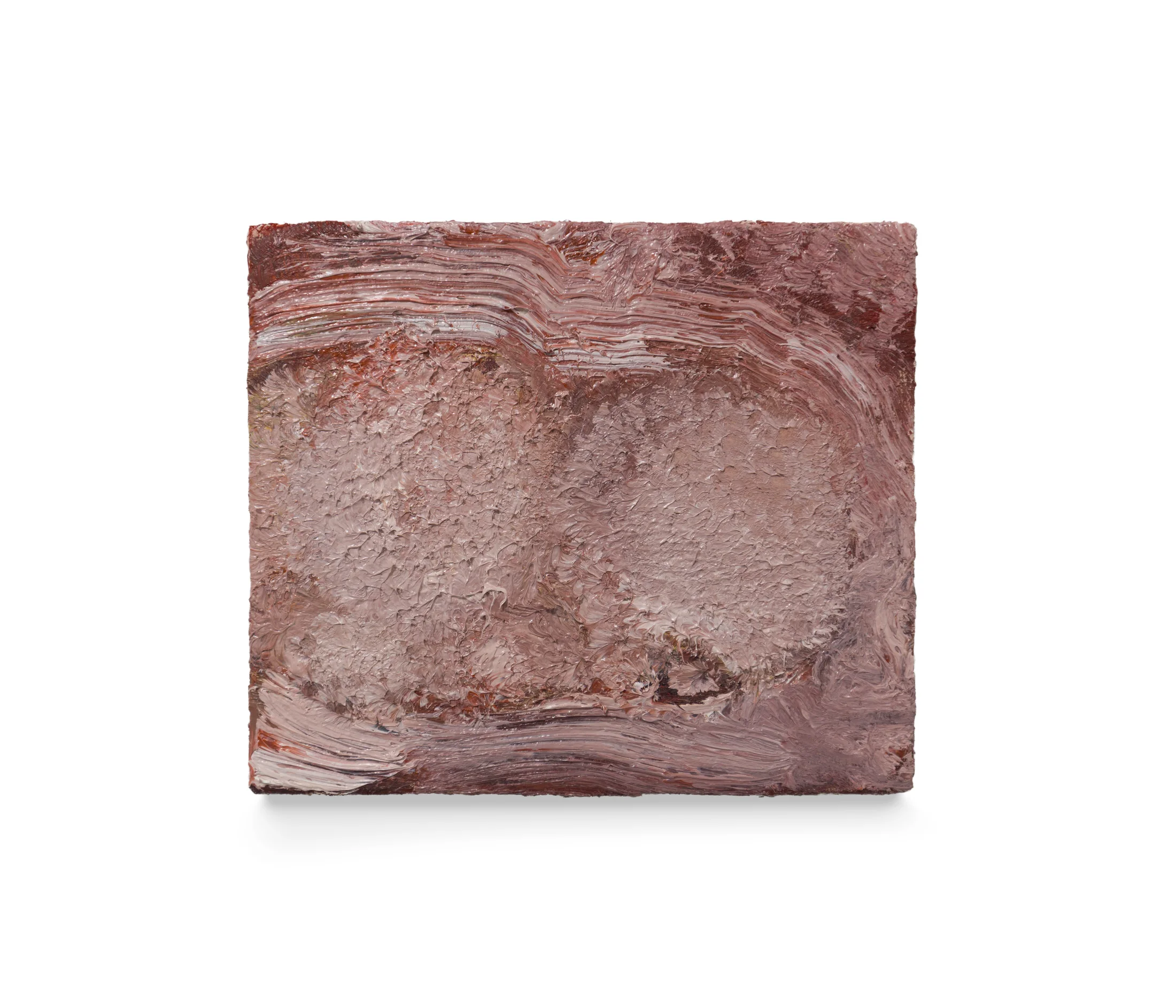
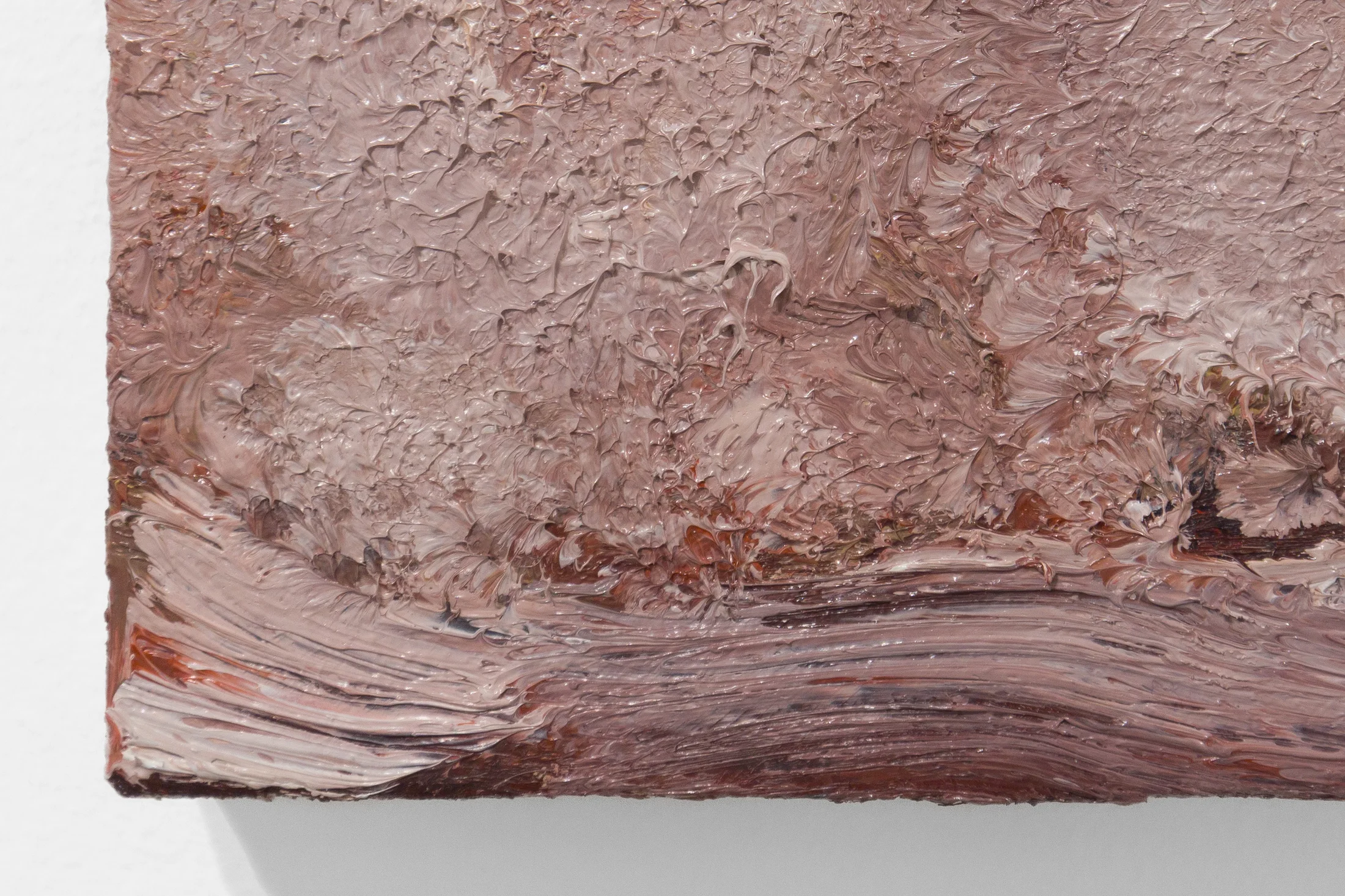
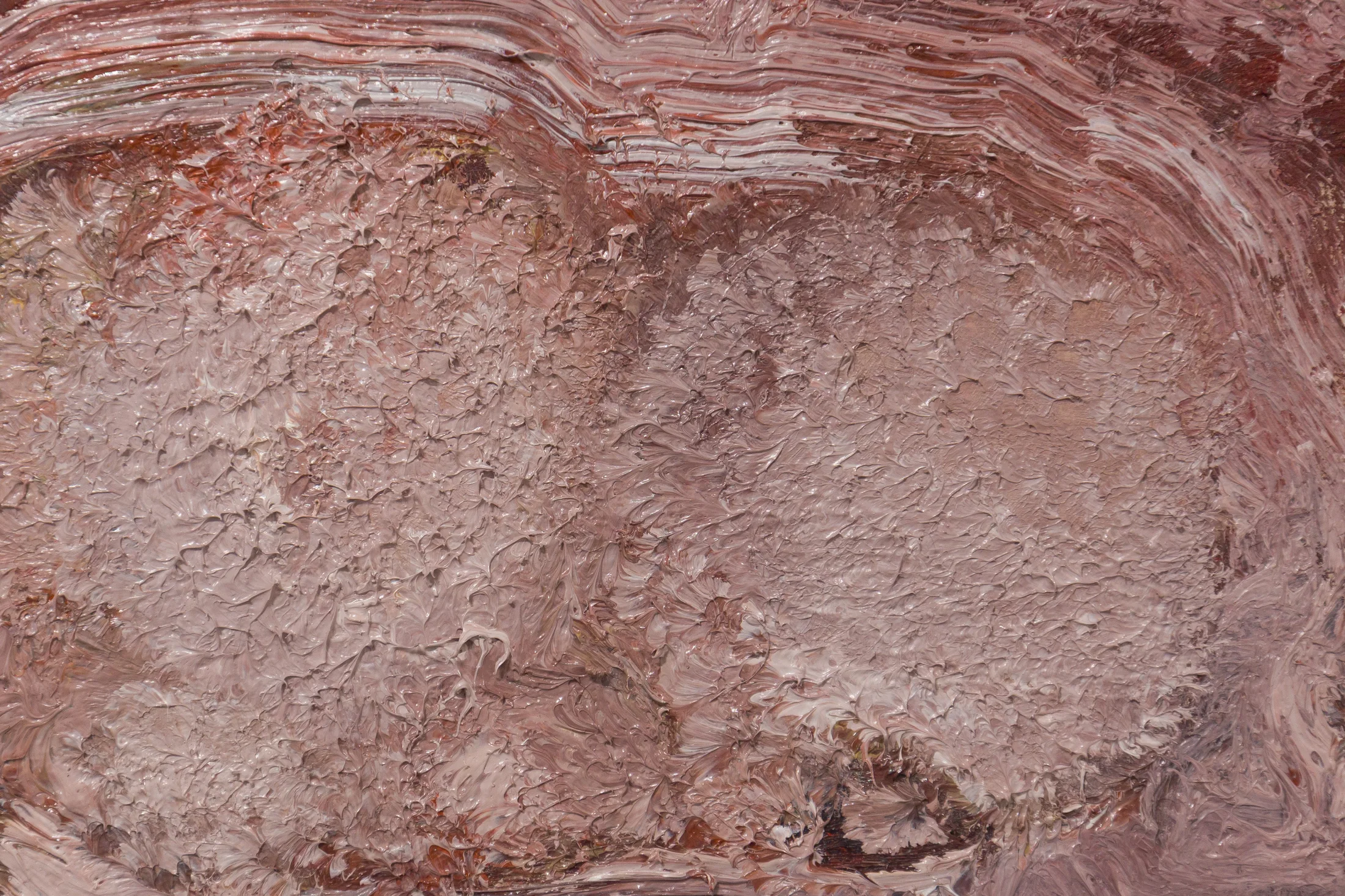
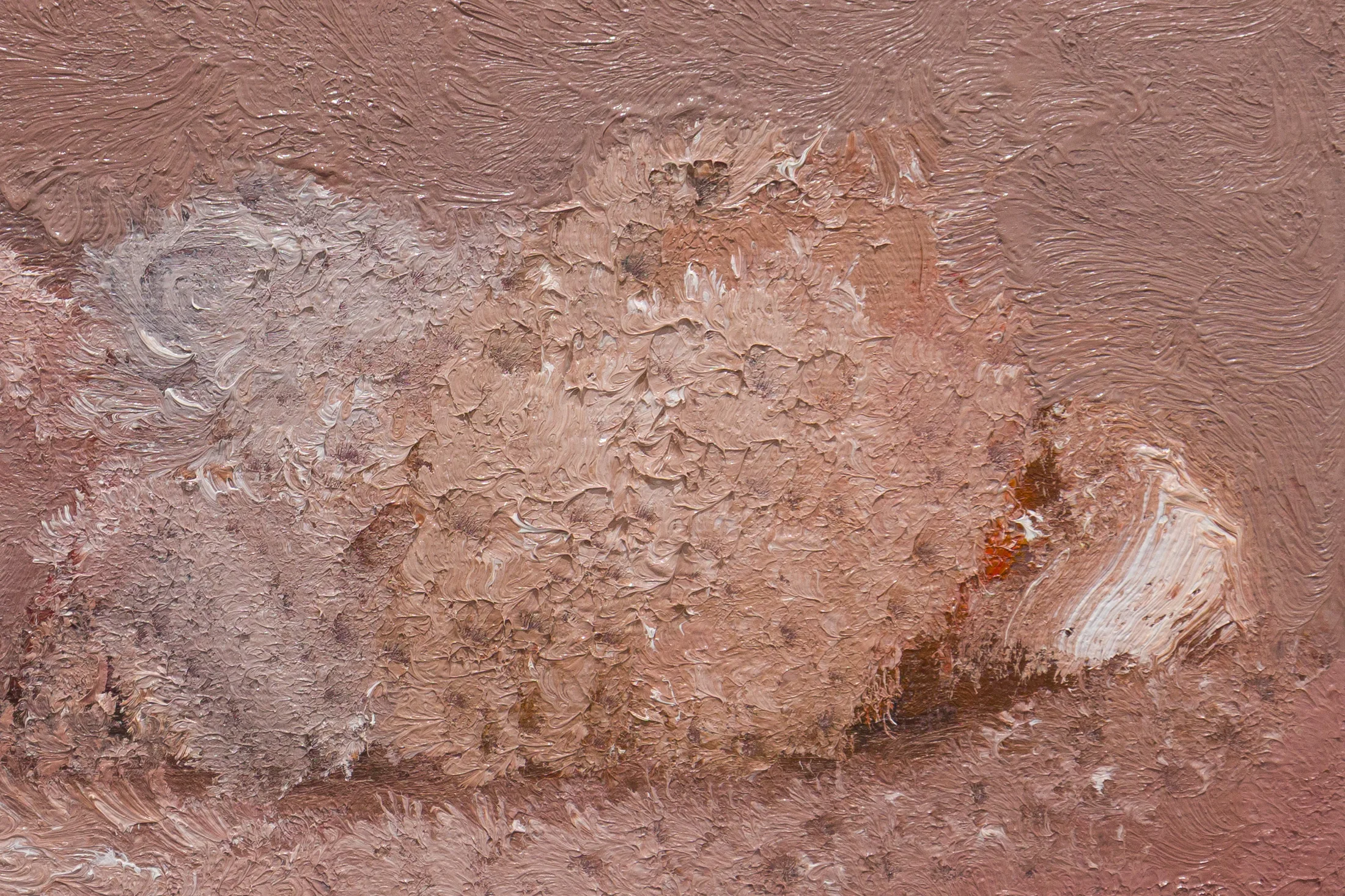
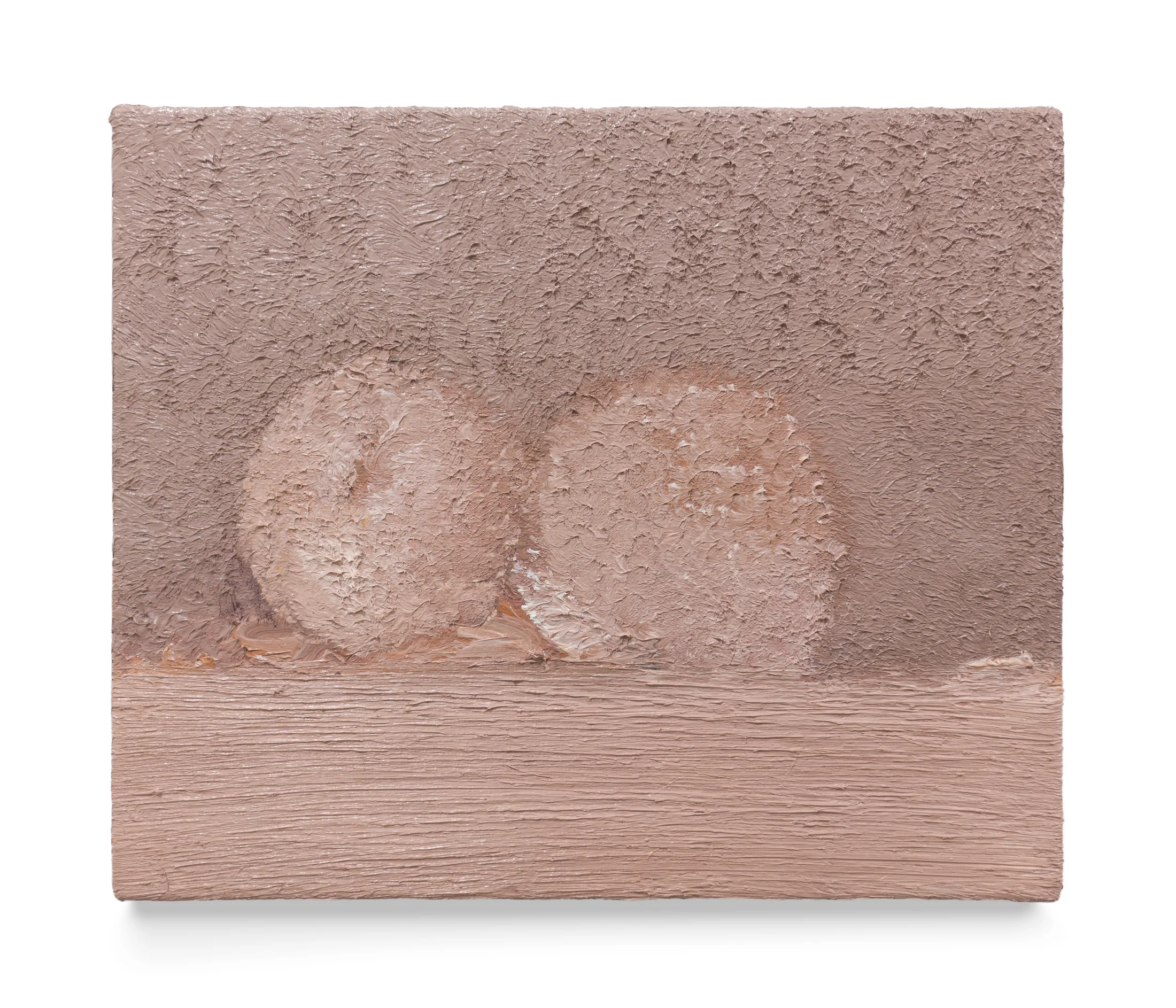
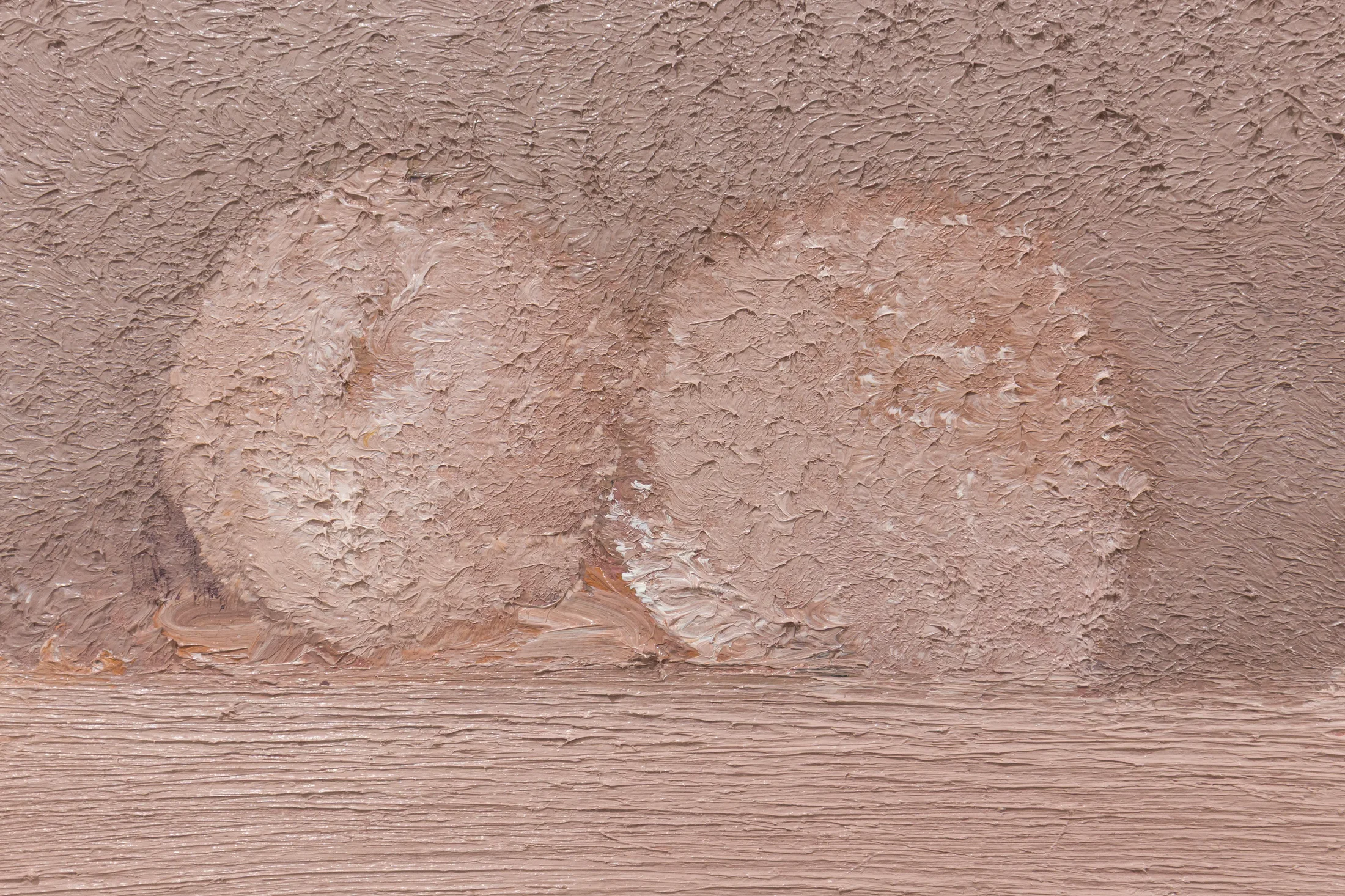
Marta Ravasi, Frutti, 2026, (detail image); Courtesy the artist and WORKPLACE, UK
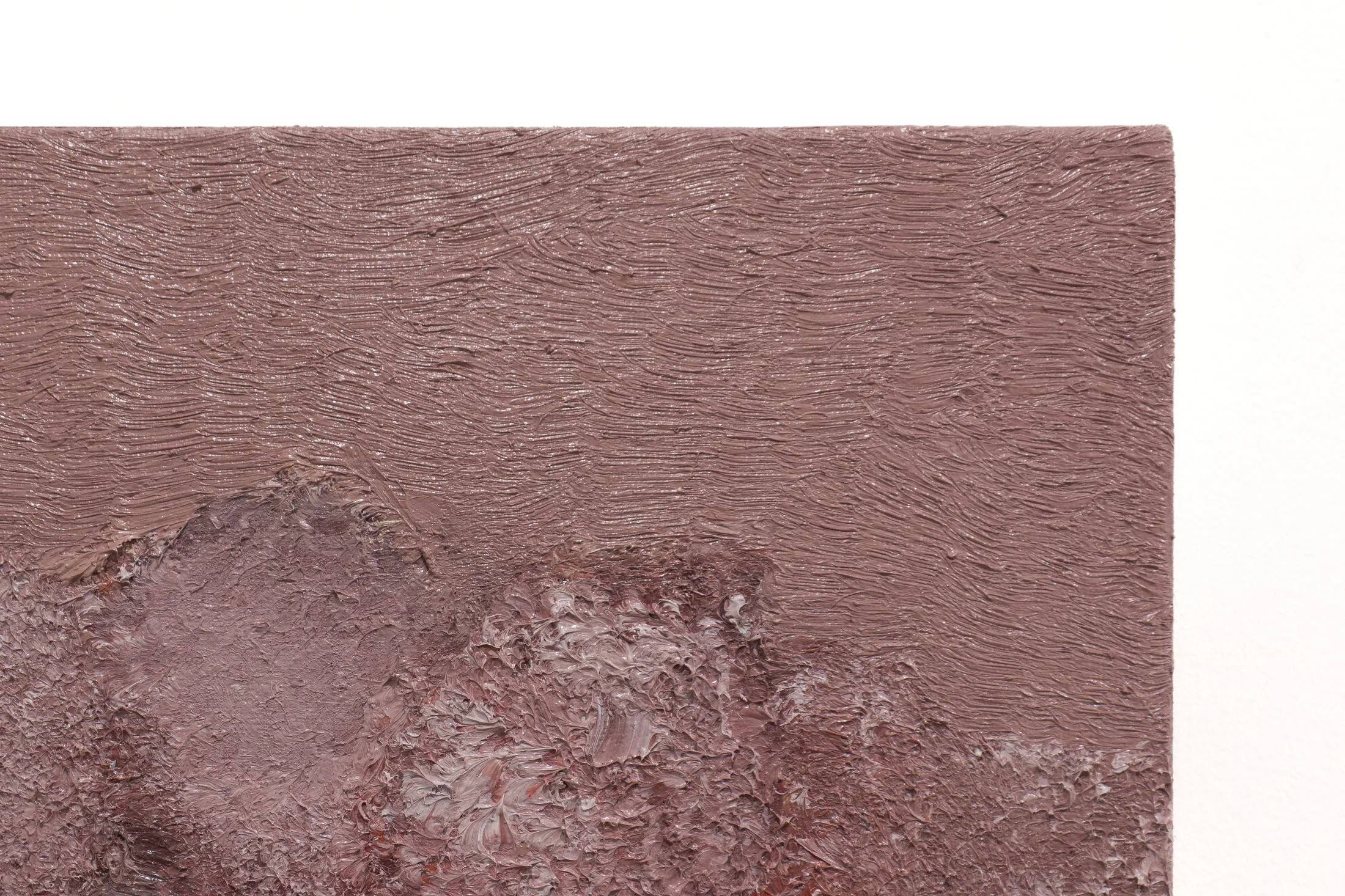
Marta Ravasi, Frutti, 2026, (detail image); Courtesy the artist and WORKPLACE, UK


Marta Ravasi
Workplace is pleased to launch the latest instalment of Focus, a series of online exhibitions in which the practice of artists at early stages of their career and new to the gallery programme are introduced through a body of work, curated specifically for each presentation.
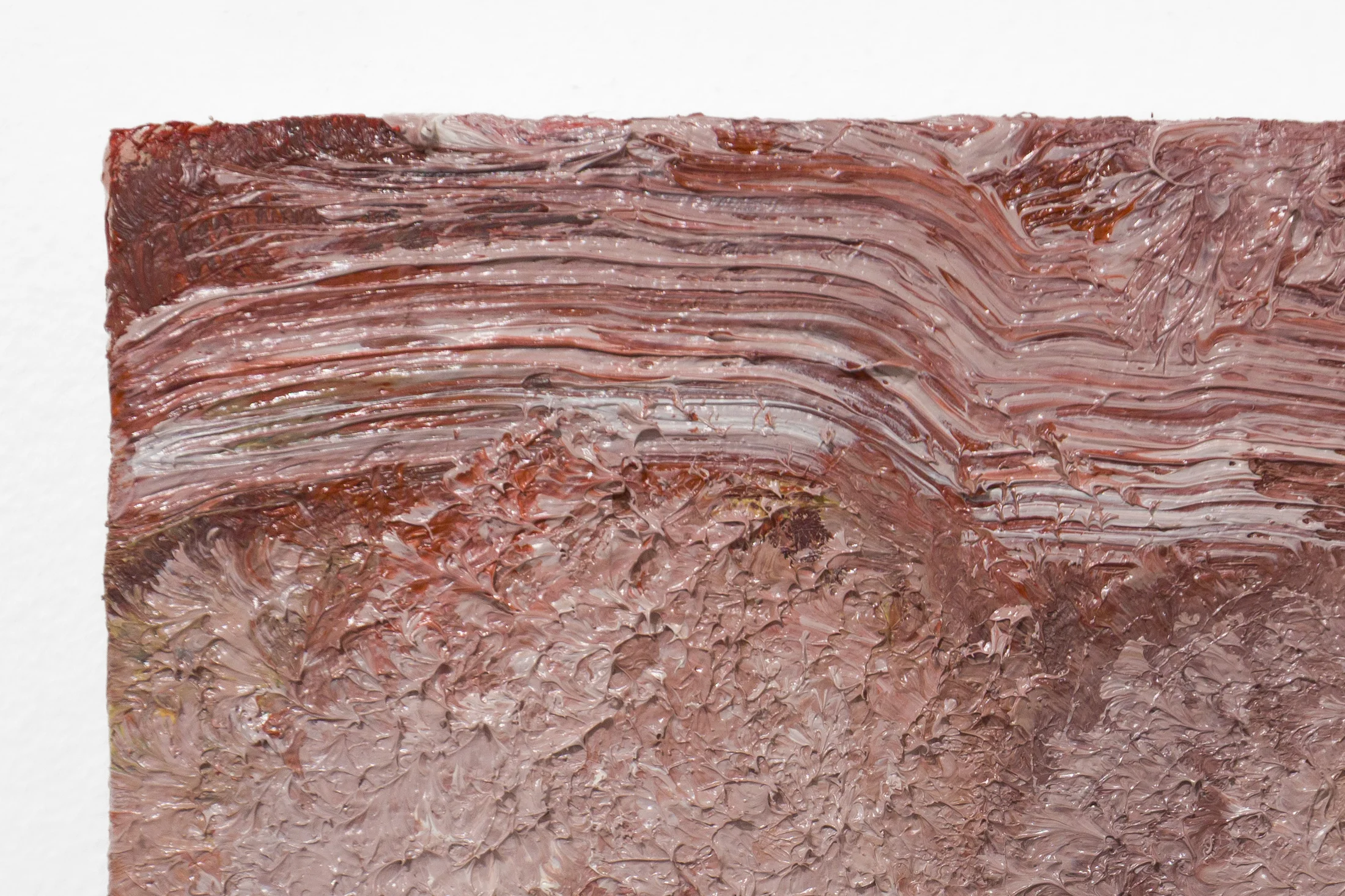
Marta Ravasi, Fruttini, 2026, (detail image); Courtesy the artist and WORKPLACE, UK
WG: Through their thick surfaces and materiality, your works occupy a space between painting and object. How important is this ambiguity in your practice.
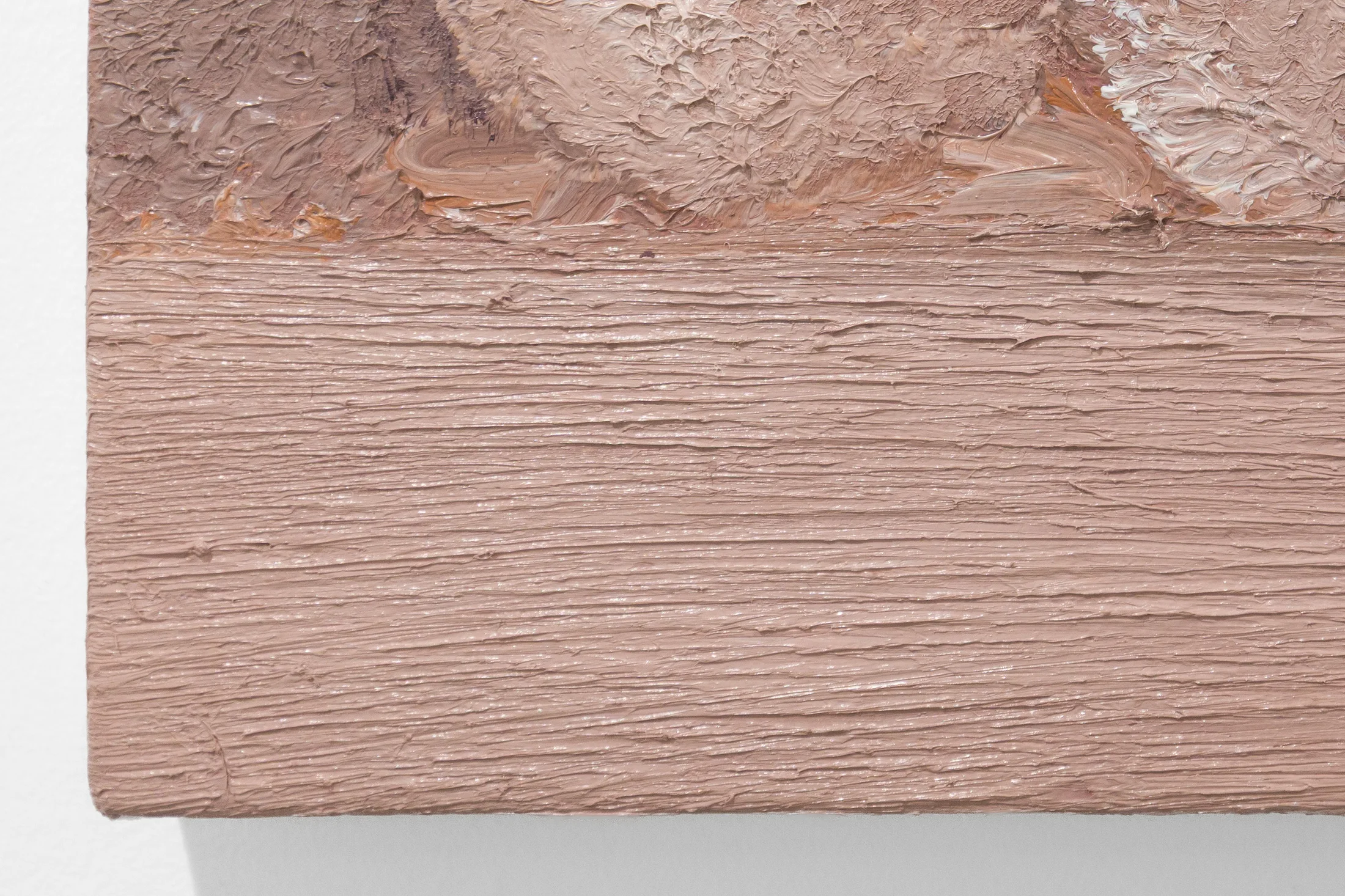
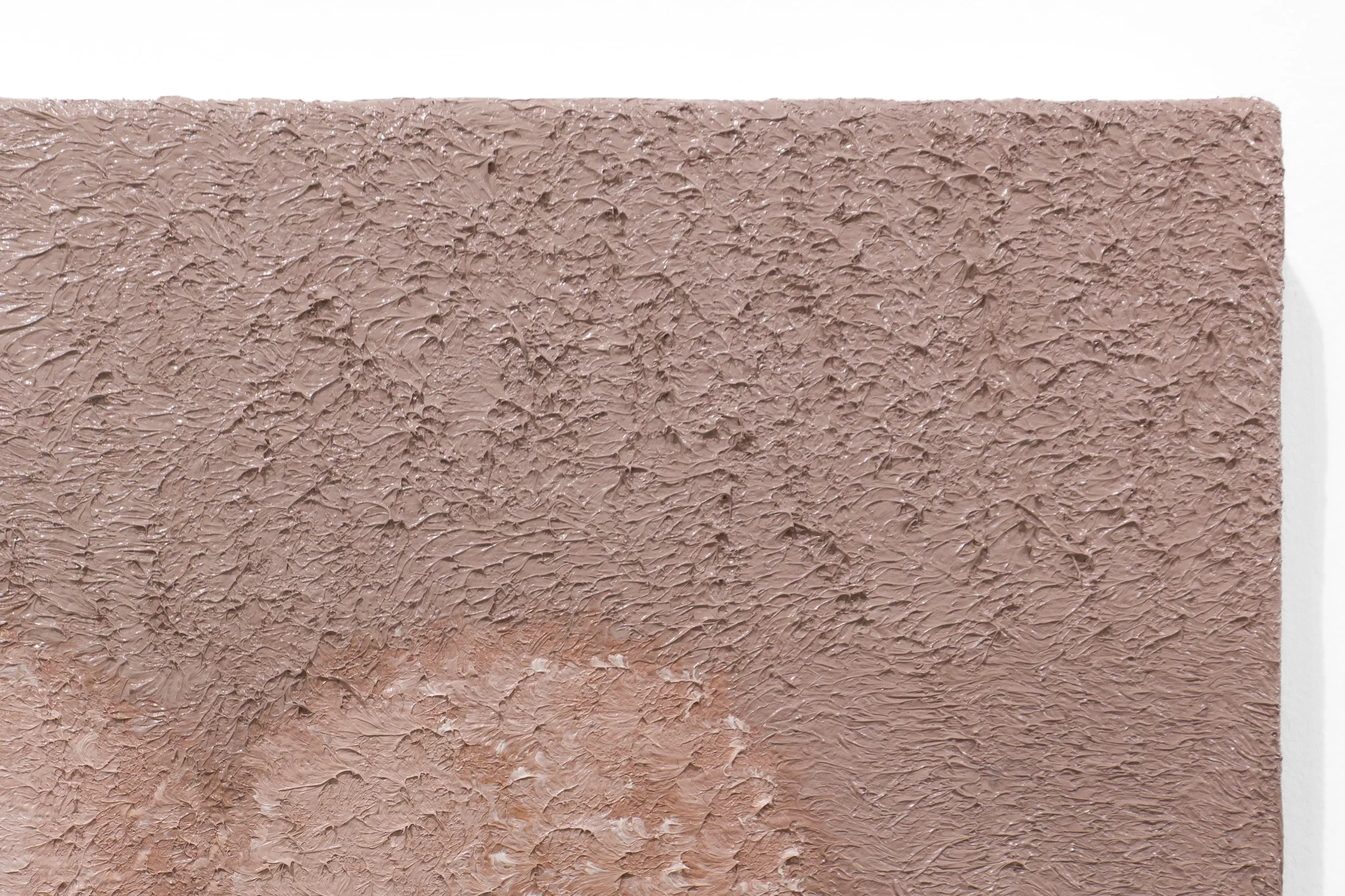
MR: As mentioned, scale and surface - along with other elements, such as the decision to paint on canvas rather than panel, which might otherwise seem a more suitable choice given the dimensions - reinforce the fact that we are looking at a painting. At the same time, they strengthen its sculptural quality, detonating the image and, in doing so, defusing it. Therefore, one moves from a luminous digital image, selected from many, to a visibly and profoundly handcrafted object: defined, compact, and three-dimensional. Within this ambiguity between painting and object, my research moves increasingly away from illustration.
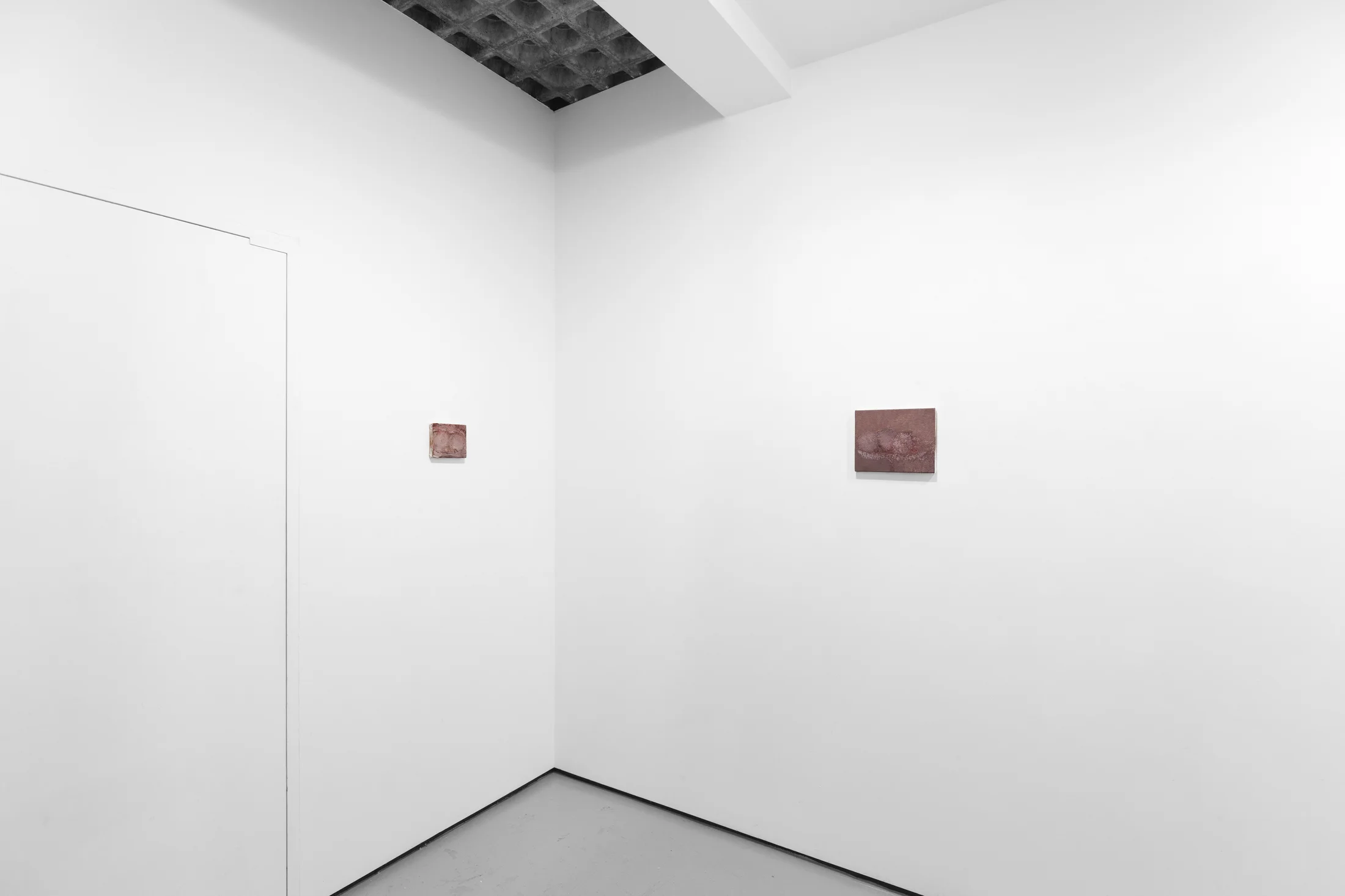
Installation view:
Marta Ravasi:
Focus,
WORKPLACE, London, United Kingdom.12 February - 14 March 2026
Marta Ravasi, Fruttini, 2026, (detail image); Courtesy the artist and WORKPLACE, UK
WG: By repeatedly revisiting the same subjects and introducing subtle variations, what are you able to uncover or achieve through the act of painting?
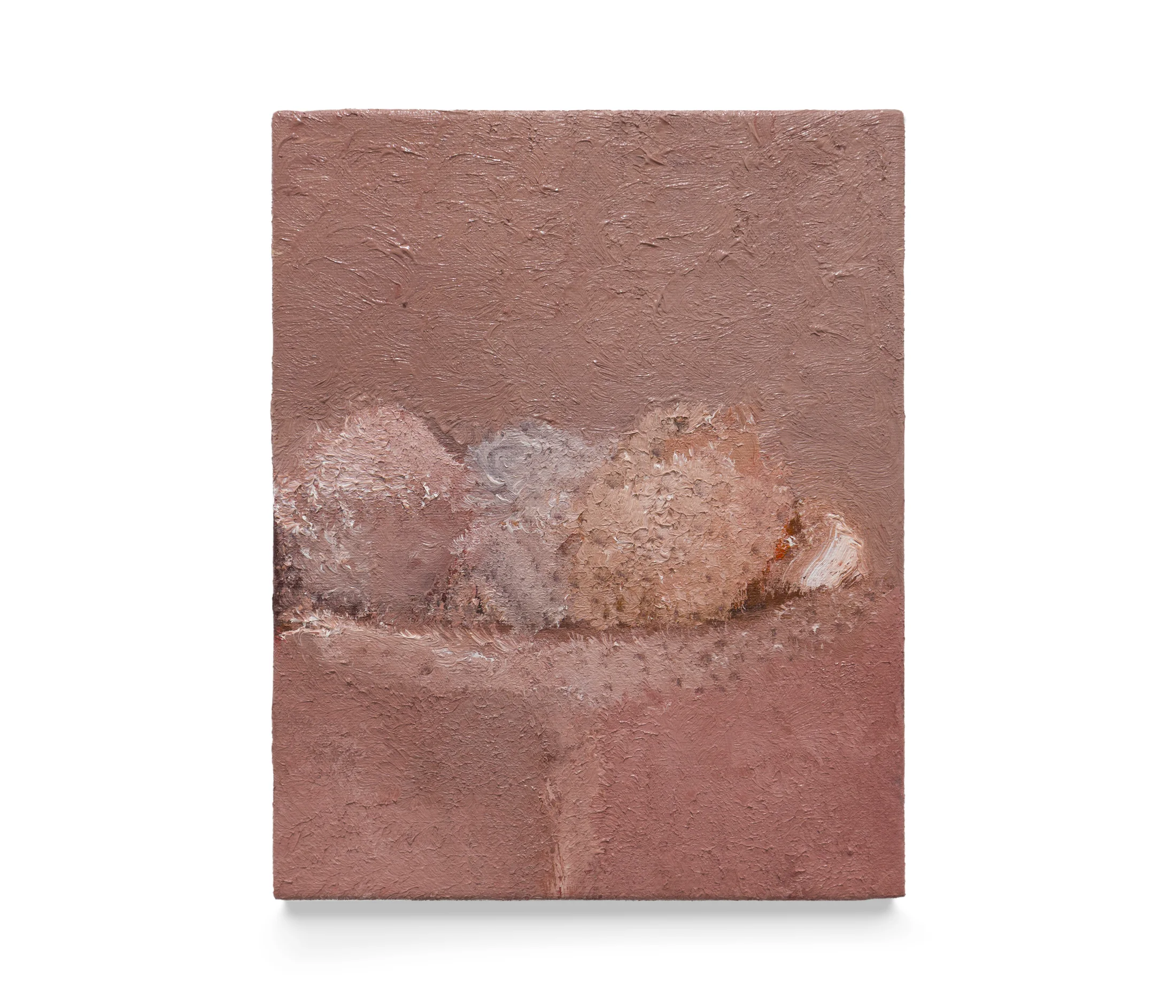
MR: The subjects recur, yet for me each painting is always different. There are ‘twin’ works which, upon closer inspection, reveal distinct characteristics; similarly, there are pieces in which the subject is shared but where, beyond variations in the application of the medium, the format or orientation of the canvas itself changes - as seen in Frutti and Frutti, Verticale, exhibited on this occasion. This shift bestows an entirely new character upon the work.
Rather than uncovering something specific, I seek to move forward, to proceed. It is an irregular path, and repetition, much like discipline, helps to sustain its progression.

Marta Ravasi
Marta Ravasi, Frutti, Verticale, 2026, (detail image); Courtesy the artist and WORKPLACE, UK

WG: Your paintings are marked by a distinctive use of colour – muted earth tones, dusty pinks, and warm ochres. What draws you to this palette and how does it relate to your process?
MR: The choice of colour is the direct result of a process of making without a predetermined approach, carried out directly on the canvas. Colours are applied and blended, kept in motion and moist until the very end. The earthy, composed tones emerge from this process: each decision influences the next and, in turn, shapes the choices that follow. Occasionally, a few square millimetres of pure colour appear - an intense orange or a red. Groups of works often share the same colour schemes, yet it is the tonality that shifts.
Installation view:
Marta Ravasi:
Focus,
WORKPLACE, London, United Kingdom.12 February - 14 March 2026
Workplace is pleased to launch the latest instalment of Focus, a series of online exhibitions in the which the practice of artists at early stages of their career and new to the gallery programme are introduced through a body of work, curated specifically for each presentation.
For this Focus we introduce the work of Marta Ravasi, an Italian artist living and working in Milan, Italy. She received her MA in Fine Art from Wimbledon College of Arts, UAL, London in 2012 and her BA in Painting from Accademia di Belle Arti di Brera, Milan in 2009.
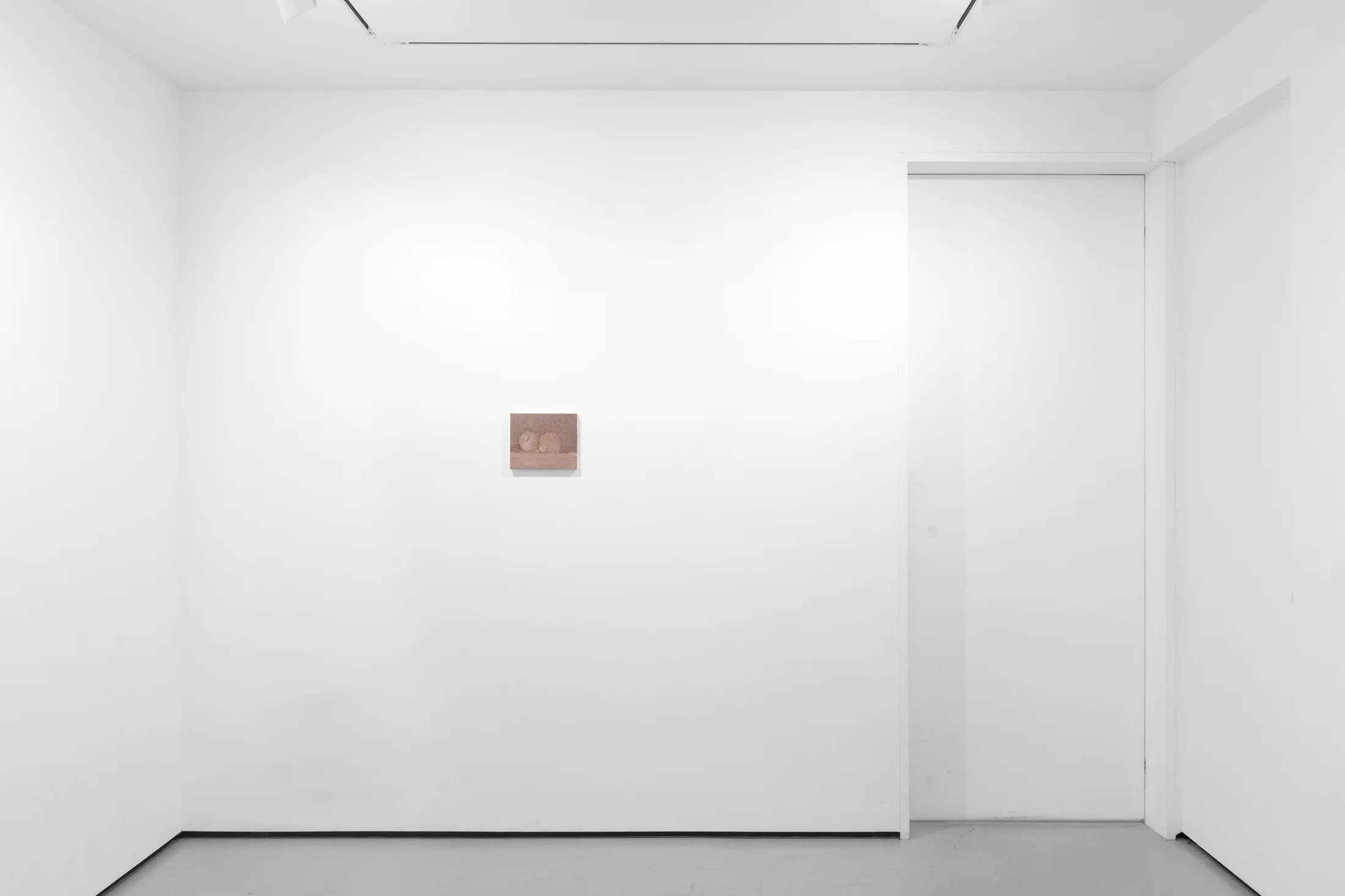
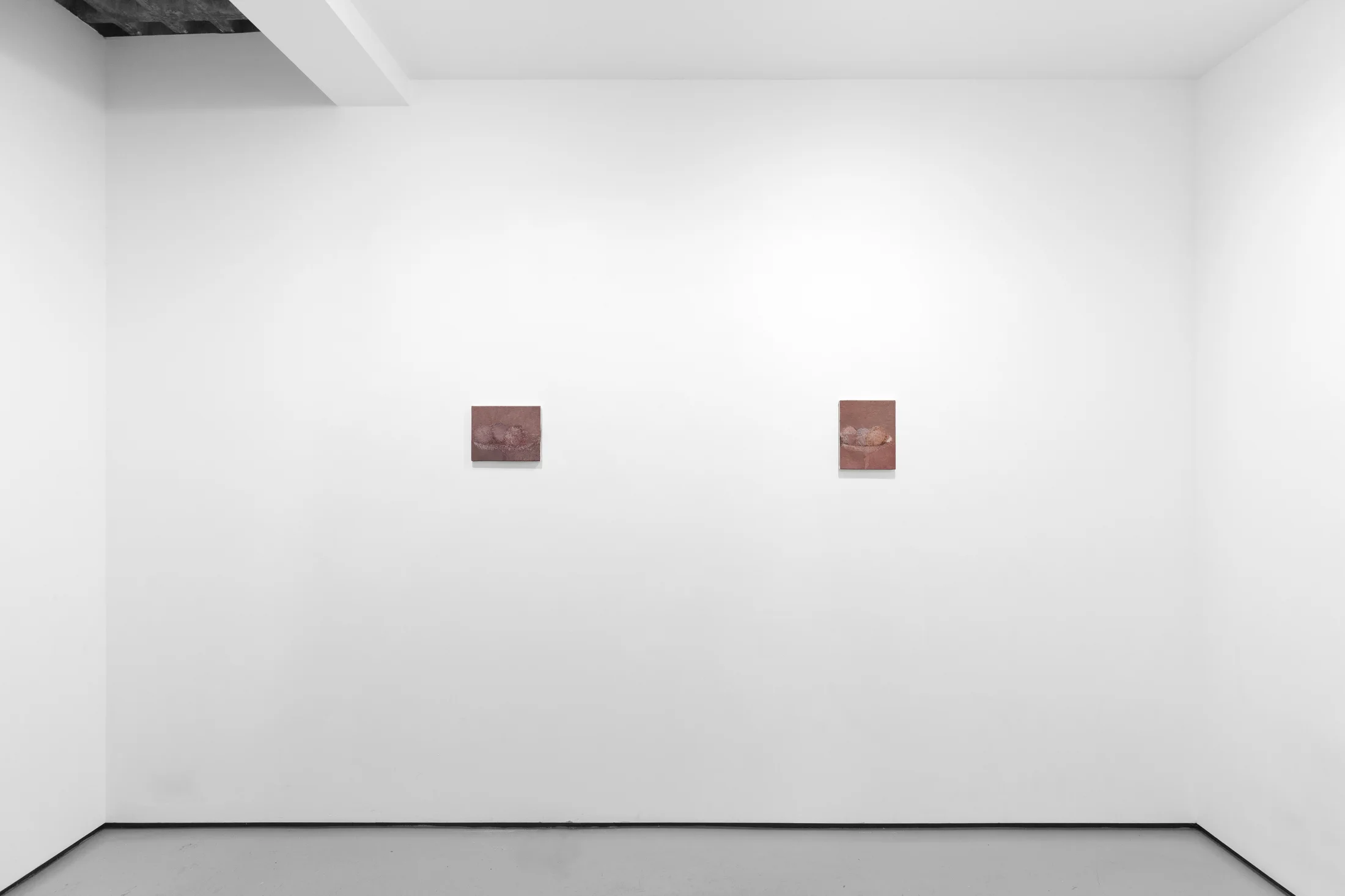
Installation view:
Marta Ravasi:
Focus,
WORKPLACE, London, United Kingdom.12 February - 14 March 2026
Marta Ravasi
WG: Still lifes carry a deep art historical legacy. In your practice, how do you balance this tradition with your interest in memory, in particular how certain sights can recall recent or distant experiences?
MR: I view still lifes as an open subject. I am aware of its historical weight and, in referring to it, I inevitably evoke a range of issues that I have not however explored directly from a theoretical perspective. My aim is precisely to find an opening. At this stage of my practice, while I have drawn upon the still life genre, I have also sought to lighten it, rendering it more modest.
Marta Ravasi, Due frutti, 2026, (detail image); Courtesy the artist and WORKPLACE, UK
Marta Ravasi, Due frutti, 2026, (detail image); Courtesy the artist and WORKPLACE, UK
Installation view:
Marta Ravasi:
Focus,
WORKPLACE, London, United Kingdom.12 February - 14 March 2026
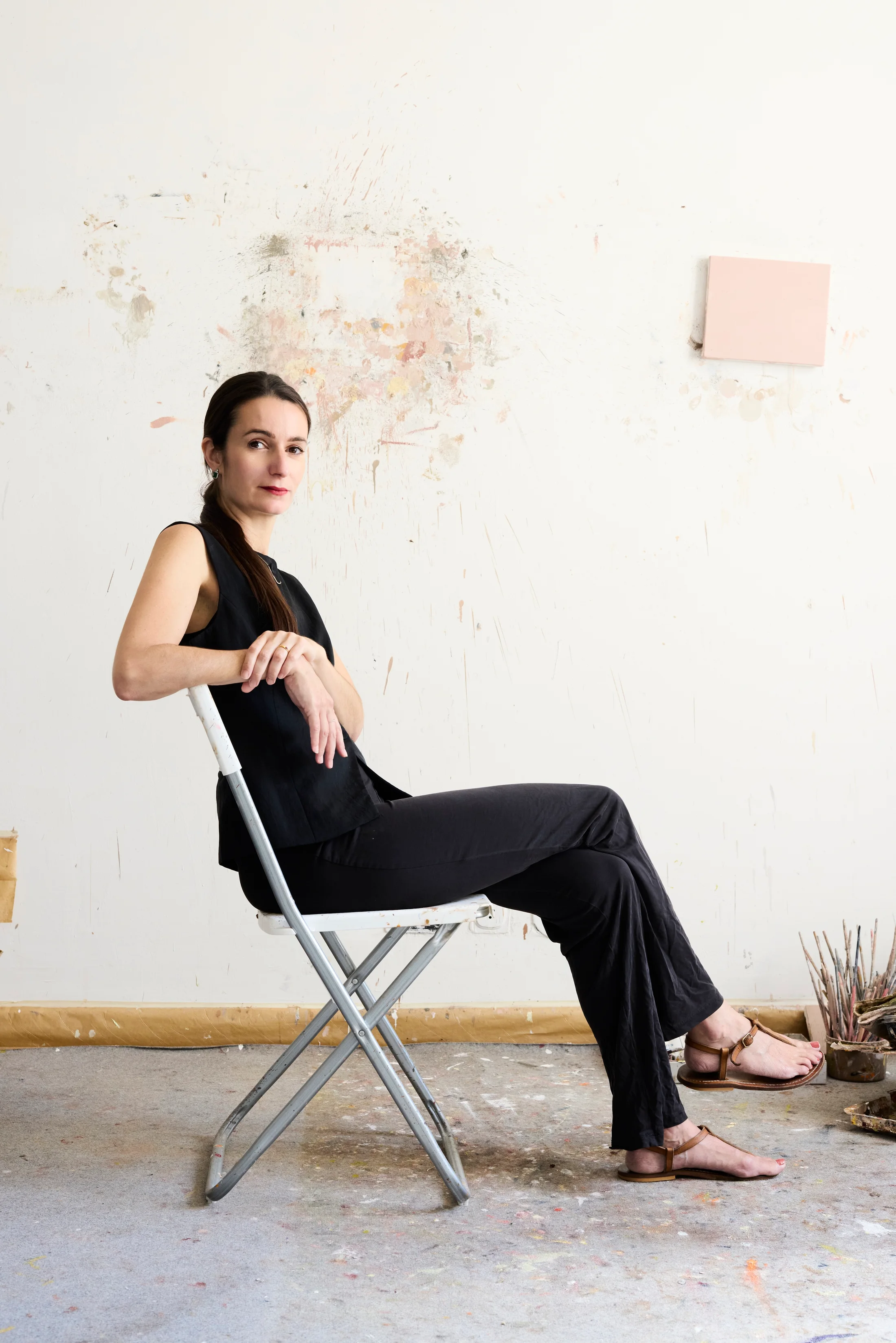
Marta Ravasi (b.1987, Lecco, Italy) lives and works in Milan. Ravasi received her MA in Fine Art from Wimbledon College of Arts, UAL, London in 2012 and her BA in Painting from Accademia di Belle Arti di Brera, Milan in 2009. She also studied at Hogeschool Sint Lukas in Brussels, Belgium in 2008. Recent solo exhibitions include Alla Prima, La Centrale, France; Fresca, Galerie Elsa Meunier, Dans Les Yeux d’Elsa, Paris, France (2025); Solo Geometry, Painter Painting Paintings, London, UK (2024); Marta Ravasi, Diez Gallery, Amsterdam, The Netherlands (2024); Bucce, Acappella, Naples, Italy (2023); Planet Caravan, Sonnenstube, Lugano, Switzerland (2021); Violette di Marte, Fanta Spazio, Milan, Italy (2017). Recent group exhibitions include Clipper Cuts, Brussels, Belgium (2025); NAR, Distance of the Rim, Tokyo, Japan (2025); Le cose che non sappiamo, Galleria Romero Paprocki, Paris, France (2025); Premio Cairo, Museo della Permanente, Milan, Italy (2024); Familiar, Gauli Zitter Gallery, Brussels, Belgium (2024); A.M.O Project, Laura Bartlett for Ambra Medda, London, UK (2023); Pittura Italiana Oggi, curated by Da- miano Gullì, Triennale, Milan, Italy (2023).