Nothing Stands Still For Long
6 February - 3 April 2026
Workplace, London
- Venue
- Workplace
- Date
- 6 February – 4 April 2026
London,
United Kingdom
Workplace is pleased to present Nothing Stands Still For Long, a group exhibition including works by Pearl Alcock, Tonico Lemos Auad, Lubaina Himid, Barbara Levittoux-Świderska, Marlow Moss, and Paul Thek.
Nothing Stands Still for Long marks the intervals between falling and rising, moments shaped by gravity: like the tide, a possibility of returning without ever being the same.
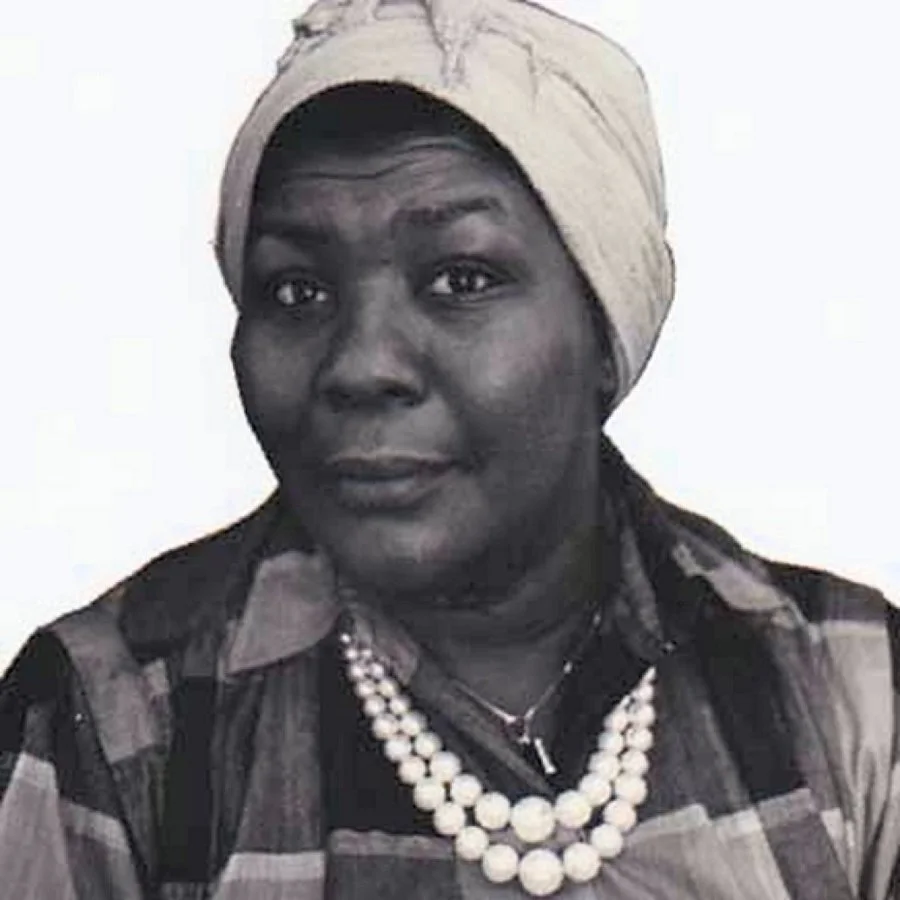
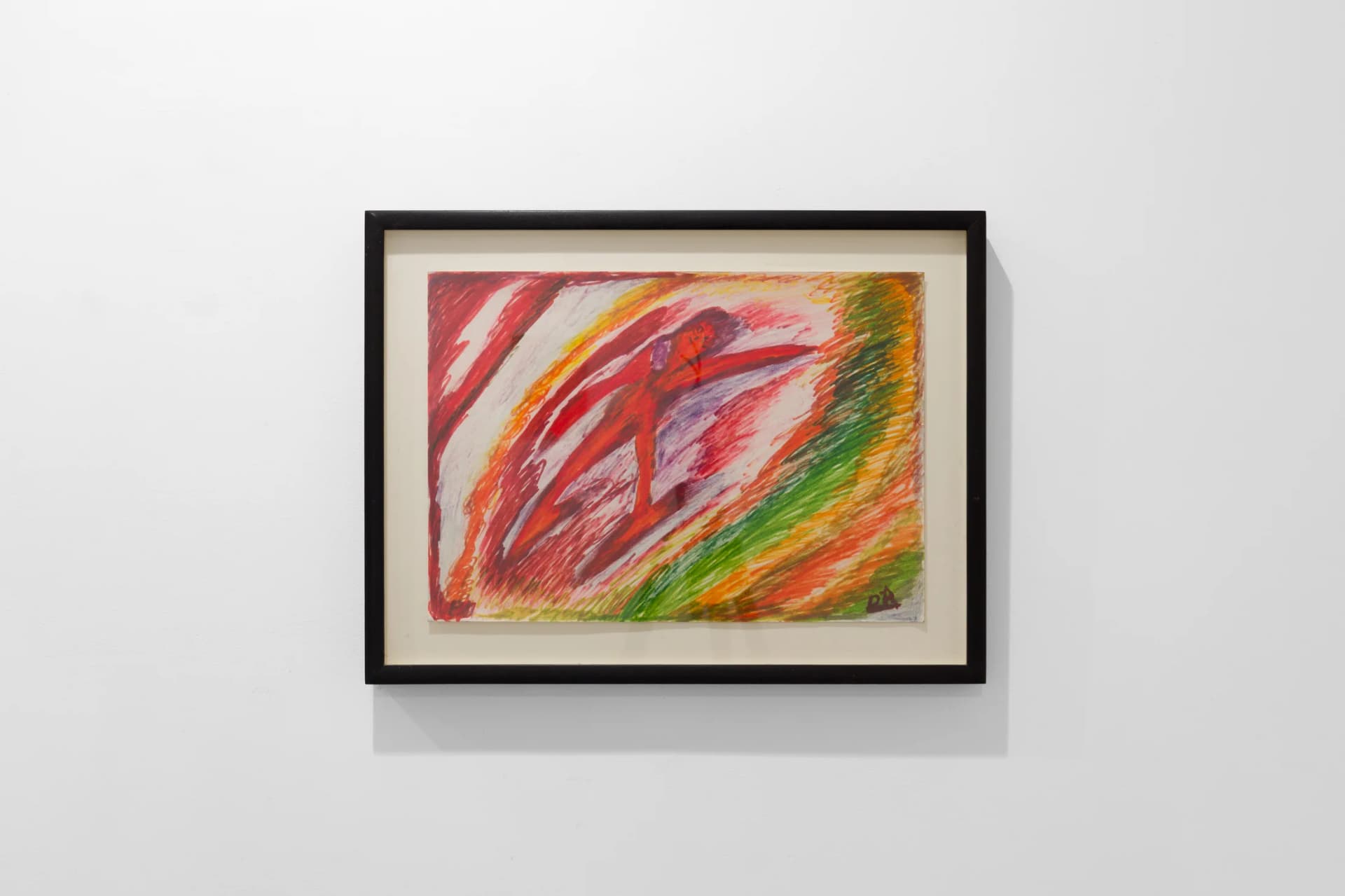
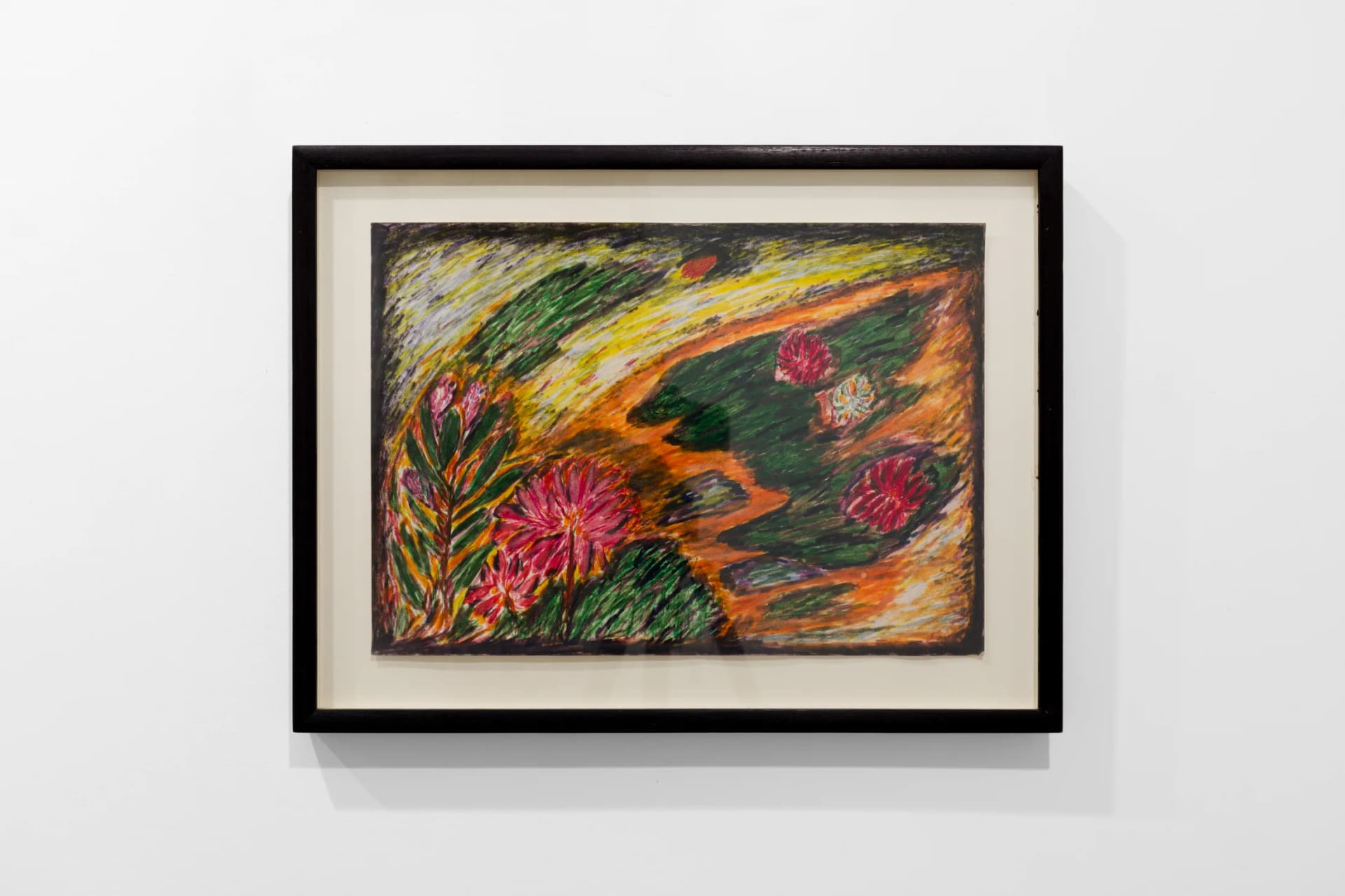
Pearl Alcock was an artist, club owner, businesswoman and community builder. Arriving in the UK from Jamaica in 1958 with £5 in her pocket as part of the Windrush generation, Alcock moved to Brixton to realise her dream of opening a boutique dress shop on Railton Road – an area famous for connecting with London’s LGBTQ+ community. A loved member of her neighbourhood, below her shop, she ran a shebeen – an illegal drinking club for her friends, and popular with the local black gay community, she later opened a café on the same street. Following the Brixton riots in the early 1980s, trade in the café ceased and Alcock was forced onto the dole. Unable to afford a birthday card for a friend, she made one instead. This simple act sparked an outpouring of creativity that lasted her entire lifetime, as she realised her ‘visions’ and ‘moods’ in the form of drawings and paintings. These abstract tangles of colour and texture caught the attention of Monika Kinley and Victor Musgrave who purchased a number of works for their collection of Outsider art. Alcock was an exceptional colourist who worked primarily with oil paint, pencils, crayons, felt tips and acrylics. Her paintings can be categorised as narrative portraits, usually without titles; flowers and more intuitive 'Mood Pictures', which are abstract and atmospheric. Birds, like yellow canaries are often recurring in her works. Sometimes she would paint or draw Caribbean landscapes entirely from memory. She usually painted at night as she loved silence, sitting in her chair and smoking roll-up cigarettes.
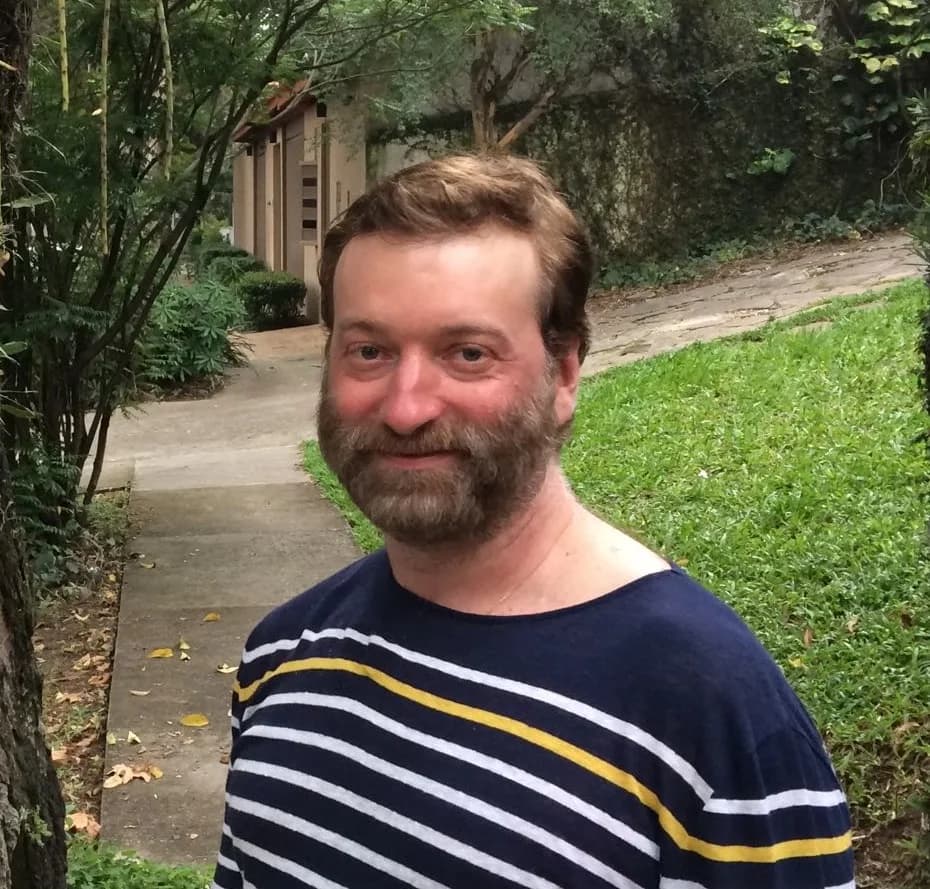
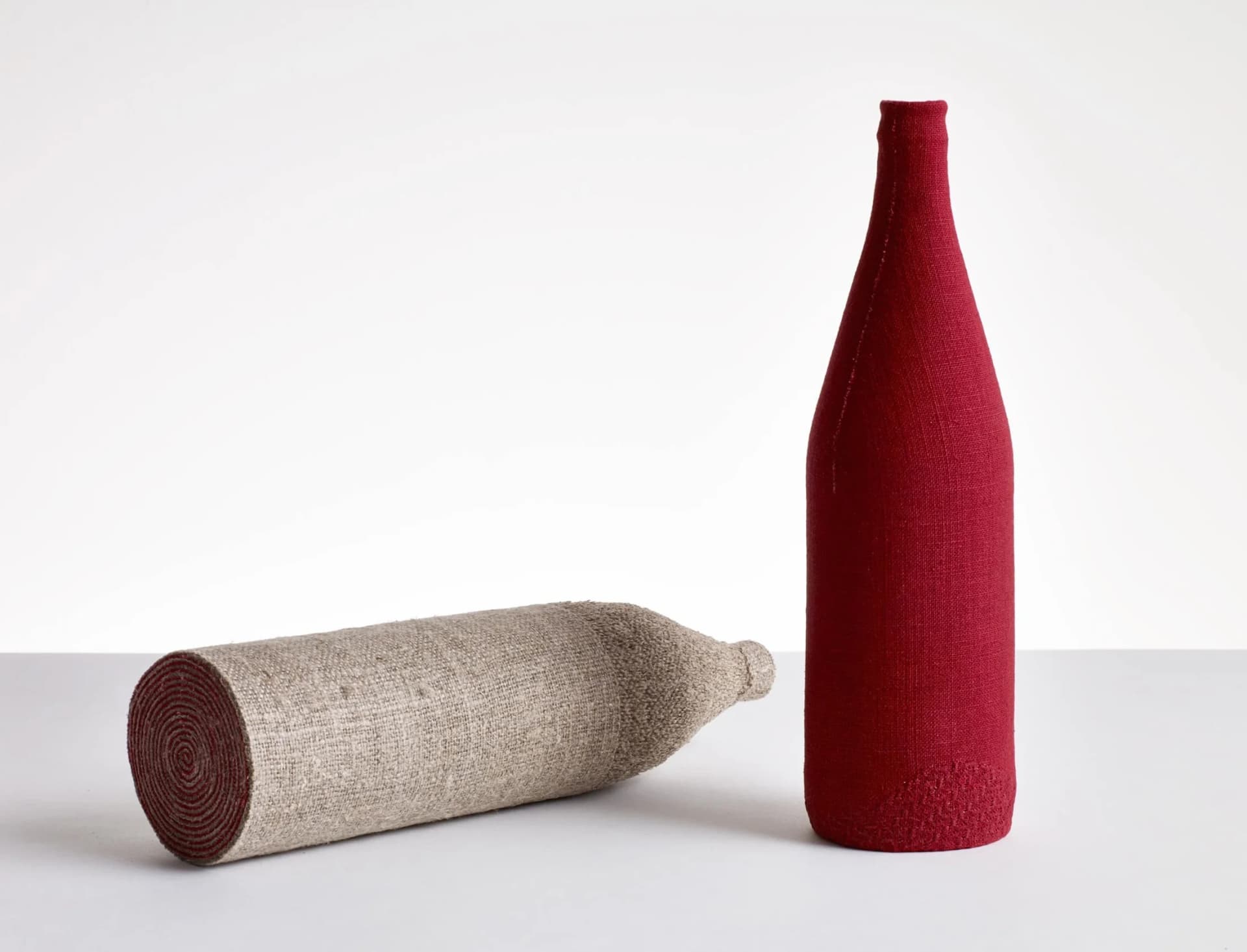
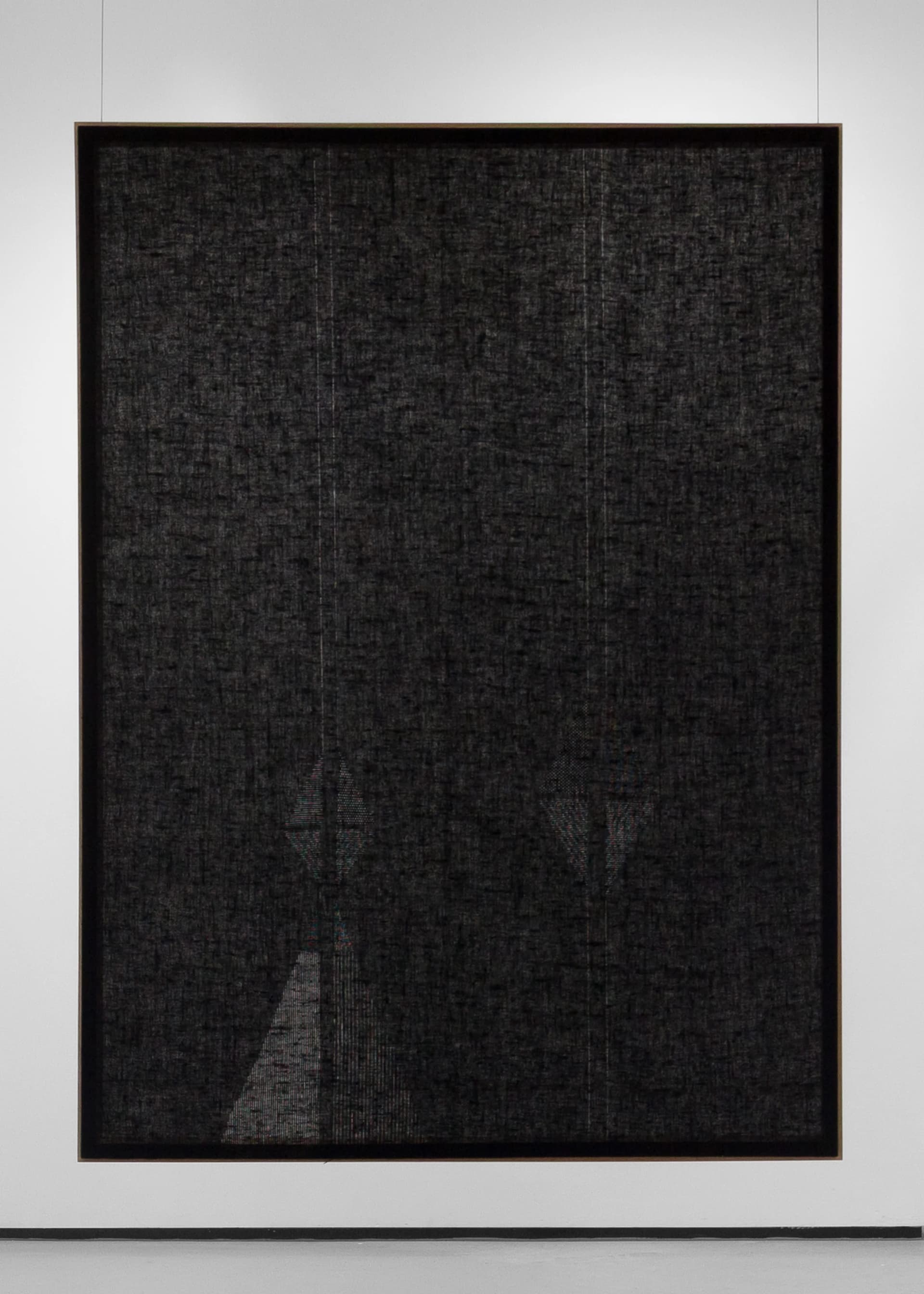
Tonico Lemos Auad explores physical manifestations of belief, specifically looking at the personal or cultural significance afforded objects in everyday life. Often encompassing notions of architecture and landscape, Auad’s unique way of working subverts traditional techniques associated with craft such as embroidery, woodcarving and stonemasonry, and recent works have employed processes of repair and reclamation of wood from historical sites. Auad is fascinated by the inherited surfaces of the wood he sources in particular the hollows, pits, and notches produced though drilling or chiselling functional joints which often come to resemble abstract drawings and gestures. To these pre-existing marks he makes subtle interventions through carving - delicately altering the surface and complicating the distinction between found and fabricated, inviting the viewer to question whether they are inherited traces or the result of his own hand. In recent years, different modes of textile production such as knitting, crochet, needle work and weaving have featured in Auad’s practice. His textiles are defined by the process of their making, slowly revealing each individual stitch, crocheted loop and interwoven thread.
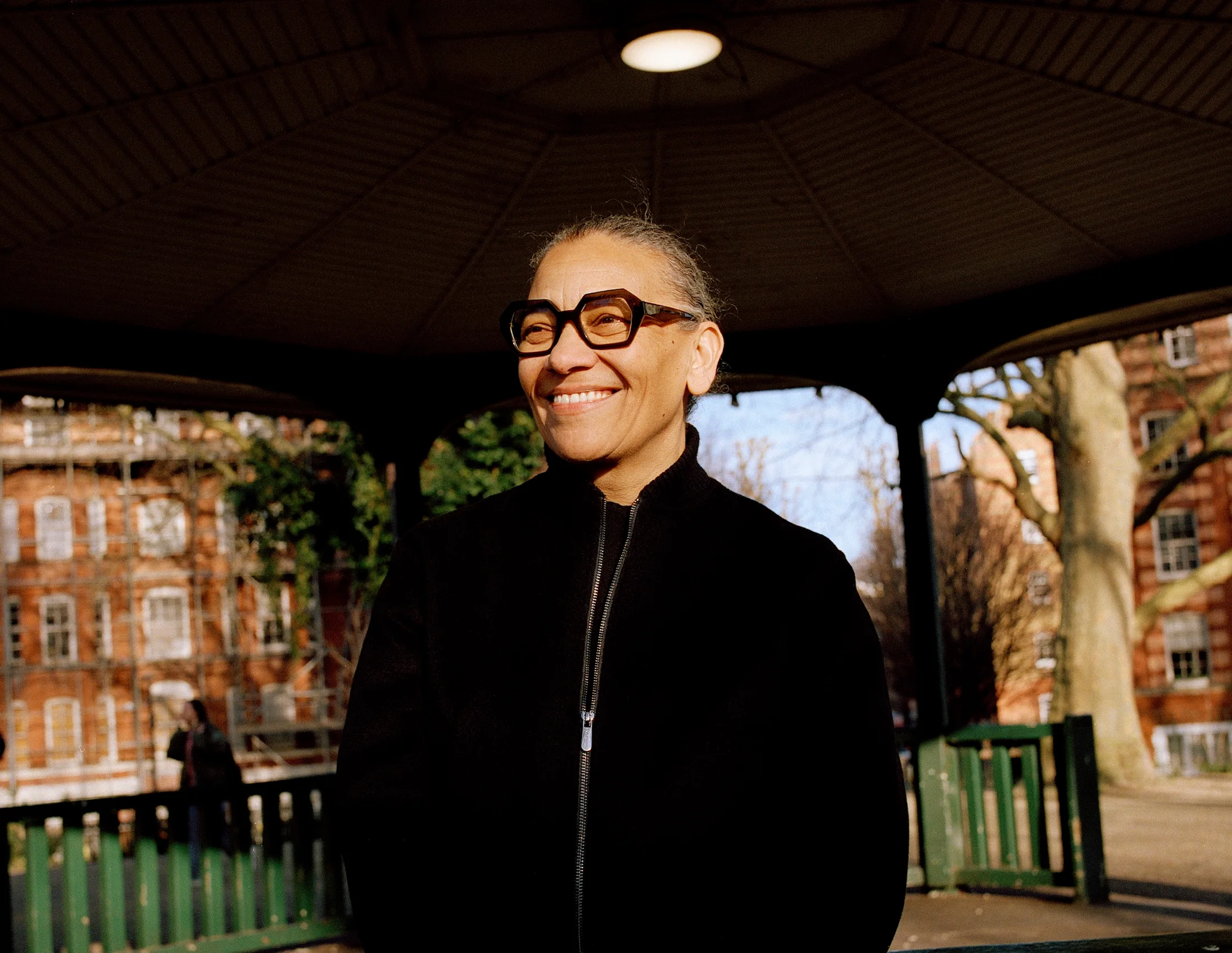
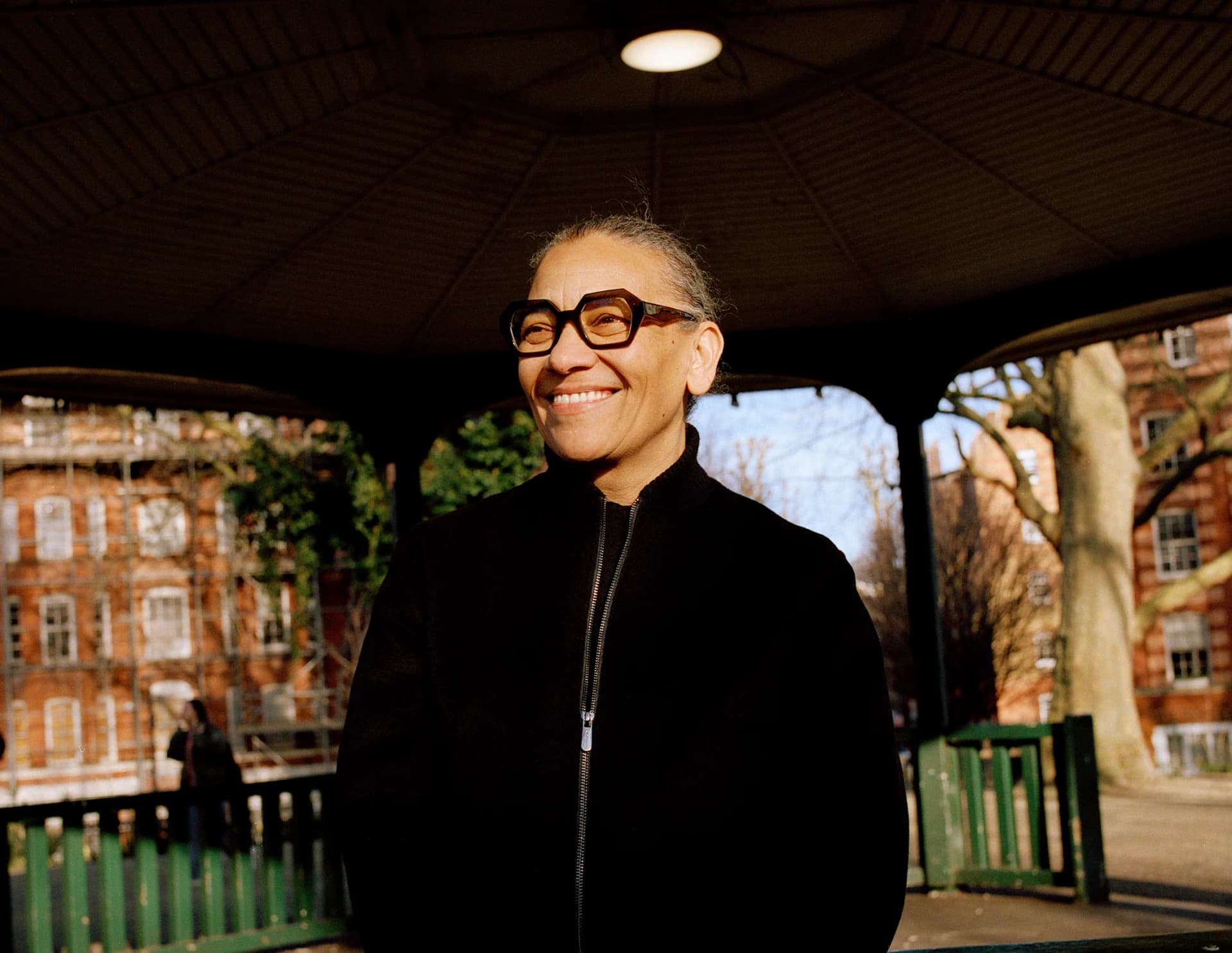
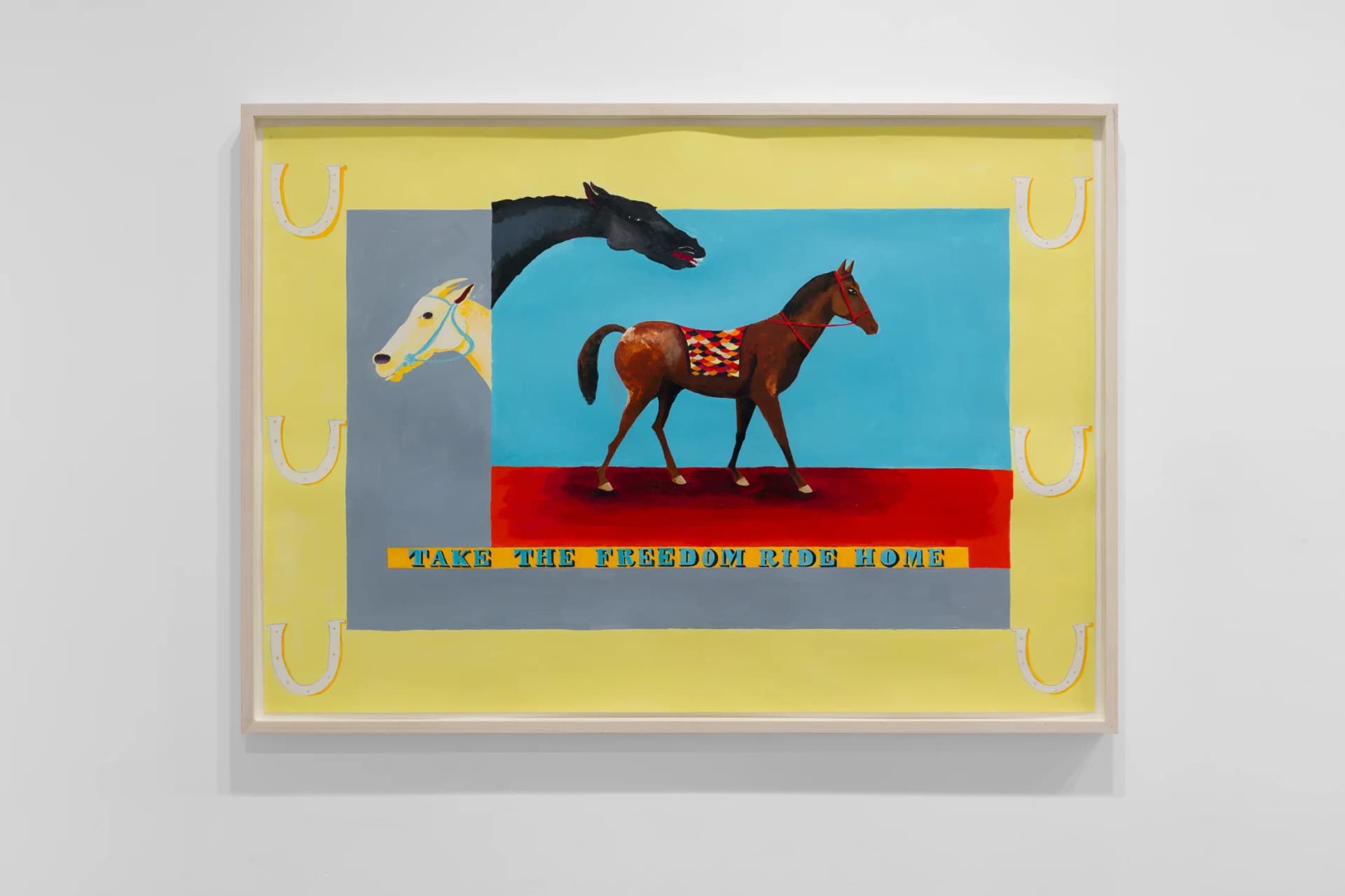
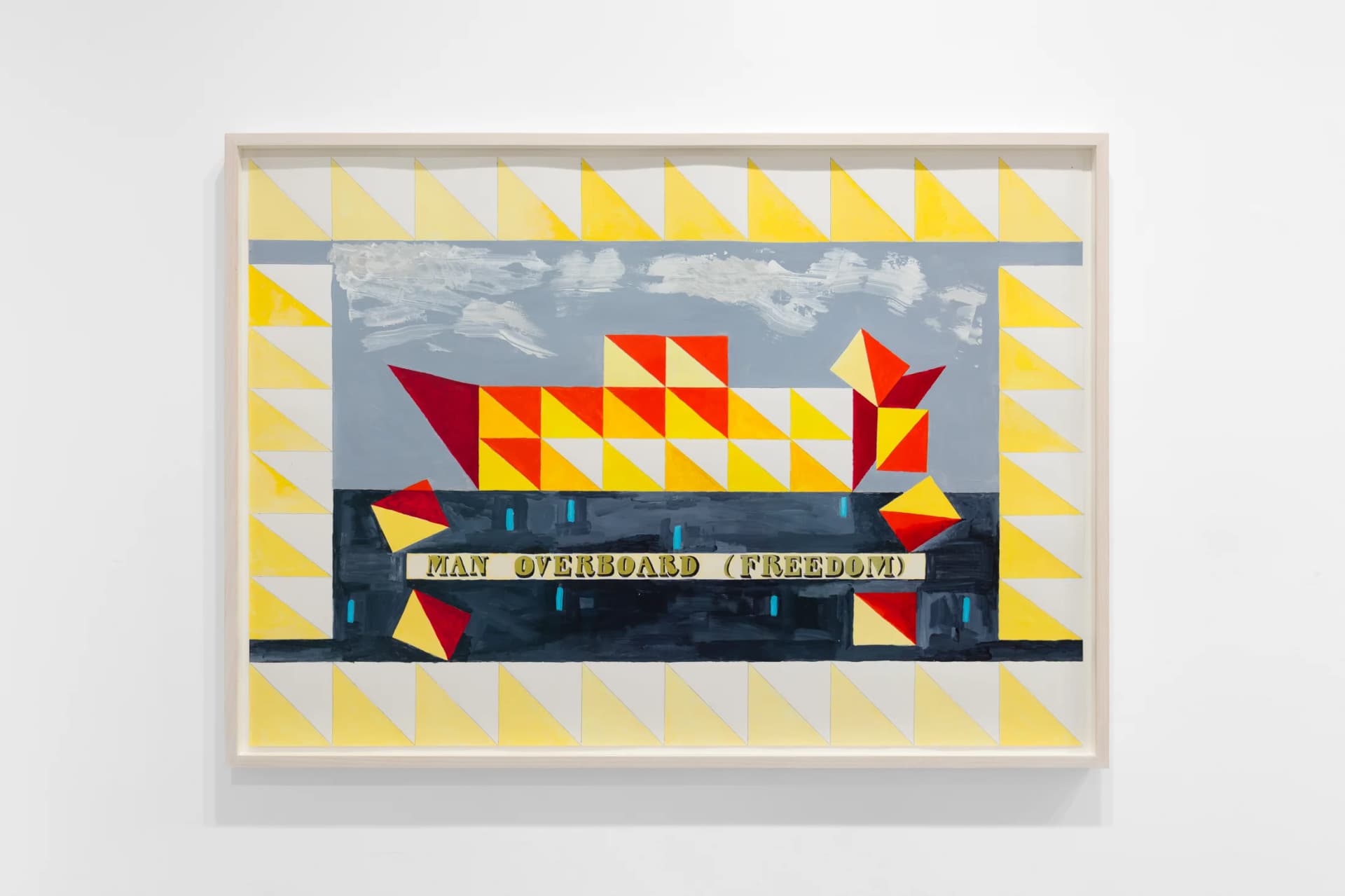
For more than four decades, Lubaina Himid has created paintings, drawings and installations that uncover and celebrate marginalised histories, figures, and cultural expressions. Her work frequently redresses the art historical canon as a means to probe the (in)visibility of the Black body in the Western pictorial tradition. Countering such selective histories and narratives, Himid’s work presents stories, characters and voices through vibrant colours and forms, rich imagery, and diverse references from poetry. Presented in Nothing Stands Still For Long are two of her seminal kanga works, Man overboard (Freedom) and Take The Freedom Ride Home. On her first visit to Zanzibar, Himid was captivated by kangas – patterned fabric wraps that usually feature a patterned border, centred panel and a piece of bold text. Executed on paper rather than traditional textile, Himid’s work’s engage with an array of intersecting concerns including the decline of Britain’s textile industry, as well as notions of identity and personal expression, since kangas are most often associated with women’s dress. Embedded within the works are further layers of meaning centred on stories of migration, loss and impermanence.
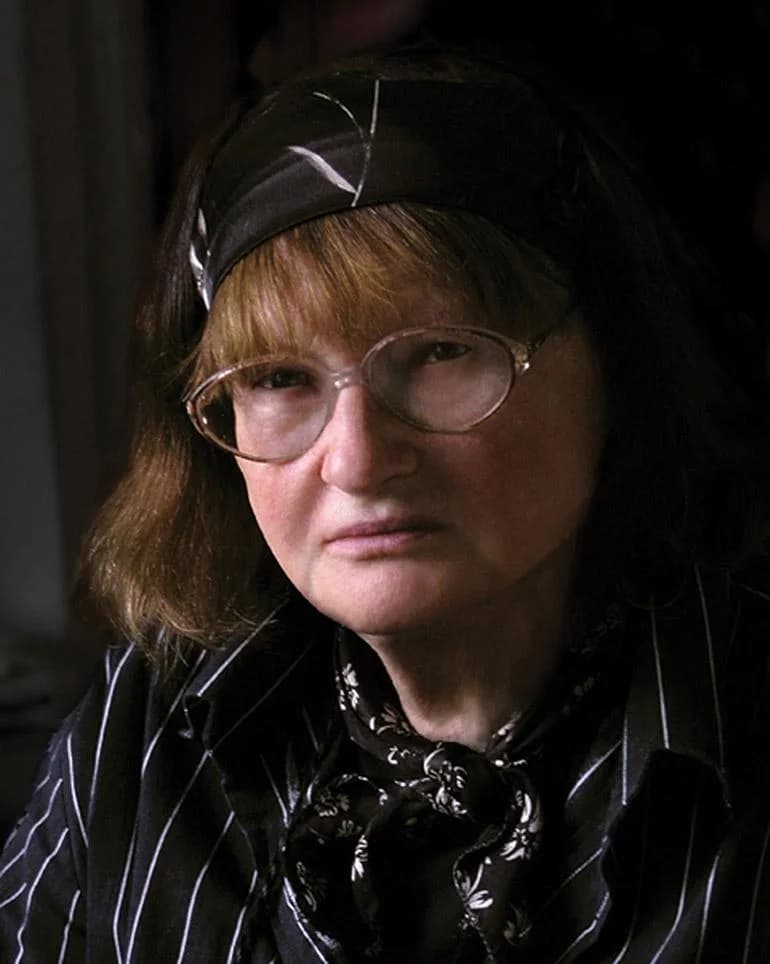
Barbara Levittoux-Świderska, one of the most important textile artists in Poland, didn’t just break tradition but created radical new directions in contemporary art through her distinctly Polish and politically charged weaving practice, transforming tapestry from flat decoration to avant-garde installation. She trained with the Polish Textile School and became part of a network of artists who used locally sourced materials and rural practices to improvise new art-making methods and forms. Levittoux-Świderska quickly became an important figure in a post-war generation of artists who, responding to repressive ideological shifts within Poland, changed the perception and direction of textile art in Europe. While her early practice focused mostly on paintings, depictions of simple, everyday objects juxtaposed with geometric solids and clean, minimalist lines, Levittoux-Świderska shifted almost completely towards the creation of textile art by the 1970s. Coinciding with the wider Polish textile tradition, Levittoux-Świderska utilized materials close at hand, like pine needs or birch bark, nestled next to yarn, cotton and fabric. She wove or glued these natural fibres together with man-made ones, such as wire, plastic or industrial scraps, to create two-dimensional textiles that were minimal, intimate and emphasised the spatial relations between objects. The netting-like structures - imperfect shapes characterized by seemingly erratic, densely formed and dramatically entangled arrangements - portray a sense of 'emptiness,' revealing the skeleton of the weave and the 'thinking' behind the patterns.
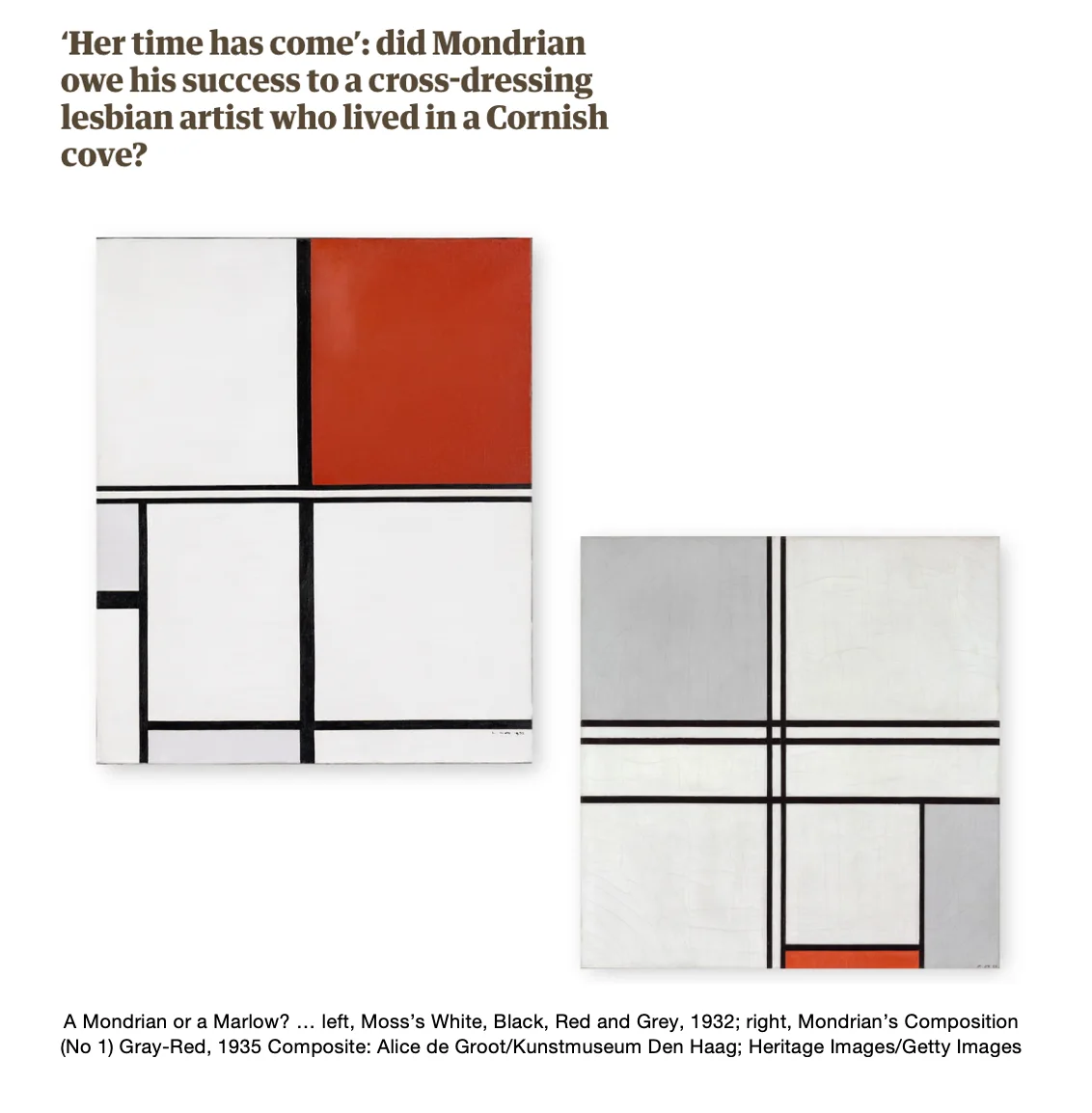
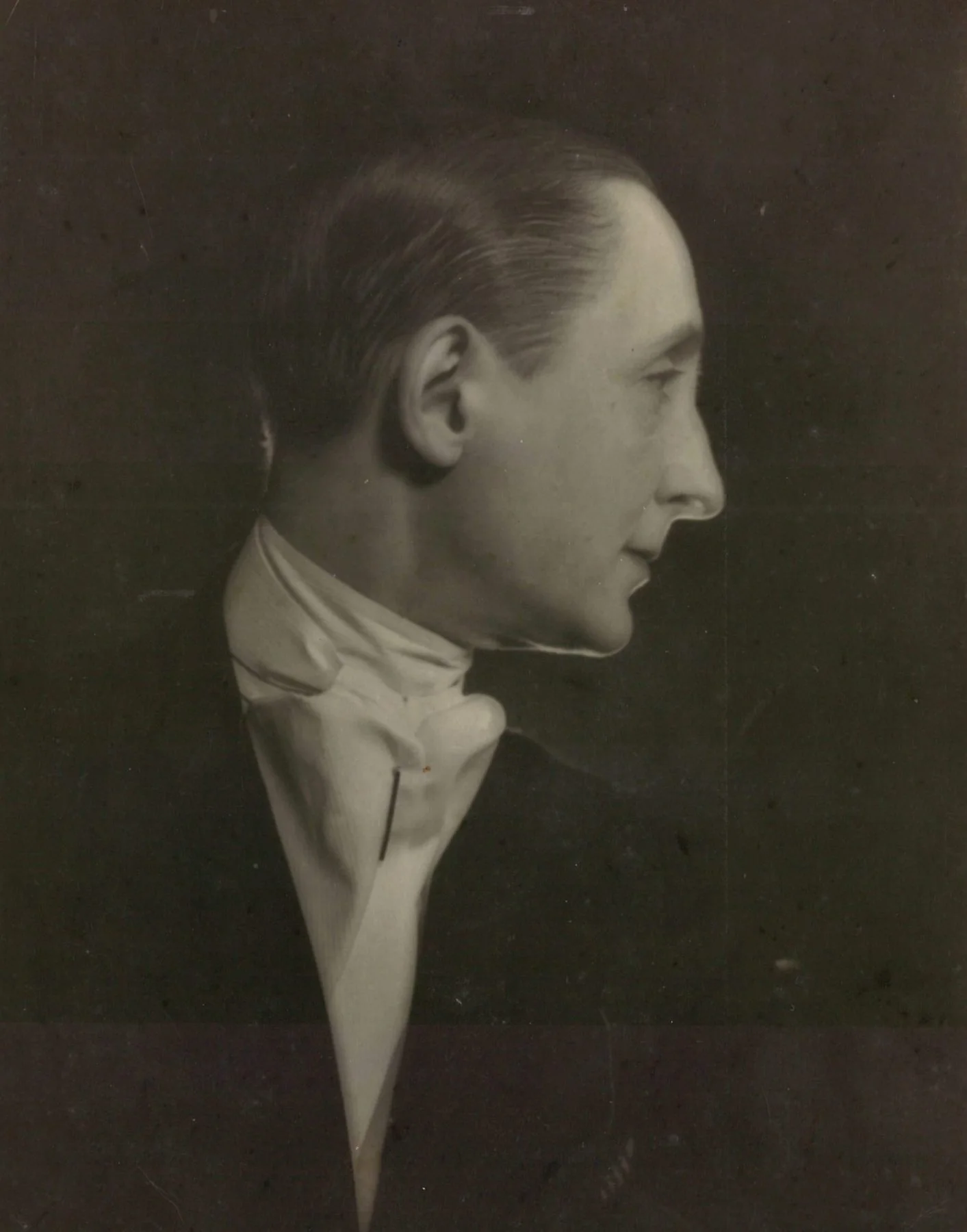
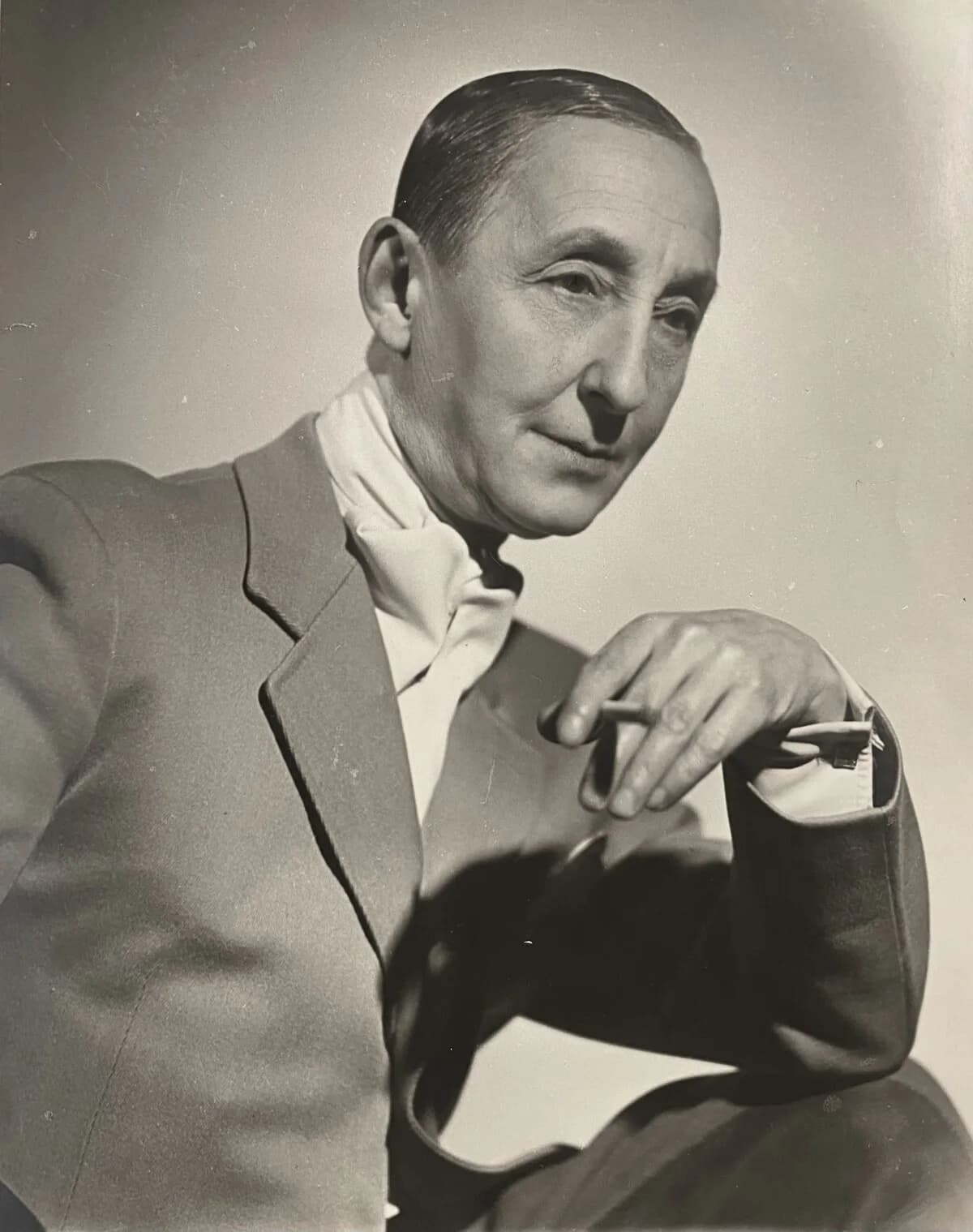
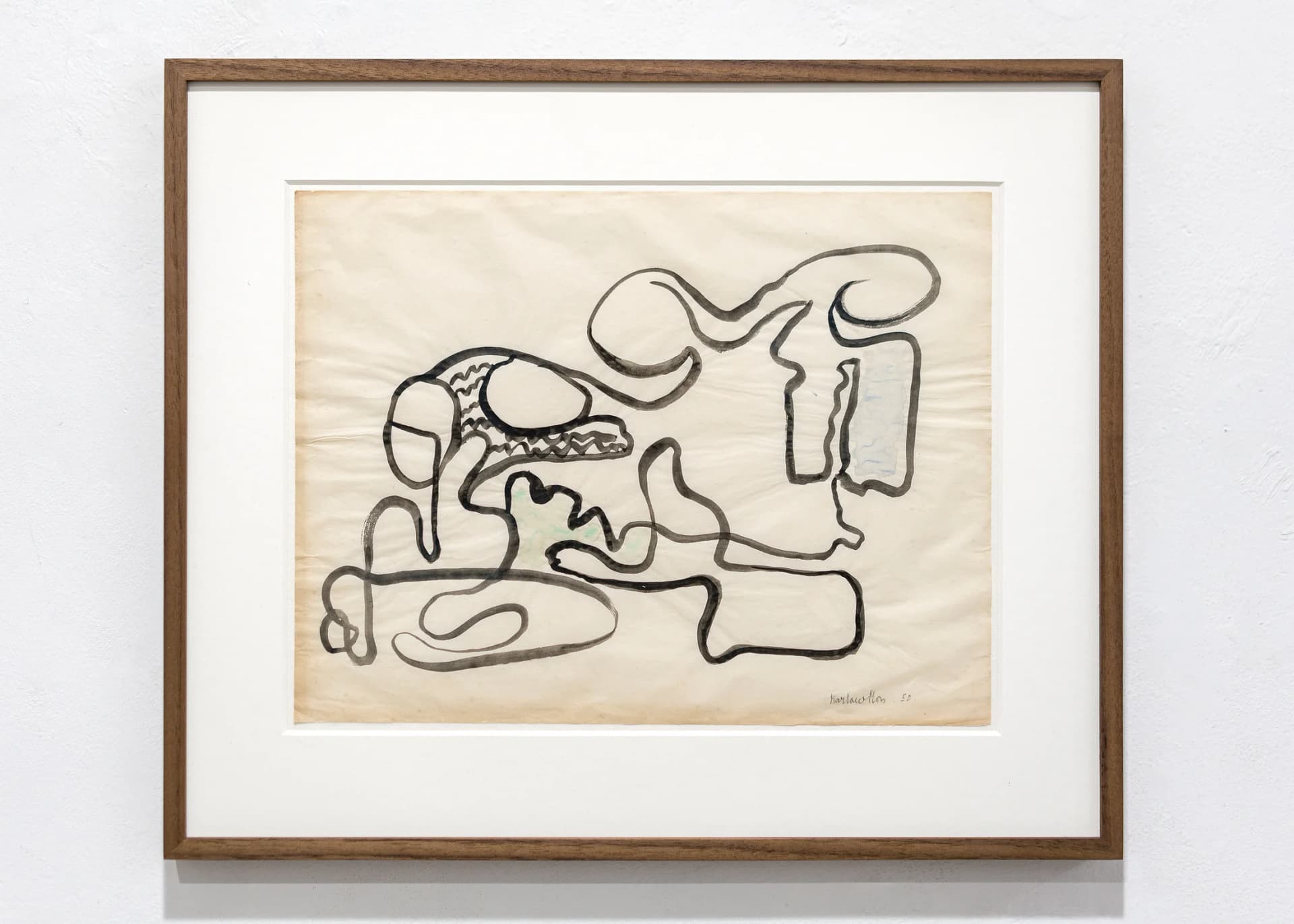
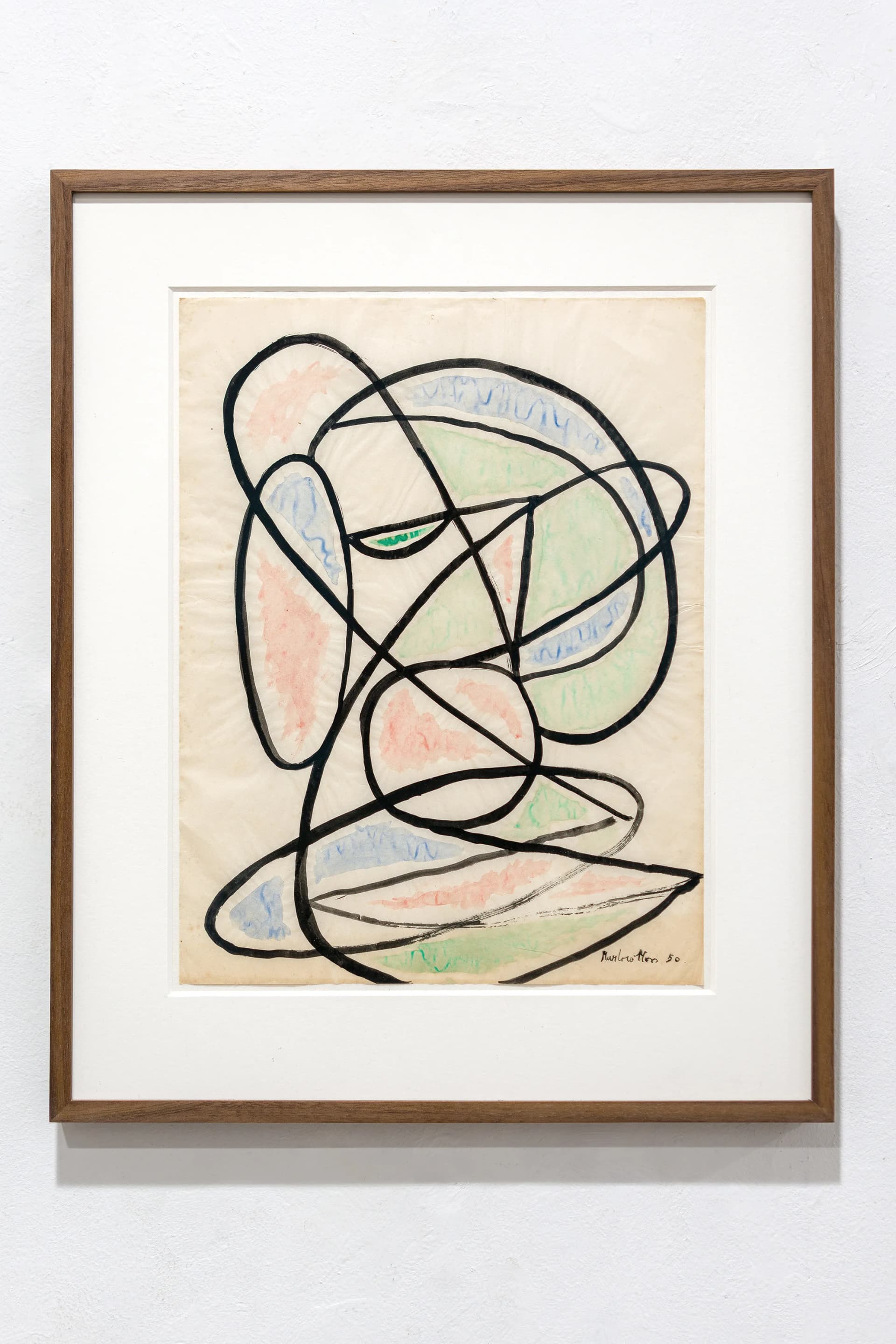
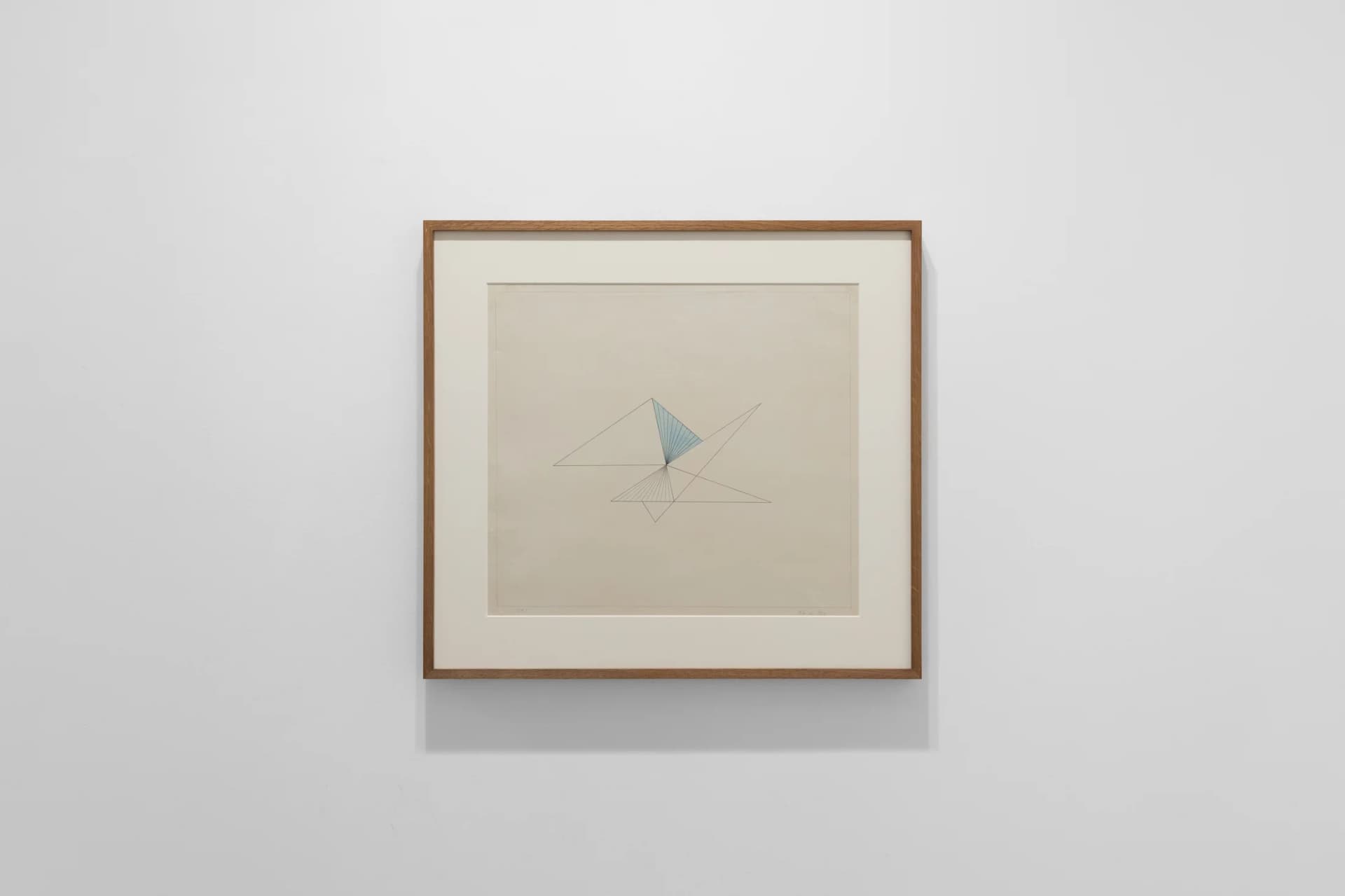
Marlow Moss is a figure of great significance to the histories of modern art, and to the LGBTQ+ community, whose contributions to European abstraction have long been overshadowed by those of her male contemporaries. A pioneering British Constructivist, Moss was central to the development of geometric abstraction and played a formative role within international modernist networks. She followed the concepts of De Stijl and Neoplasticism; the reduction to the essentials of form and composition through horizontal lines and primary colours, but it was Mondrian that influenced Moss the most profoundly. They became friends, exchanging Constructivist ideas and influencing each other; Mondrian and Gorin took up using her innovative ‘double line’ motif. The difference being that Mondrian constructed his compositions intuitively, while Moss constructed them using a mathematical approach. Untitled (Free forms) (1950) is one of a series of automatic drawings in gouache that are somewhat of a departure from her distinctive style. Rendered with quick gestural marks the drawings connect directly to her sculptures which feature ovoid forms and dynamic curves produced in wire which both relate to nature and her pursuit of ‘space, movement and light’. Though Untitled (1945) is typical of Moss’s study of geometric forms of this period, it similarly relates to her constructions and work in sculpture, as Moss wrote: “These drawings are constructed on a very simple principle - a geometrical figure - sometimes broken, sometimes cut, sometimes divided, sometimes sub-divided - until the relation of the lines to each other produce an aesthetic emotion.”
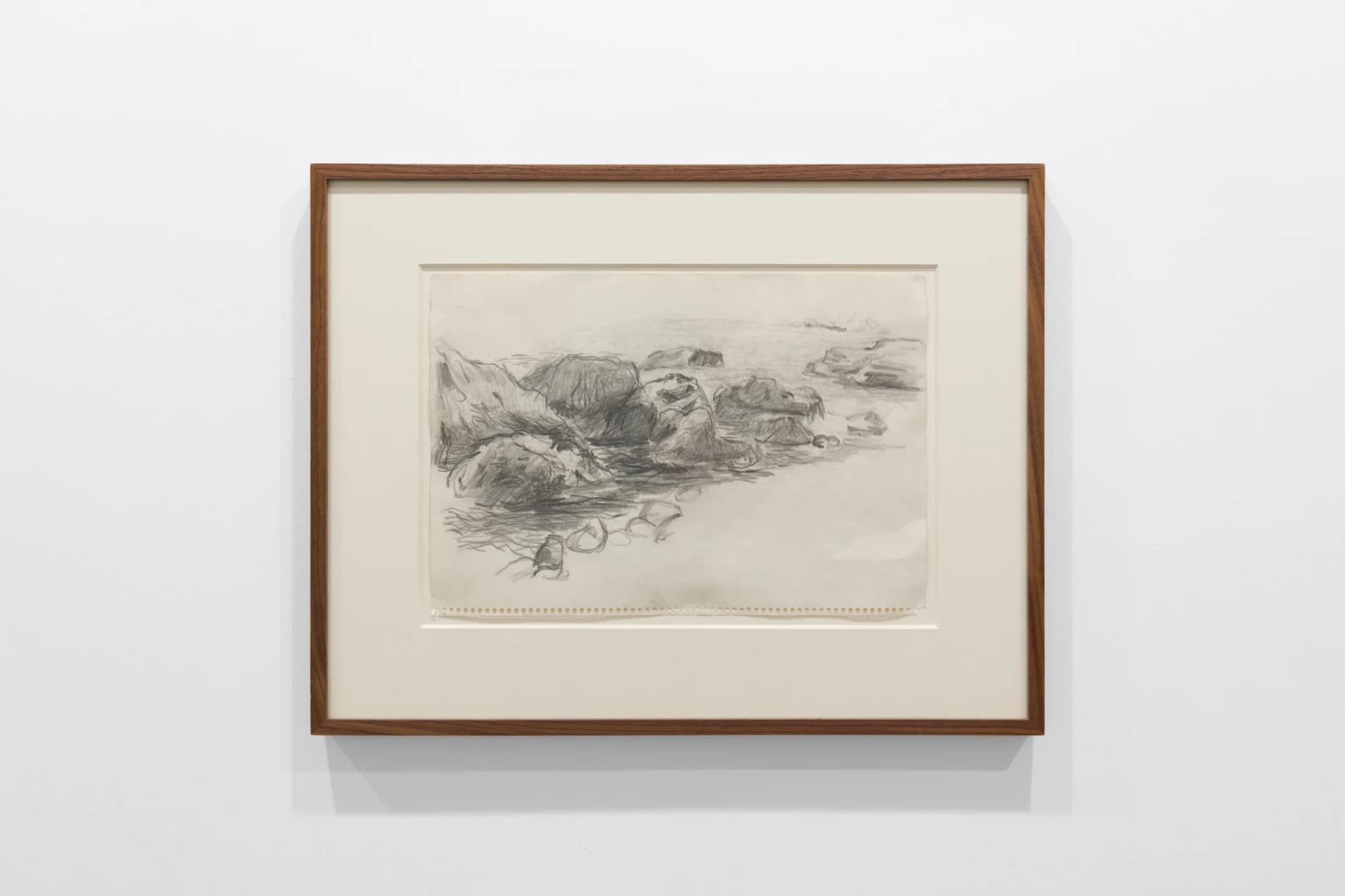
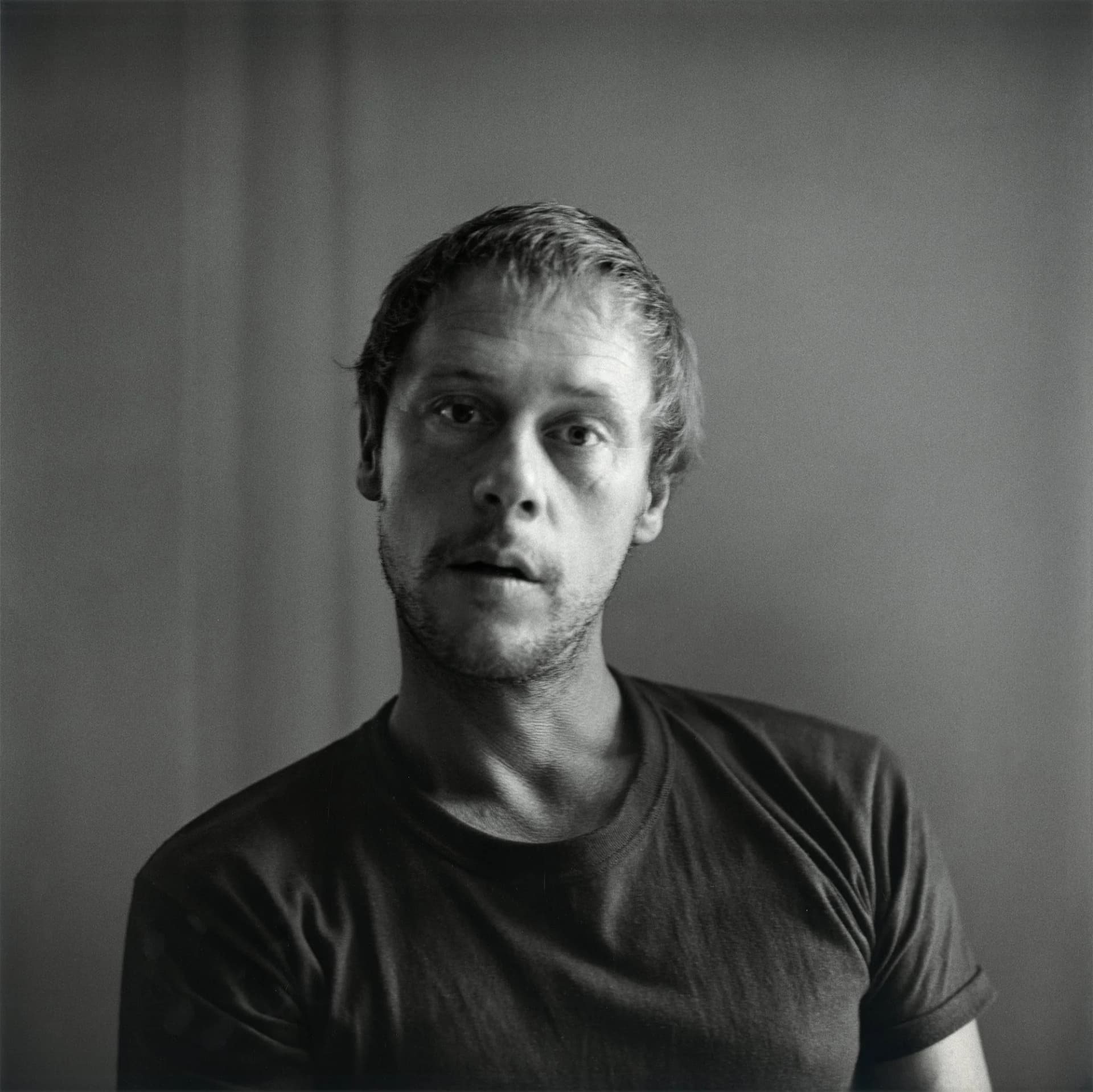
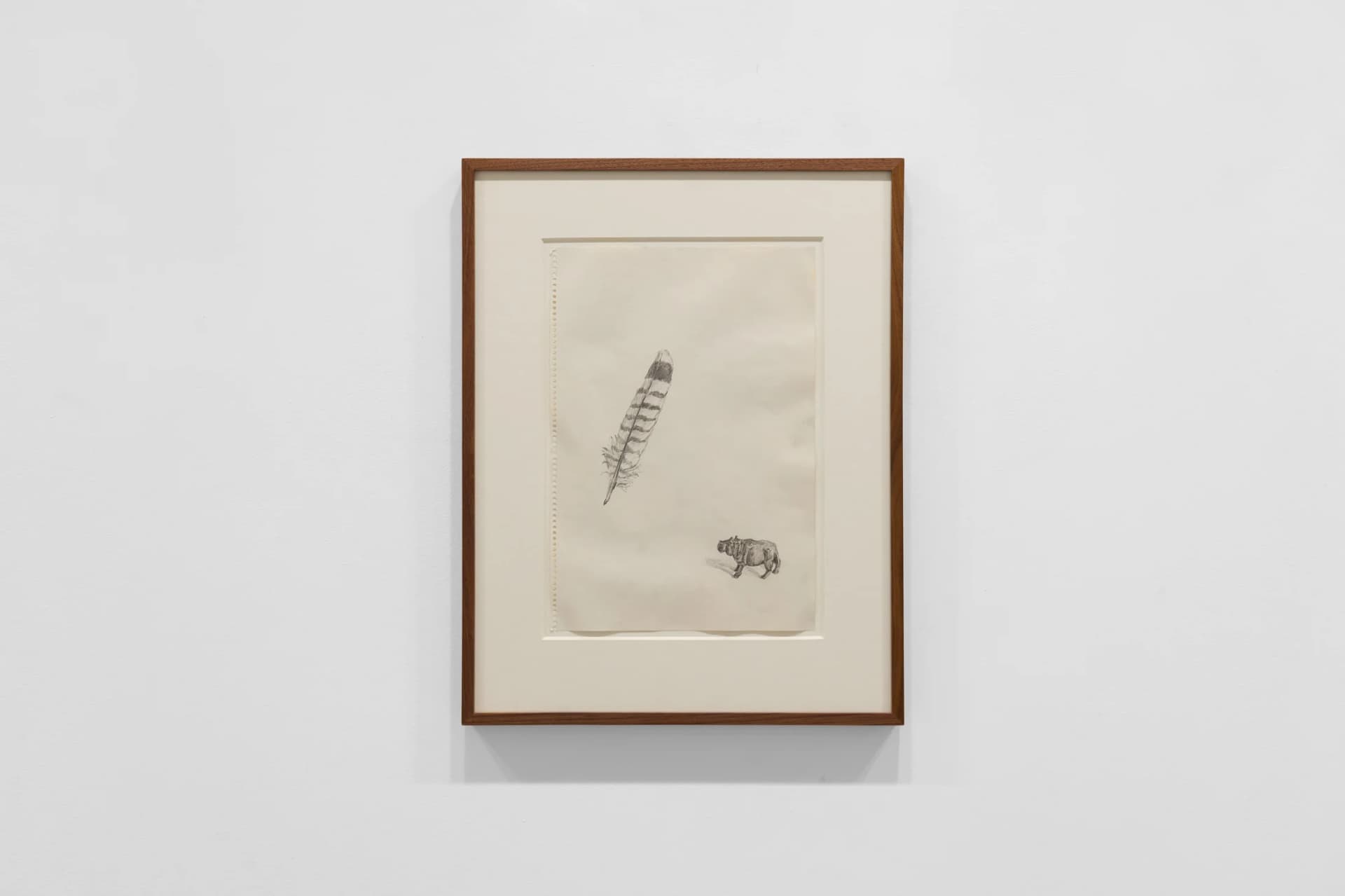
Paul Thek was an American artist known for his eclectic paintings, sculptures, video, and performance work. Throughout his practice, Thek combined elements of art history, existential anxiety, and contemporary culture into art that posed both formal and conceptual questions. “I sometimes think that there is nothing but time,” the artist once said, “that what you see and what you feel is what time looks like at that moment." He began collaborating with conceptual artists in the early 1960s, including Eva Hesse and Peter Hujar, and gained critical attention in the American art scene before moving to Europe in 1962. Living in Italy for much of the 1970s, Thek began producing his most iconic works: The Technological Reliquaries, wax sculptures of body parts displayed in Plexiglas vitrines. Thek’s three drawings included in the exhibition were all completed in October 1970, on his favourite island Ponza off the Italian coast between Rome and Naples. The island was a refuge for Thek, a place he loved and visited frequently. In a letter in 1979 to Frans Deckwitz, a Dutch artist friend, he wrote that he would prefer to spend the rest of his life on Ponza and die there. By his 1976 return to New York, Thek had lost the critical support he had once enjoyed, and would go on to live in relative anonymity and poverty until his death from an AIDS-related illness on August 10, 1988 at the age of 54.
Installation Views
Artworks
Pearl Alcock
Pearl Alcock
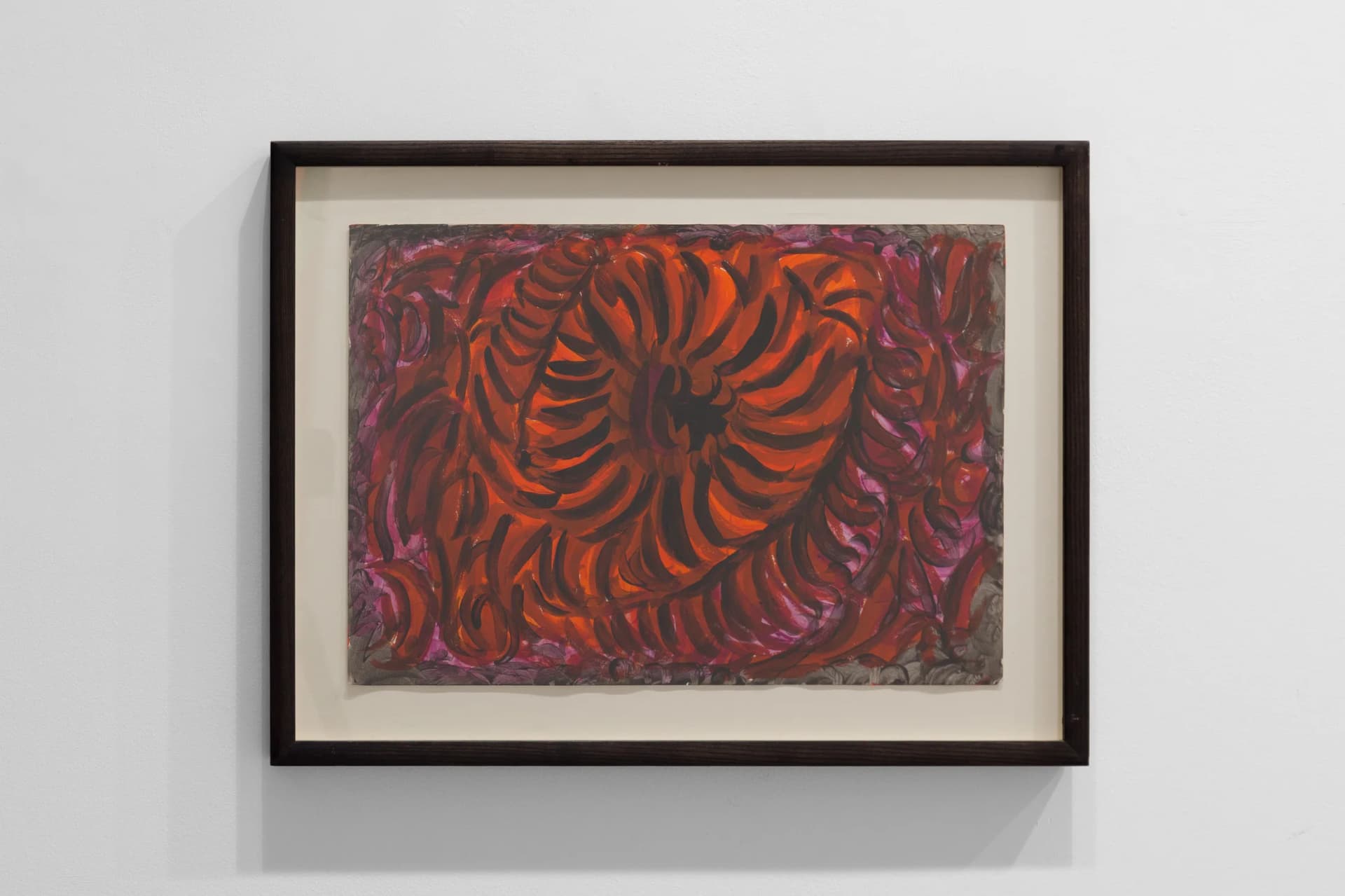
Pearl Alcock
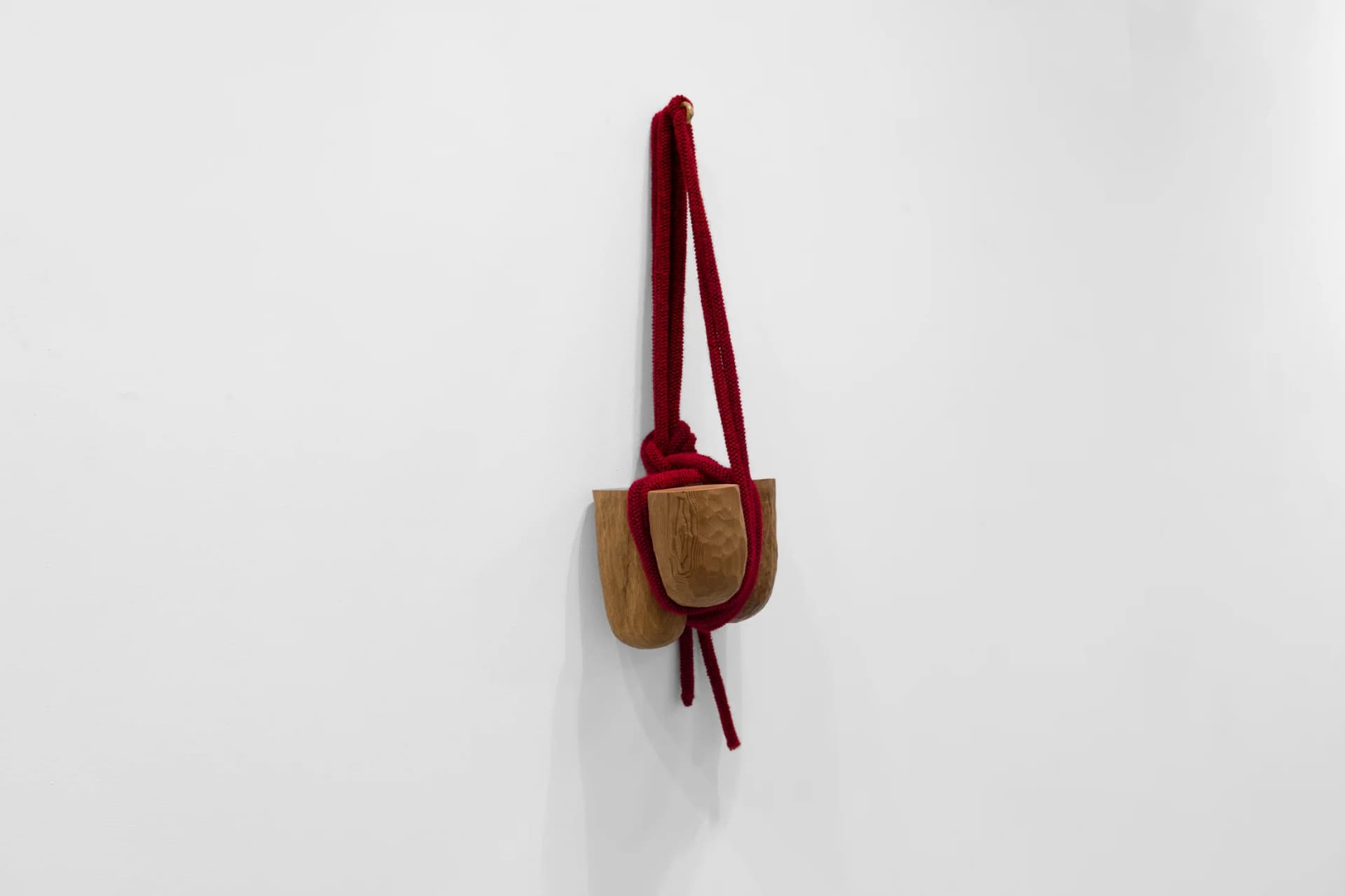
Tonico Lemos Auad
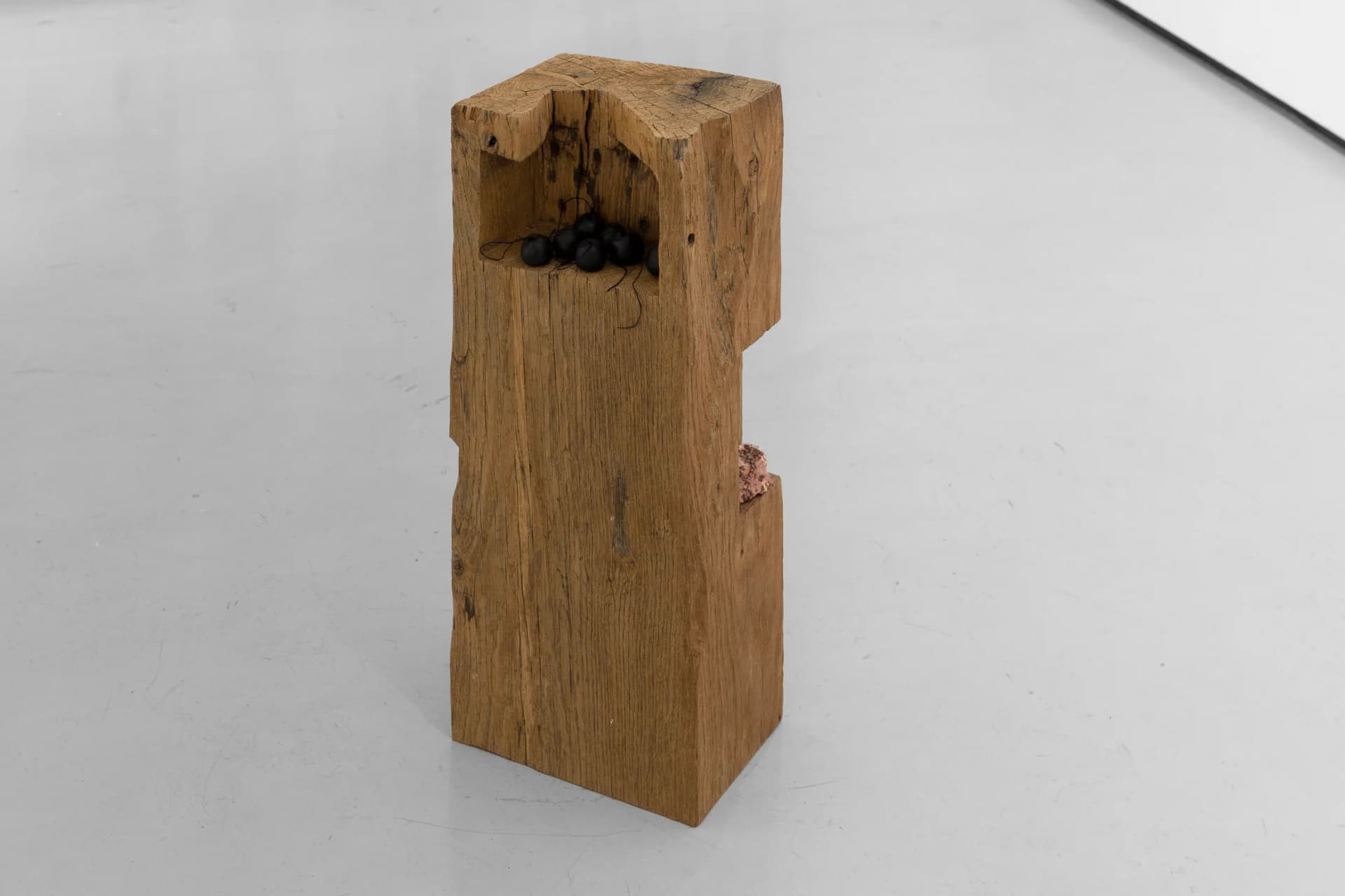
Tonico Lemos Auad
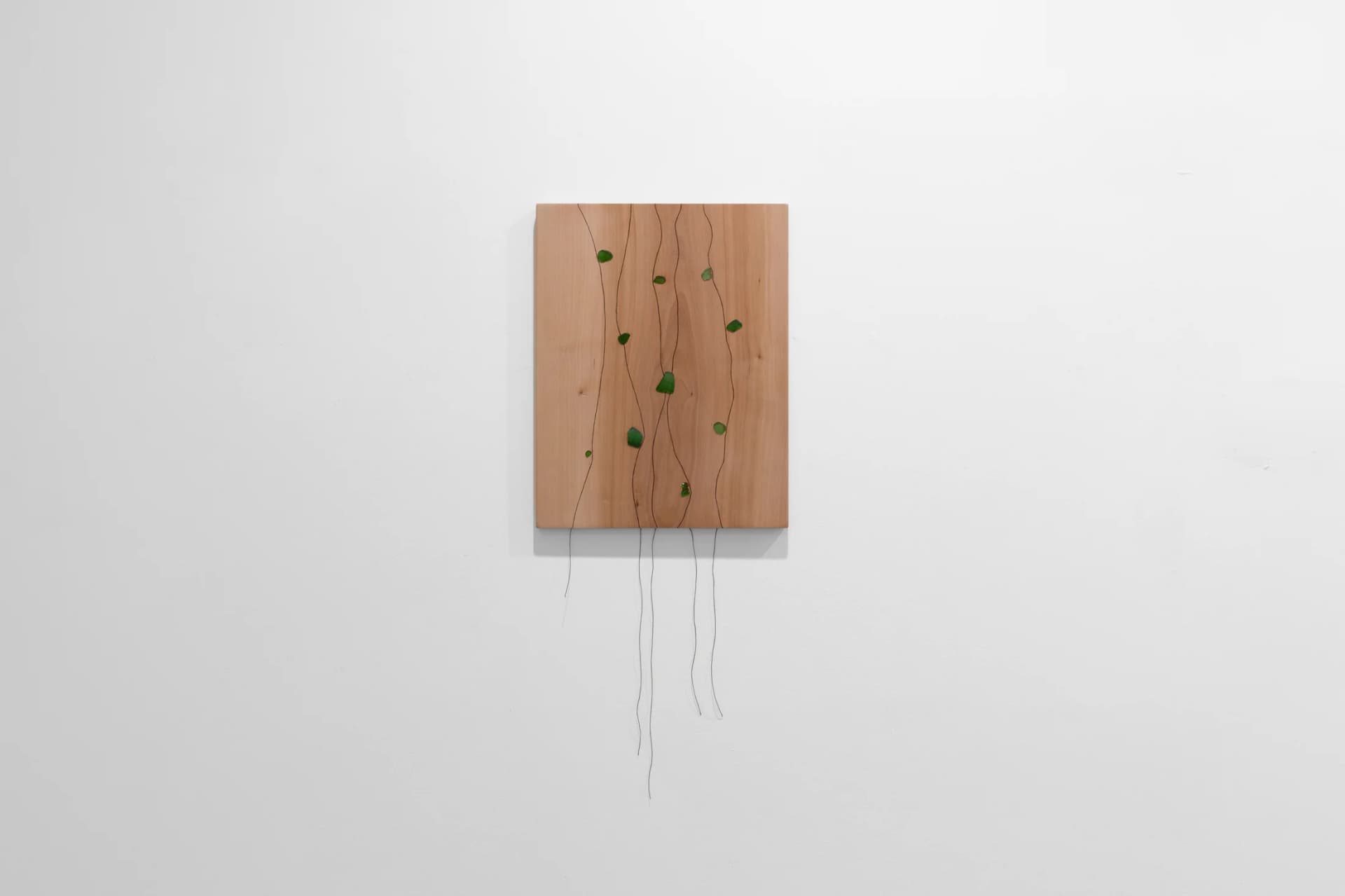
Tonico Lemos Auad
Tonico Lemos Auad
Tonico Lemos Auad
Lubaina Himid
Lubaina Himid
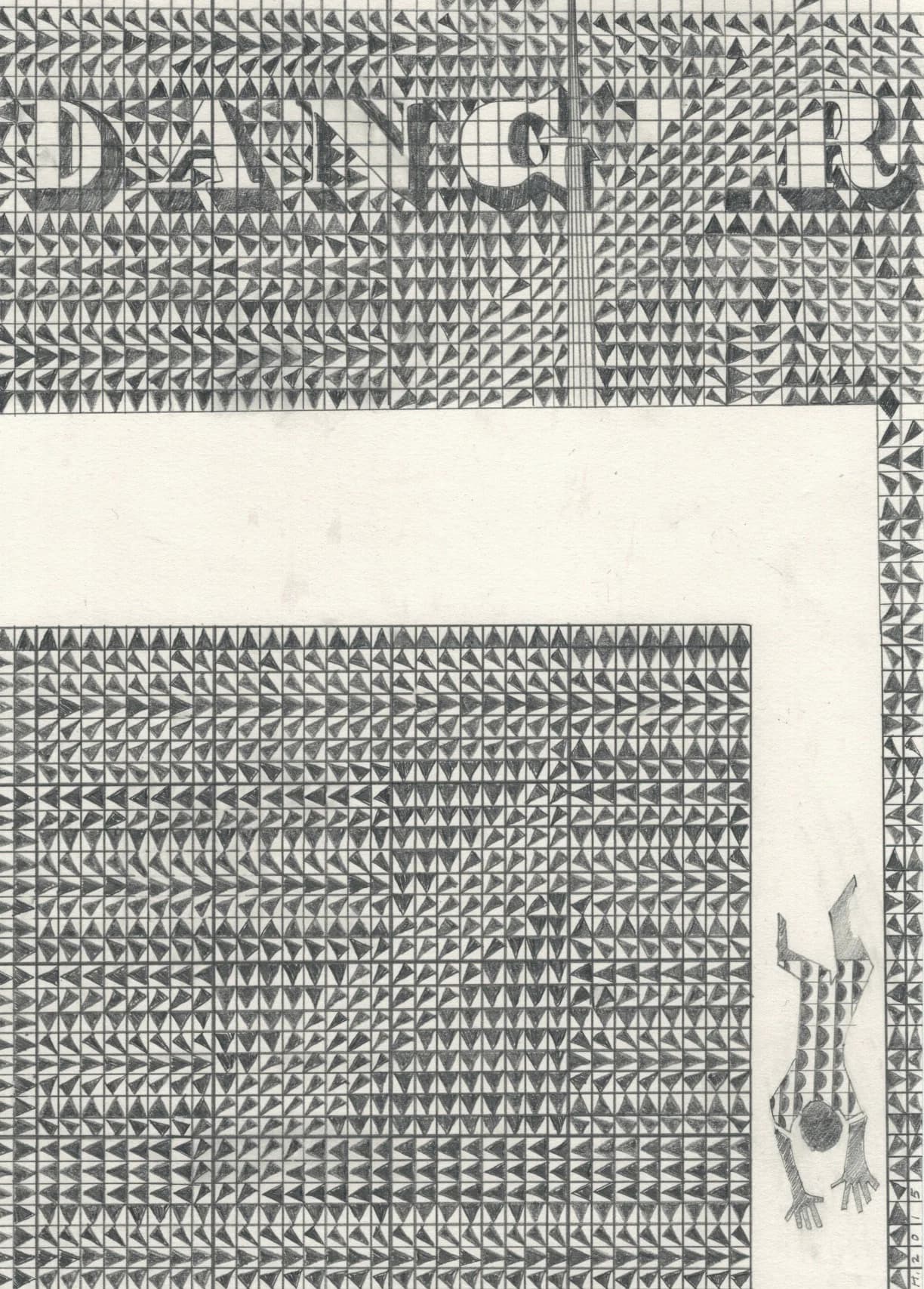
Lubaina Himid
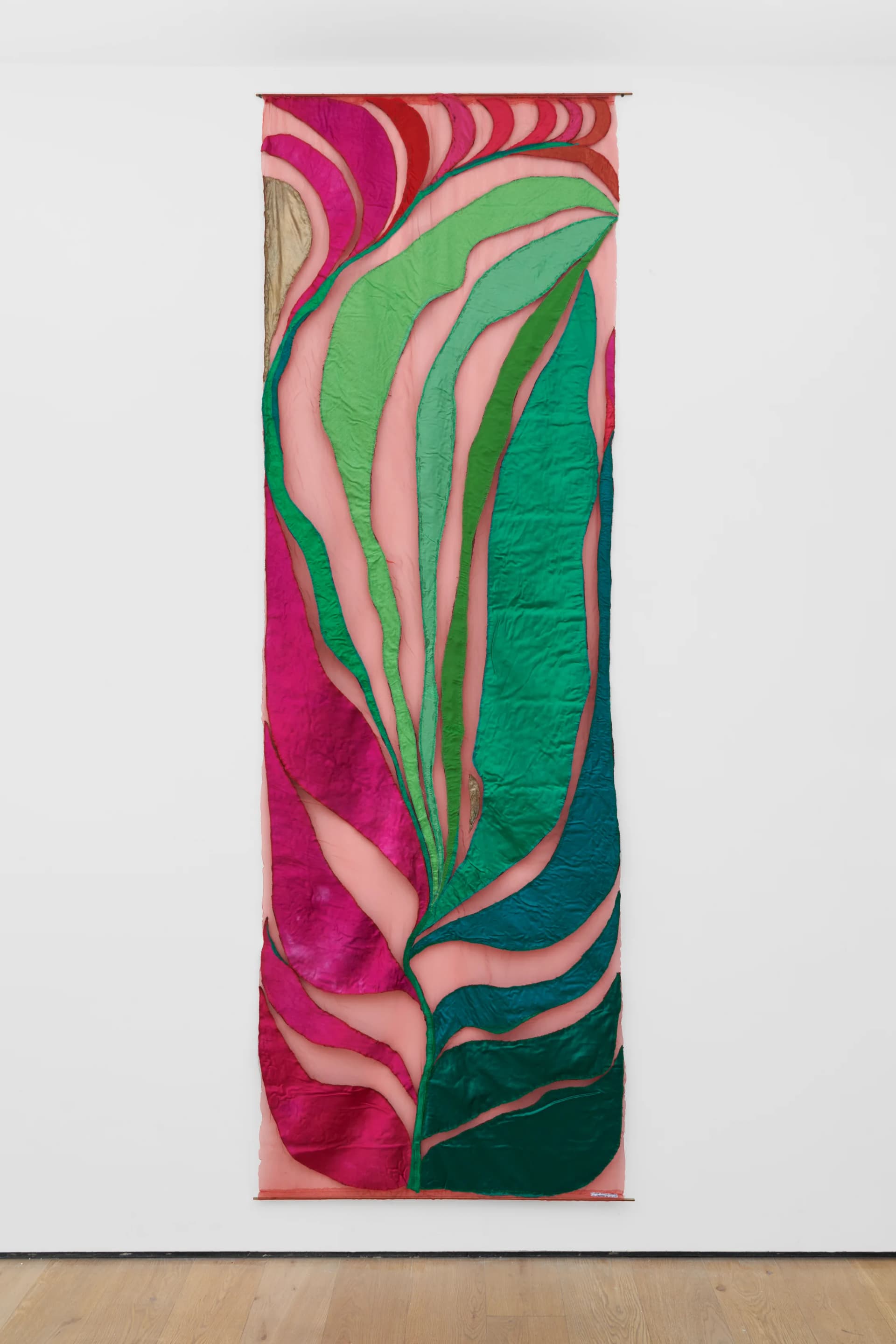
Barbara Levittoux-Świderska
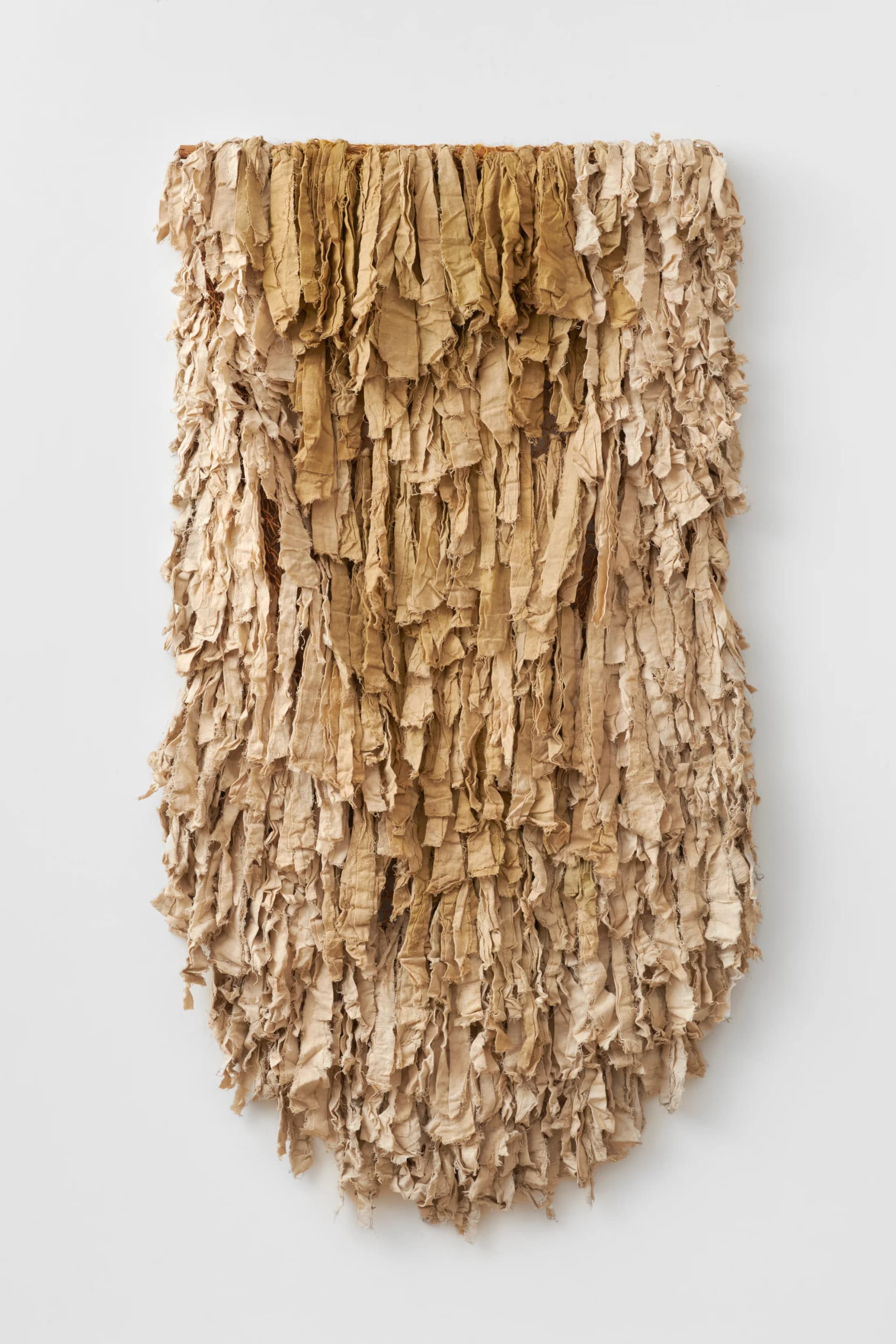
Barbara Levittoux-Świderska
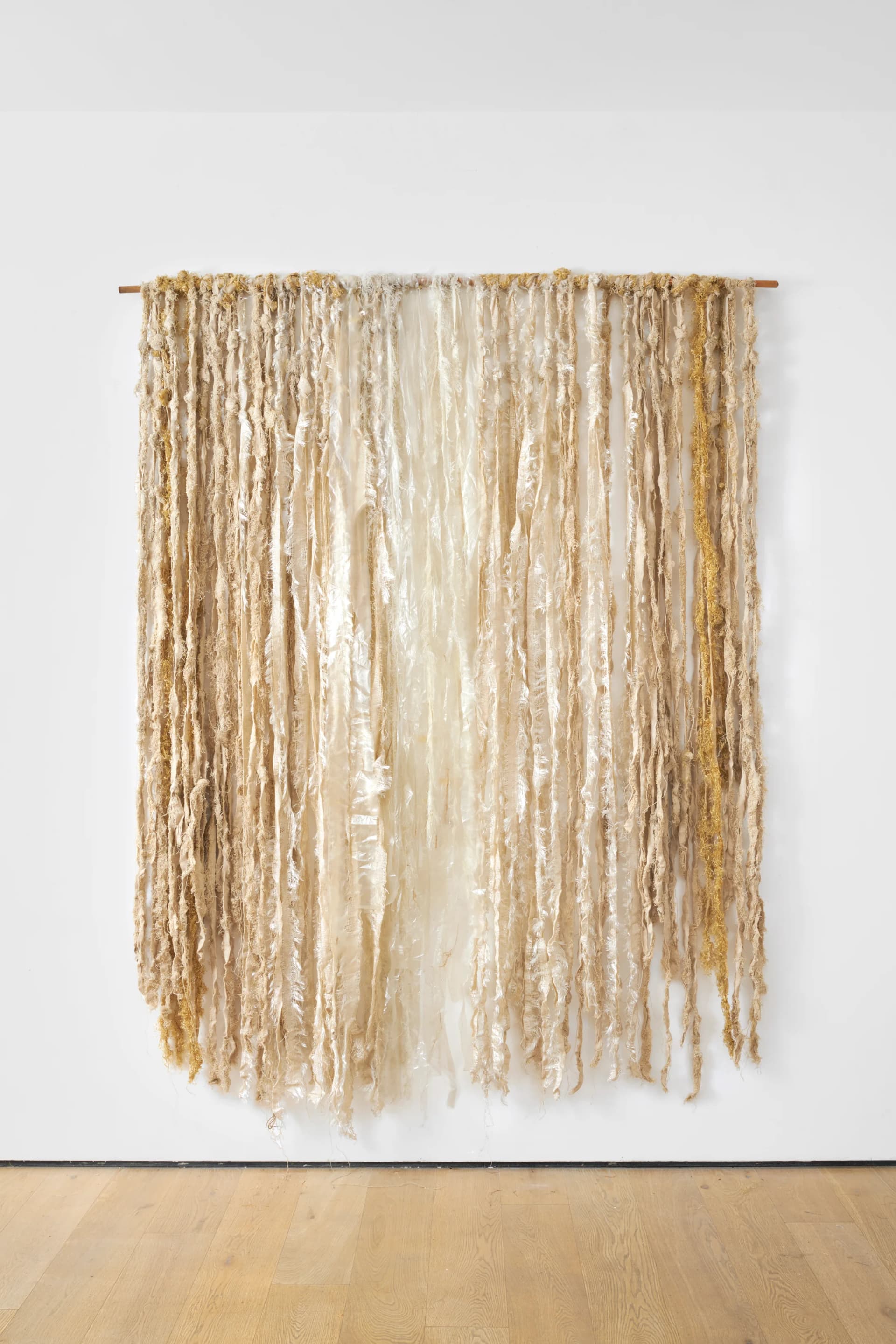
Barbara Levittoux-Świderska
Marlow Moss
Marlow Moss
Marlow Moss
Paul Thek
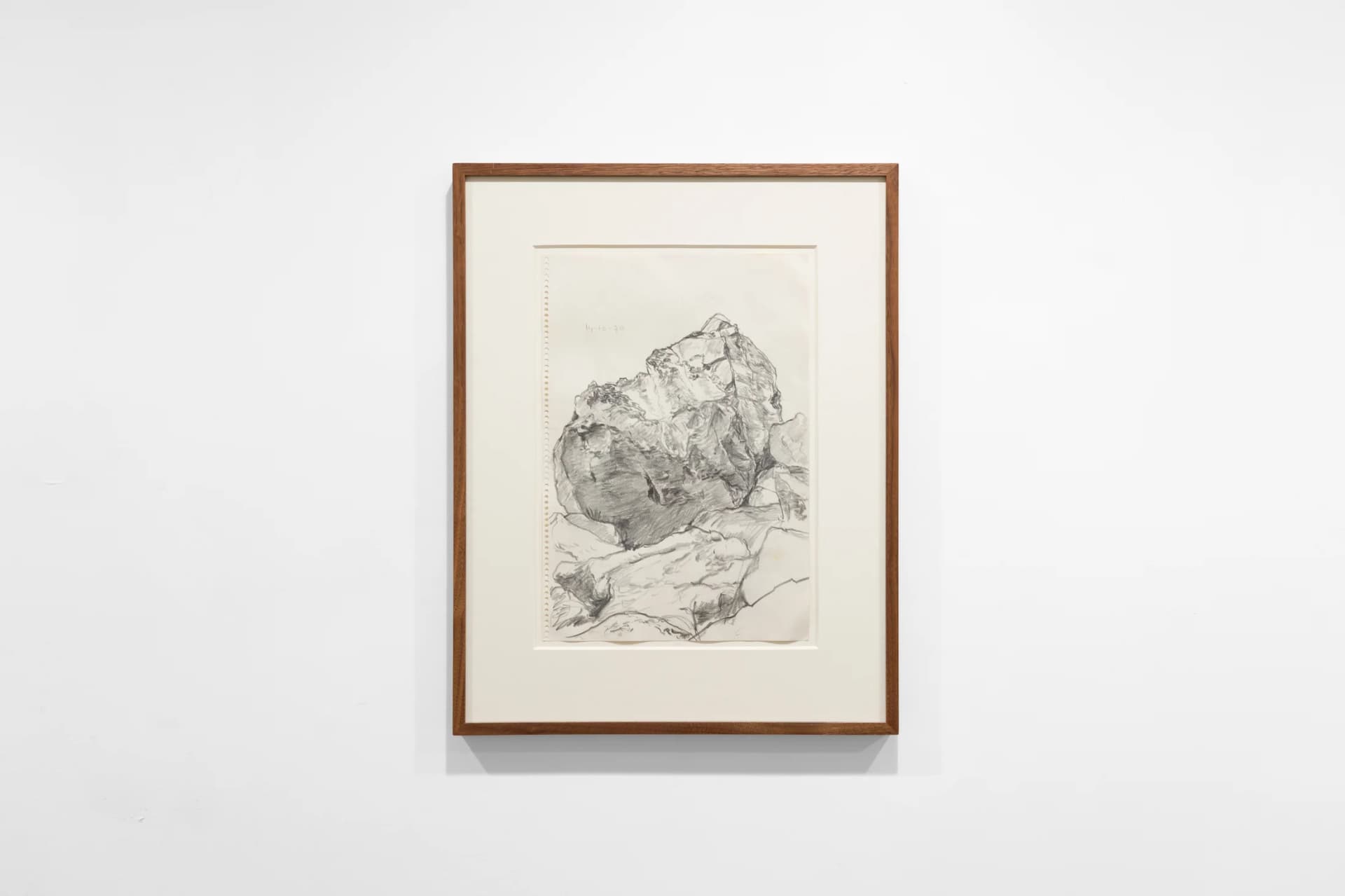
Paul Thek