The Blue Hour
13 July - 1 September 2023
Workplace, London
- Venue
- Workplace
- Date
- 14 July – 2 September 2023
London,
United Kingdom
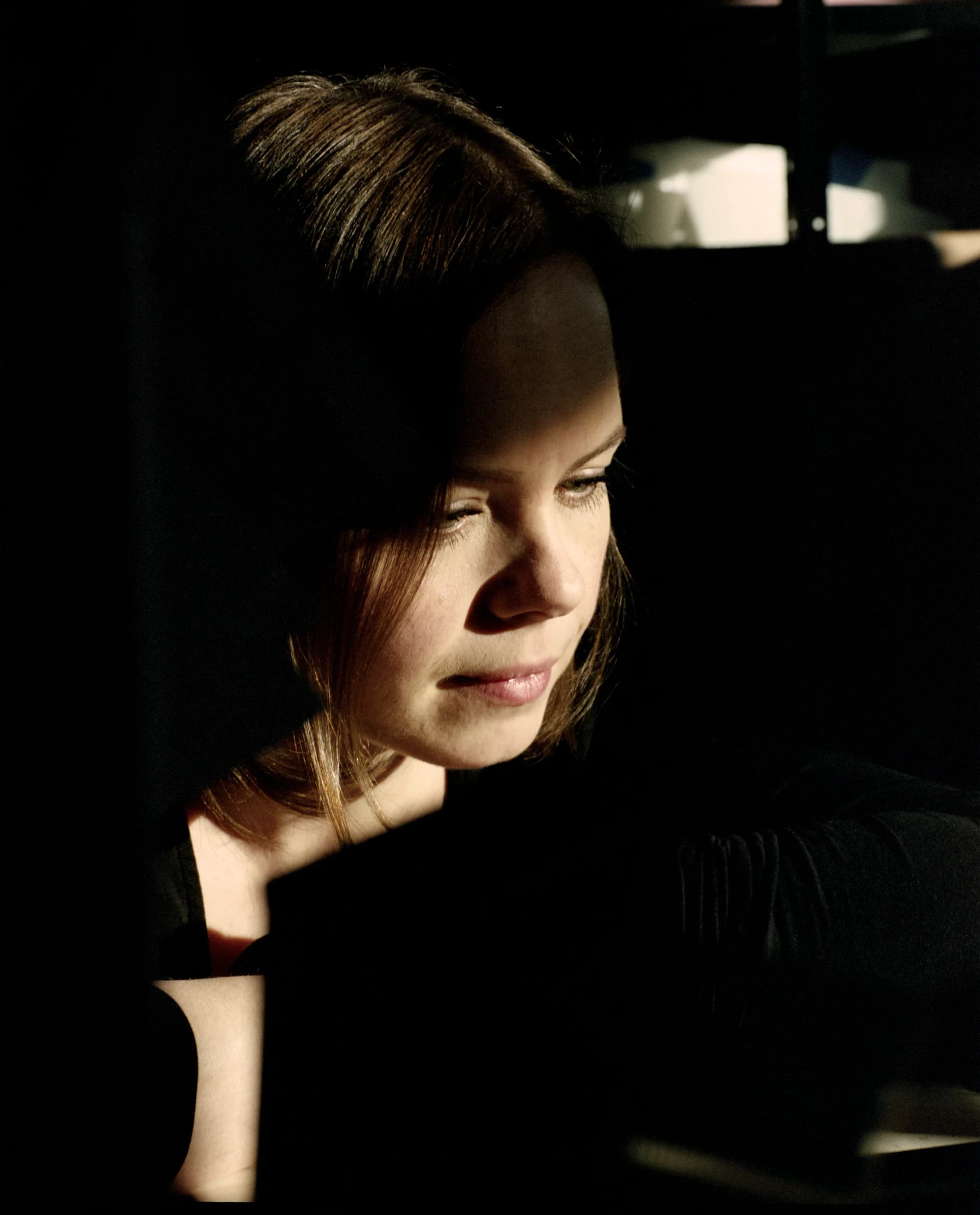
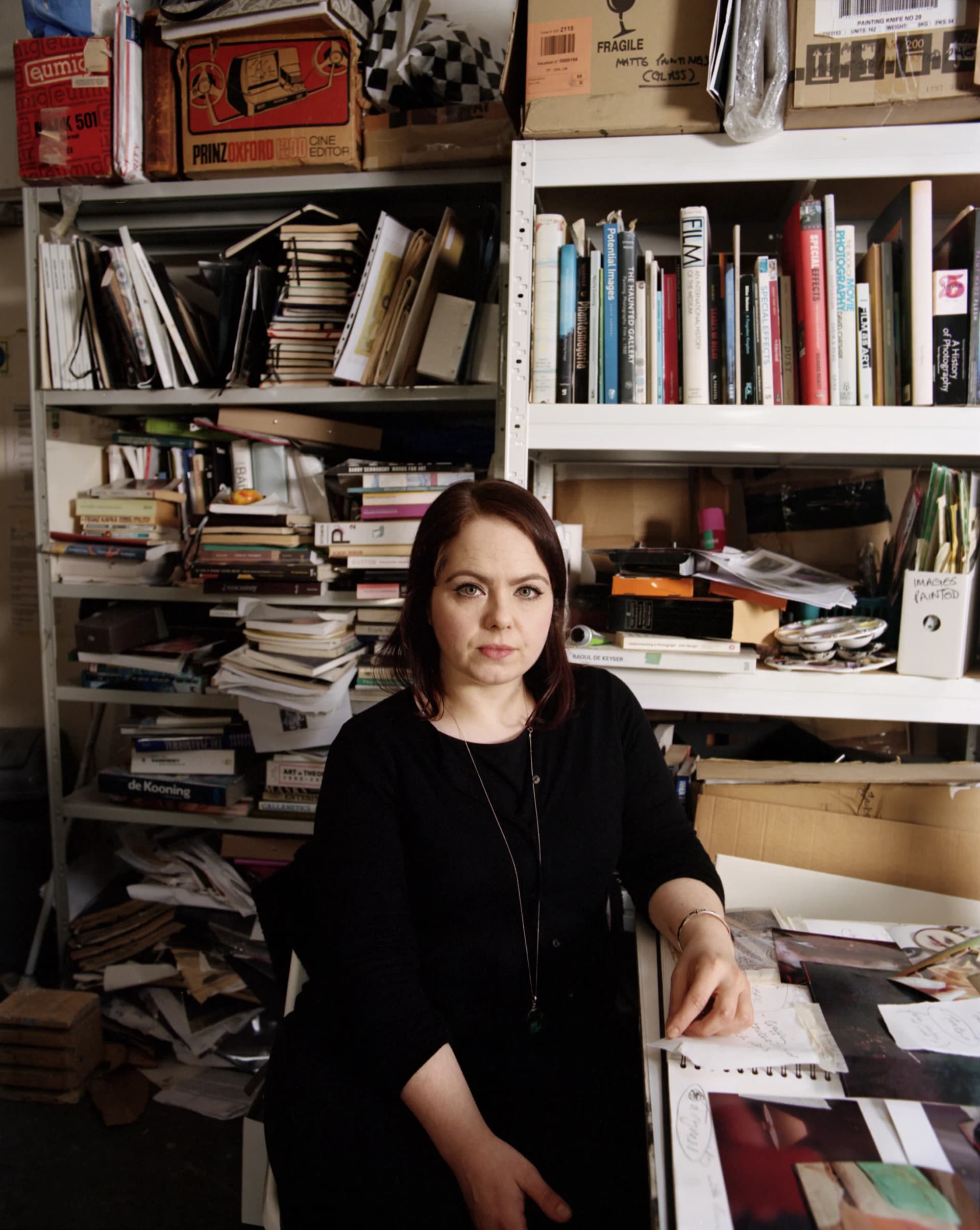
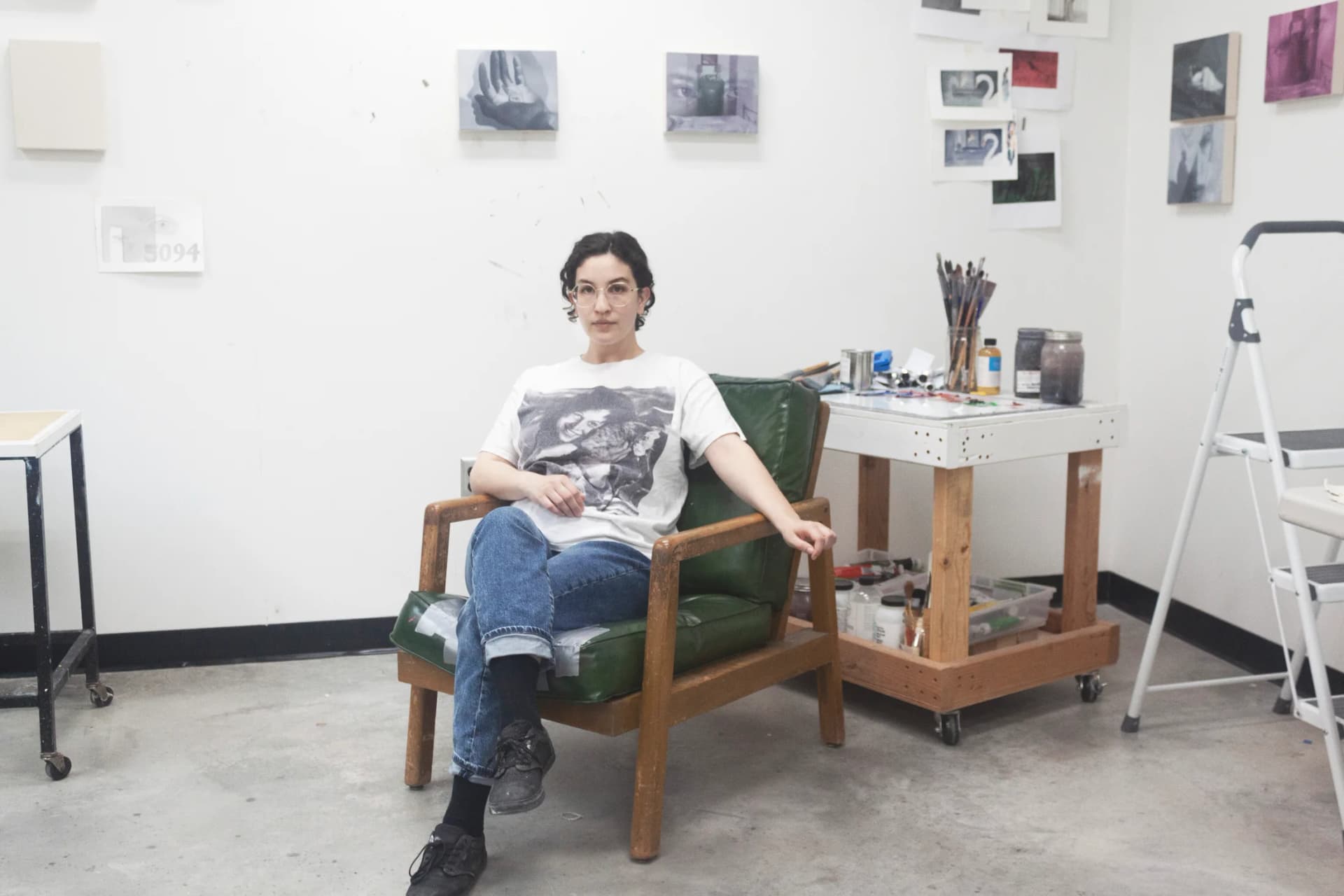
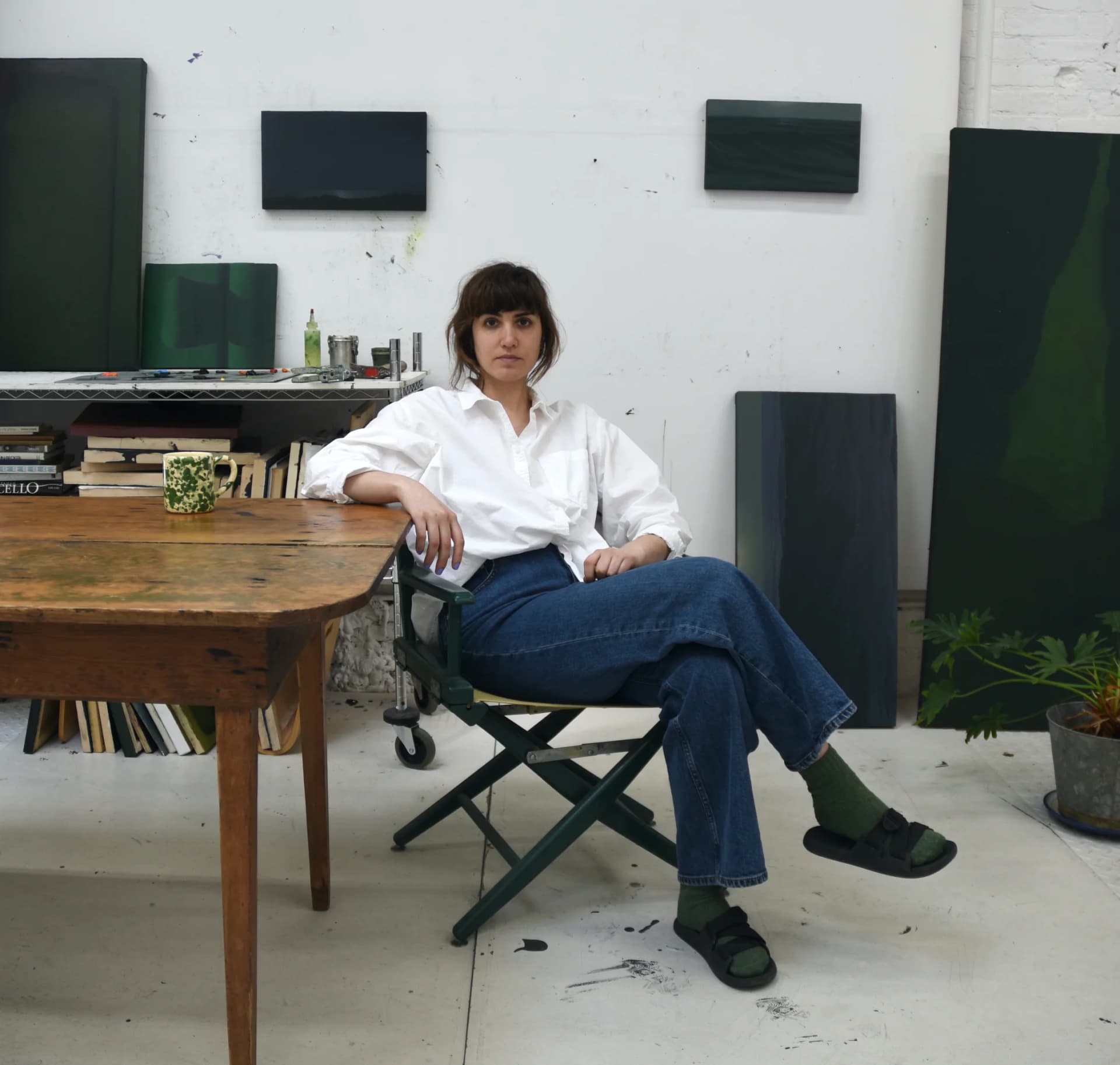
Workplace is pleased to present The Blue Hour, an exhibition of work by ten female artists: Aglaé Bassens, Hazel Brill, Cathleen Clarke, Olivia Jia, Laura Lancaster, Rachel Lancaster, Julia Maiuri, Prae Pupityastaporn, Sarah Schlesinger and Jill Tate.
The blue hour (l’heure bleue) is a period of twilight when the sun is at a specific position beneath the horizon and the sunlight’s blue wavelengths dominate the sky. It holds a unique ambiance and energy, often evoking a range of emotions and psychological states – solitude, introspection, vulnerability, tension, mystery or fear. It brings a heightened sensitivity to the nuances of one’s thoughts and emotions, and a blurring of the boundaries between the realms of the conscious and the subconscious.
Within the exhibition, the artists explore the contemplative space that the blue hour offers and present a unique female perspective of solitude and intimacy either from an enclosed domestic interior or from isolated immersion in the outside world.
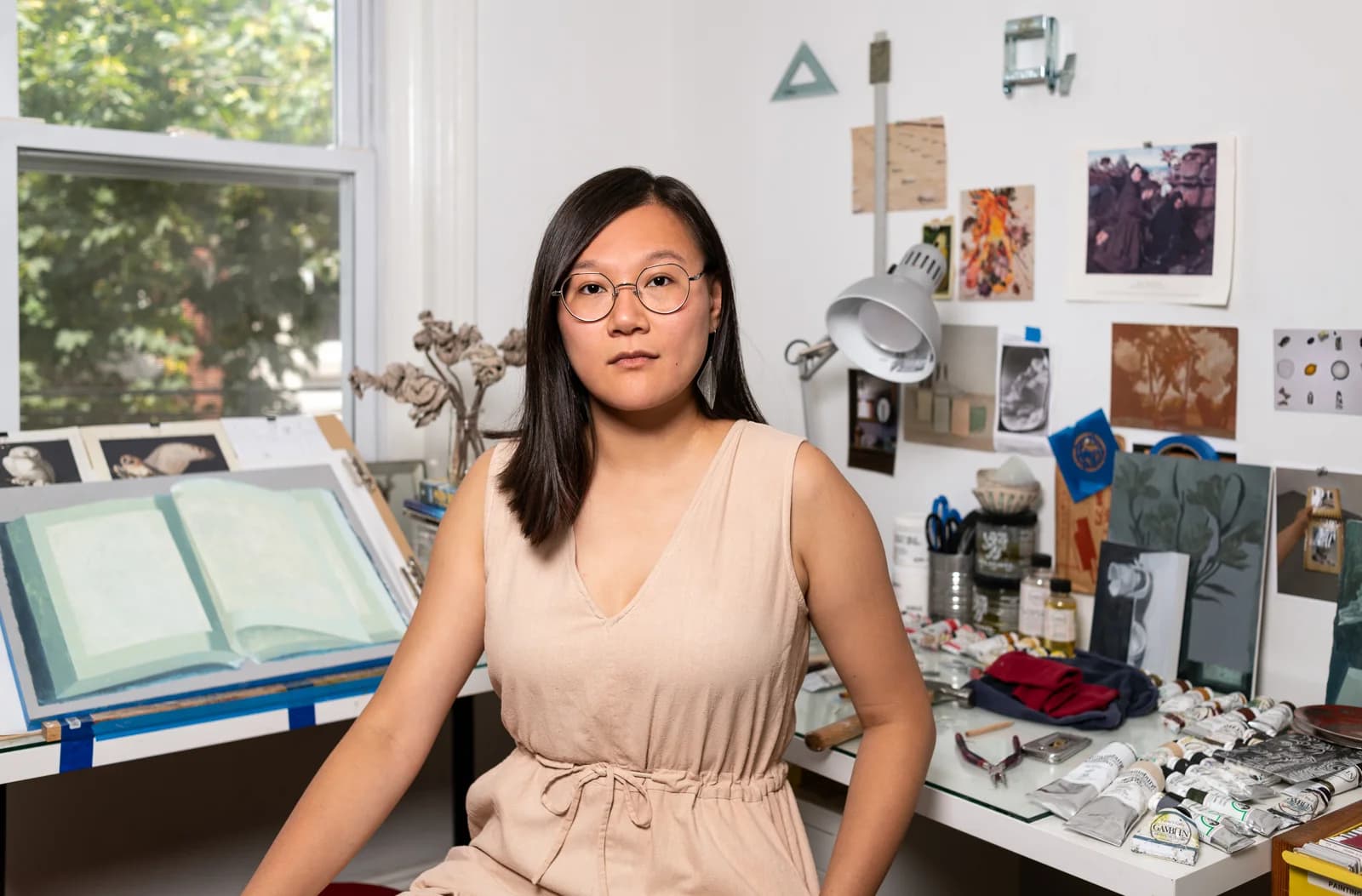
Olivia Jia’s new painting Page unfolded (Audubon great tern), expands upon the intricate nuances of environments encountered at night. Painted using what Jia describes as a ‘nocturnal’ palette, the painting is encountered by the viewer as if trapped between a state of sleep and awake.
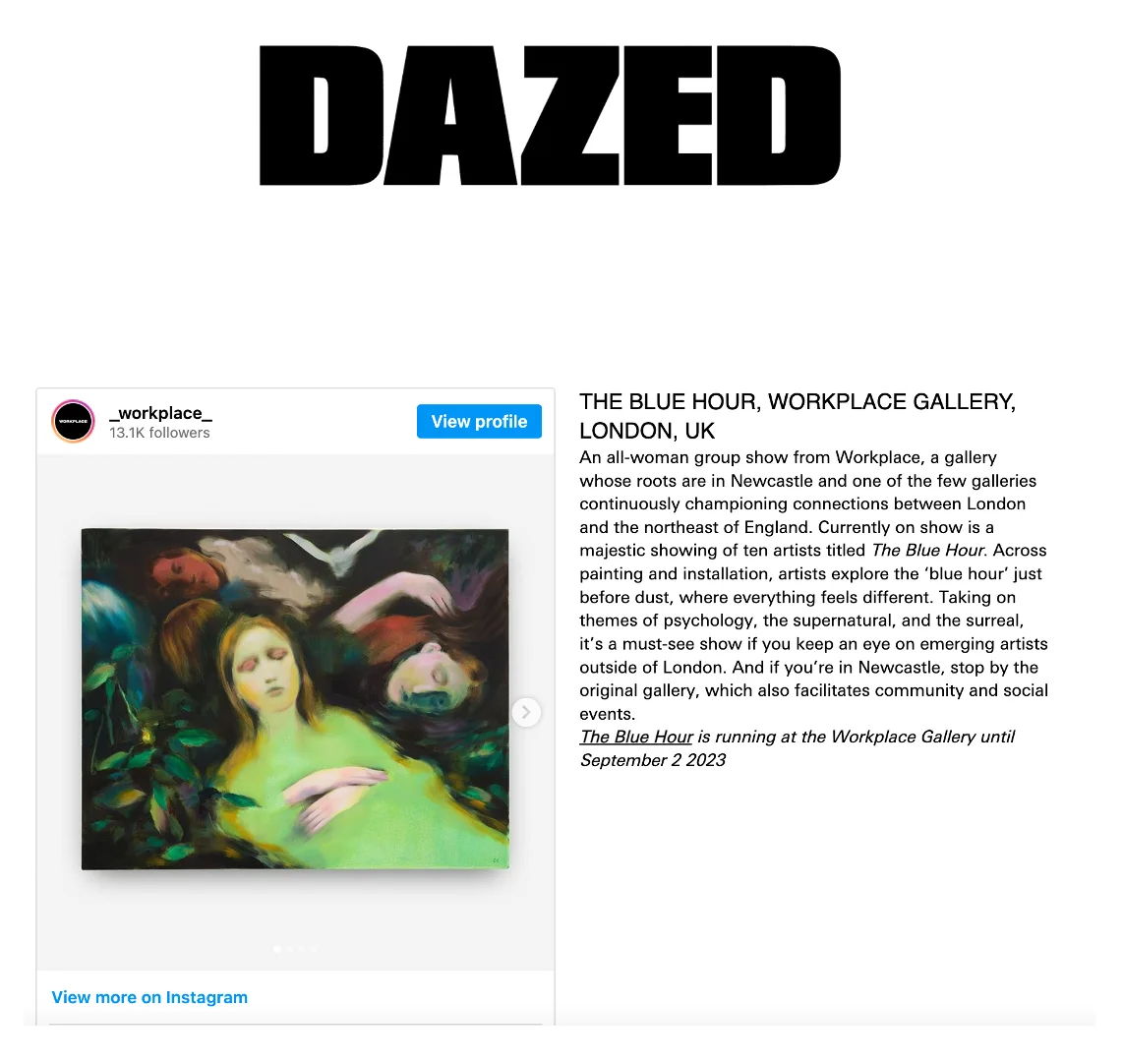
Strands of Sleep by Cathleen Clarke forms part of her new ongoing series of Sleepover paintings. Rendered in soft dreamlike tones, the painting depicts figures asleep amongst dark green foliage. Lit from the milky glow of the moonlight, the figures dissolve into darkness, inviting viewers to delve into the mysterious landscape of the subconscious realm.
Aglaé Bassens presents a poignant depiction of everyday life in her painting Night Laundry. Here, Bassens portrays a mundane laundry line, silhouetted against the soft glow from a domestic window. The object takes on a new significance, becoming a poetic symbol of personal histories and the quiet labour of everyday life.
Prae Pupityastaporn draws from the overlooked minutiae of daily life. By intertwining streams of the subconscious, Pupityastaporn offers dreamlike insight into the flux and fragility of memory, both personal and shared. Her paintings demonstrate the shifting possibilities of shared emotional fabrics, proving how each of our complex internal states can colour perceptions of the external world.
Jill Tate delves into the concept of home and shared personal space. Tate constructs scale models and makes paintings of these sparse scenes in warm hues of terracotta. Through this process and use of light and colour, Tate explores the psychological constructs of home, whether it be a place of sanctuary or of confinement.
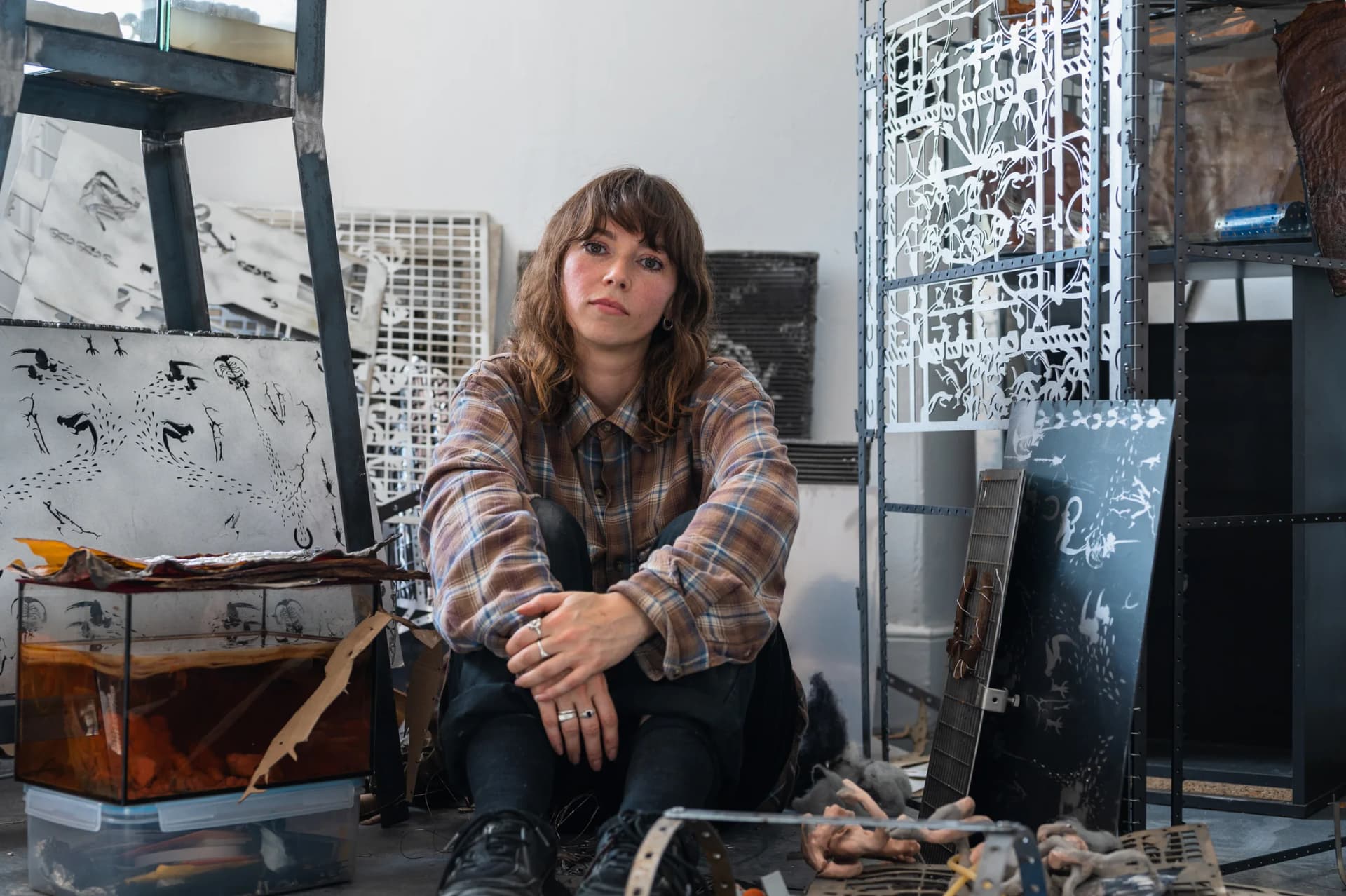
Hazel Brill has taken a recognisable domestic item, the cuckoo clock, and rendered it dysfunctional. Made out of red glass and metal, the clock references the interiors of gothic horror fiction. Darkly surreal, this object pertains to the functioning of the mind, suggesting a descent into the irrational and subversive.
Sarah Schlesinger depicts obstructed landscapes of hedges and bushes, set against darkening and brooding skies in a monochromatic palette,. Initially reminiscent of idyllic English country gardens, Schlesinger’s work transcends representation creating mystique and palpable tension, prompting viewers to unravel the veiled meanings or narratives beyond that which is presented.
Taken from photographs of moving images, Rachel Lancaster’s two new paintings evoke a sense of dramatic anticipation. Both figures are surrounded by darkness, closing them off form the viewer and making the canvas their own solitary space. The figures simultaneously appear and dissolve, and Lancaster achieves both stillness and suspense through what she describes as ‘loud silence’.
Julia Maiuri references the cinematic, paying homage to film noir and horror movies. Letter and Sorry I missed you, are two new works by Maiuri, each using stills from the 1945 film My Name is Julia Ross. By capturing moments of dissolution, Maiuri infuses her subjects with a sense of thwarted pursuit and ambiguity, creating a distinct and transitory dreamlike atmosphere.
The work of Laura Lancaster explores the boundaries of representation and memory. These new works feature solitary figures, suspended in a state of flux, and painted in ethereal light of the blue hour. Featuring an anonymous figure, the paintings evoke a sense of quiet introspection, vulnerability and an invitation to explore the depths of one’s own memories.