The Still Point
10 June - 3 July 2026
Workplace, London
- Venue
- Workplace
- Date
- 11 June – 4 July 2026
London,
United Kingdom
Workplace is pleased to present The Still Point, a group exhibition including works by Dom Sylvester Houédard, Charlie Prodger, and Gordon Scott, curated by Darren Leak.
The Still Point takes its title from T.S. Eliot's line "At the still point of the turning world" in his poem Burnt Norton. The exhibition reflects the idea of quietly standing your ground: a poised, inward form of resistance, where stillness becomes a way of holding steady amid uncertainty.
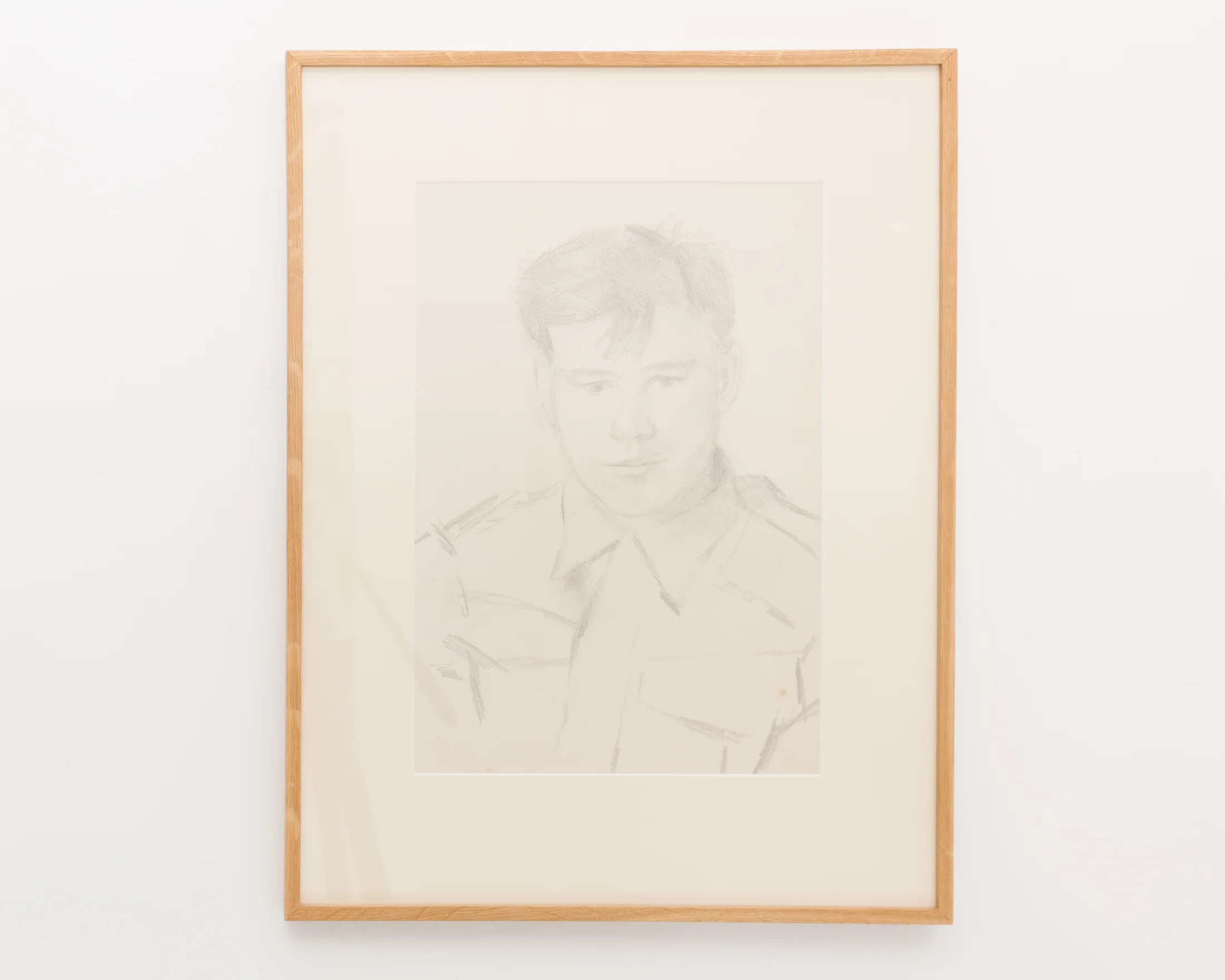
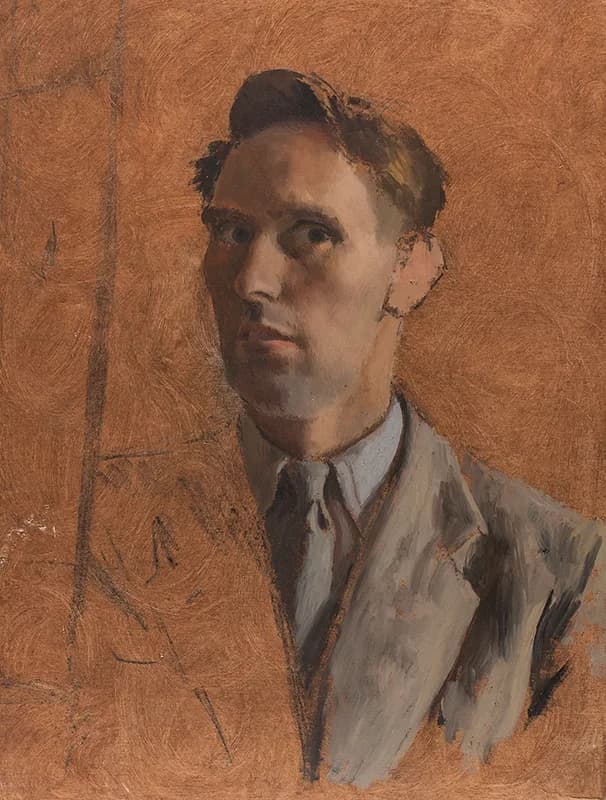
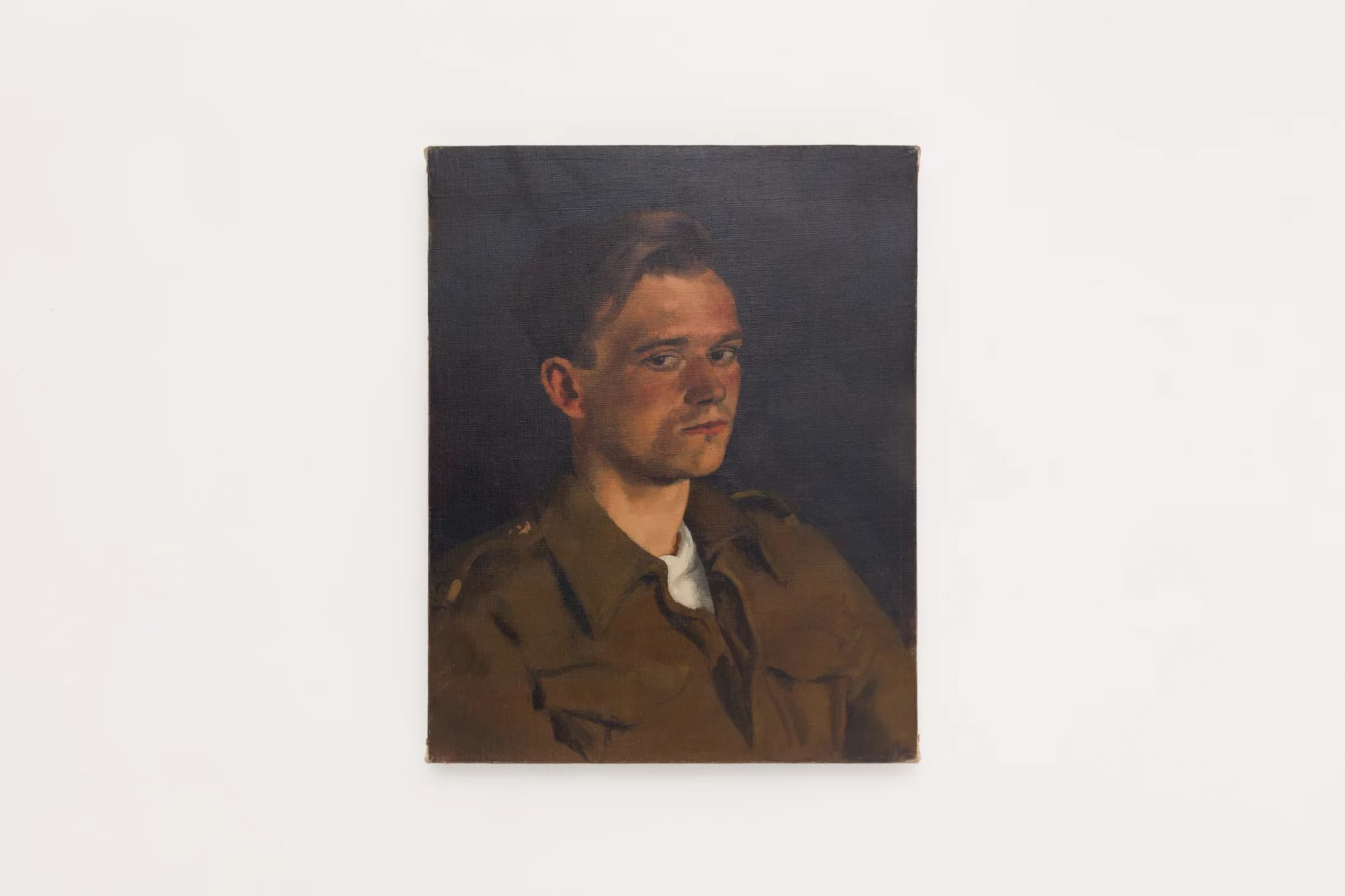
Gordon Scott was himself a conscientious objector during the Second World War, stationed at Bulford Camp on Salisbury Plain as a member of the Non-Combatant Corps. Though his designated role there was unknown, his sketches and paintings, made in the early 1940’s are portraits of fellow objectors who passed through the camp. Positioned within the military apparatus yet apart from it, Scott recorded these young men with a tenderness and precision, producing works that are as much works of art, as acts of witness to a significant period of history. To refuse to fight in that climate, was to hold onto something interior against enormous external pressure. Scott captures that refusal, and the men who embodied it, with deftness, spareness and care.
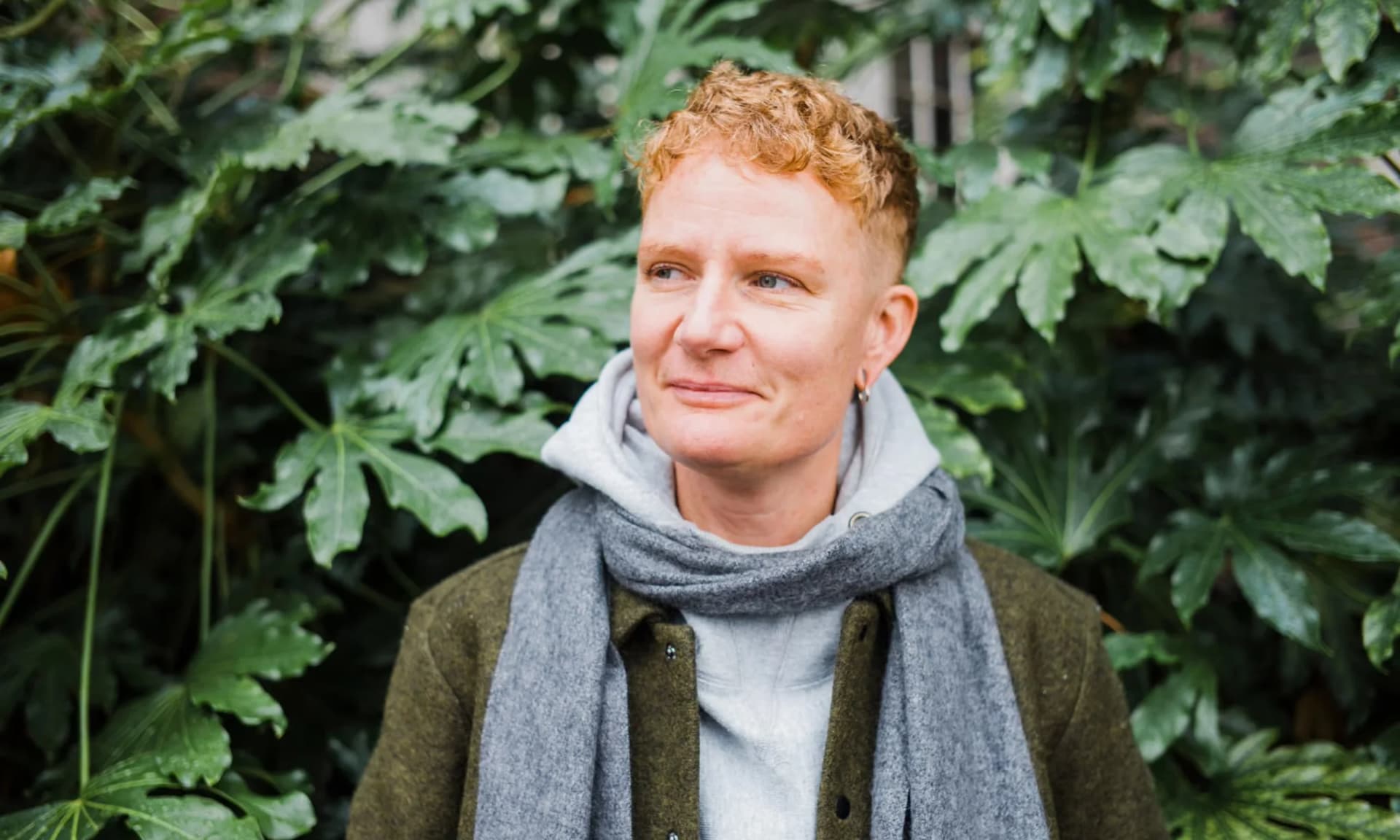
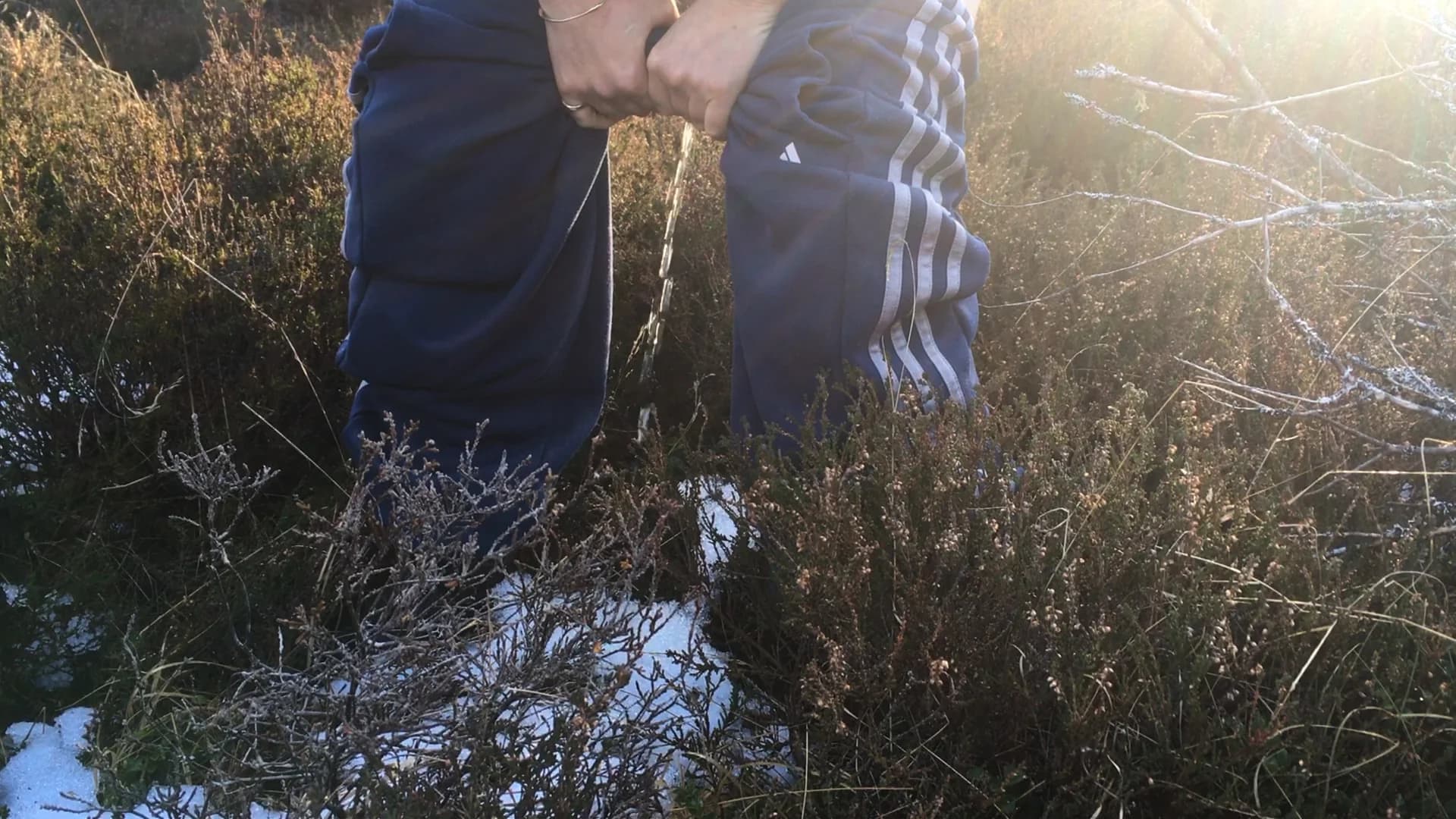
Charlie Prodger’s Passing as a Great Grey Owl (2017) was commissioned for an event in Glasgow hosted by LUX and LUX Scotland to celebrate the life and work of Ian White (1971-2013). The work counterposes found footage of a female biologist mimicking the call of the male Great Grey Owl with video of the legs of women urinating in various wildernesses. The collision of these activities in landscape points toward an exuberant queer territoriality; claiming space though the body, unglamorously, and without ceremony. The work includes a passage from I am (for The Birds), the final text in the book Here is Information. Mobilise: Selected Writings by Ian White.
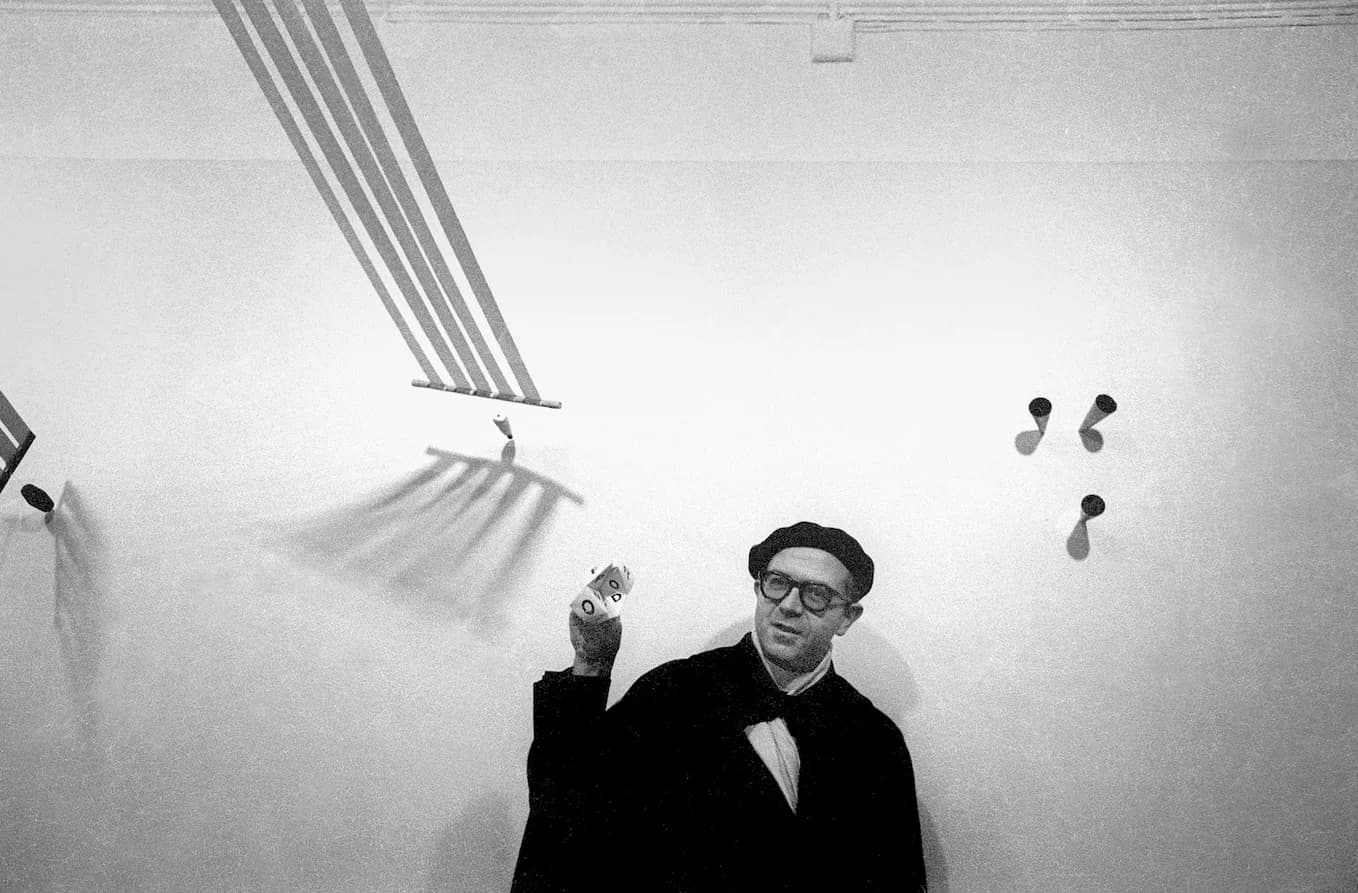
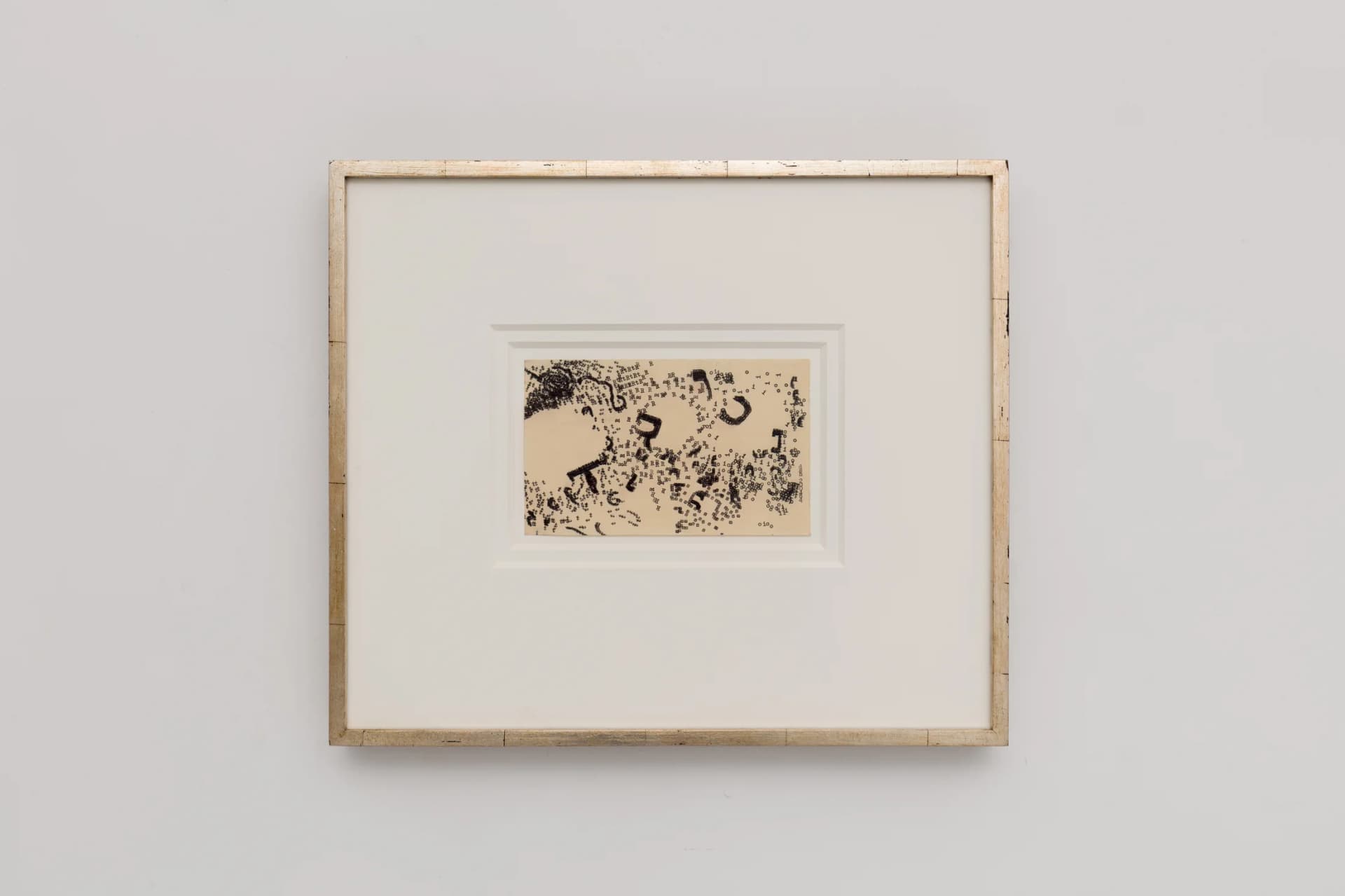
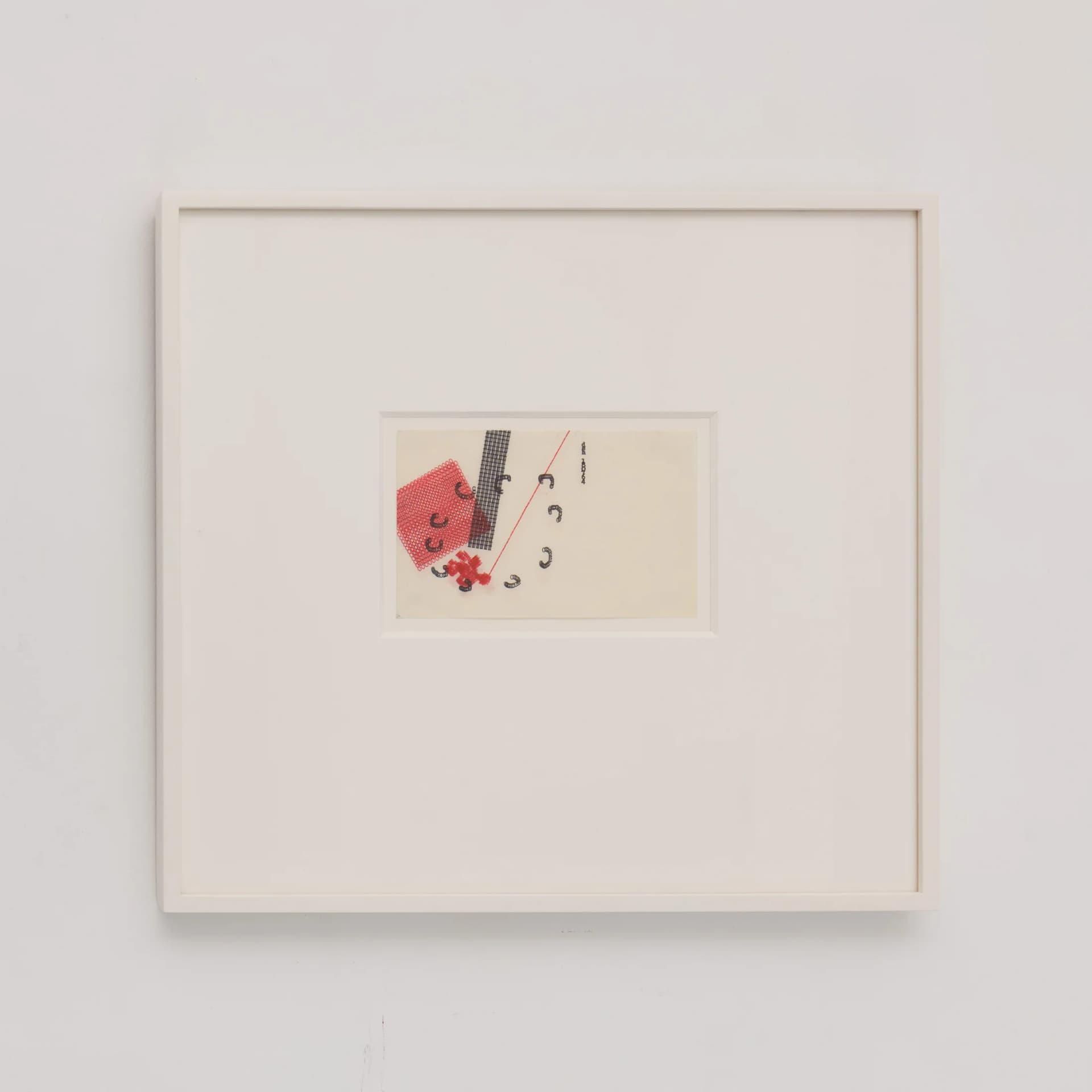
Presented alongside Scott and Prodger’s works are two of Dom Sylvester Houédard’s Typestracts, both produced in 1964. Created using a standard office typewriter, Houédard’s concrete poems transform language into visual structure, arranging letters, punctuation marks and spacing into compositions that hover between writing, drawing and notation. A Benedictine monk, poet and theologian associated with the British Poetry Revival, Houédard understood language not simply as a vehicle for meaning but as a material through which consciousness might be reordered. The Typestracts presented here embody a form of attention that is at once disciplined and expansive. Their intricate geometries emerge through repetition, restraint and the patient accumulation of marks, creating fields of concentration that invite sustained looking. Rather than proclaiming meaning, they hold it in suspension, occupying a threshold between speech and silence.
Across the exhibition, acts of refusal, witnessing and self-definition unfold through distinct formal languages. Scott’s portraits record those who chose not to participate in war; Prodger’s film claims space through embodied, queer presence; and Houédard’s Typestracts locate meaning in concentration and stillness. Together, these works suggest that resistance is not always dramatic or overt, but can emerge through attention, persistence and the quiet maintenance of conviction.
Installation Views
Artworks
Dom Sylvester Houédard
Dom Sylvester Houédard
Charlie Prodger
Gordon Scott