Ideal Mexico
11 February - 17 March 2012
The Old Post Office, Gateshead
- Venue
- The Old Post Office
- Date
- 11 February – 17 March 2012
Gateshead,
United Kingdom
Campbell’s new work focuses on the world portrayed and proposed by the proliferation of ubiquitous upmarket lifestyle and travel guides. Marketed as “a precise, informative, insider’s checklist of all you need to know about the world’s most intoxicating cities” Campbell’s work is caught between a guarded sense of dismay over such style over substance and a genuine desire to embrace the experience offered.
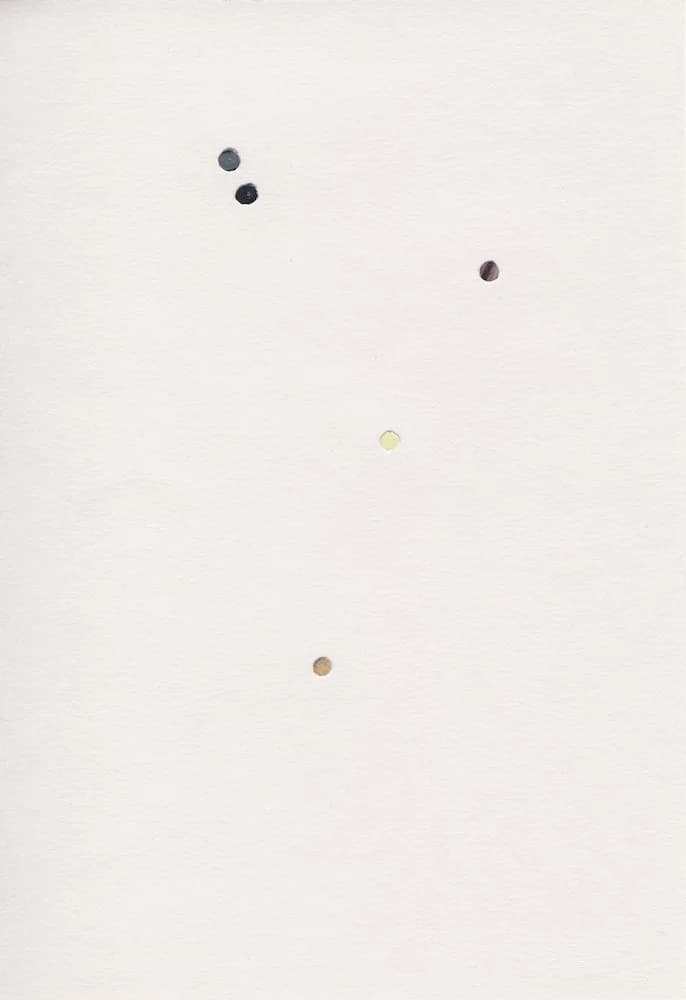
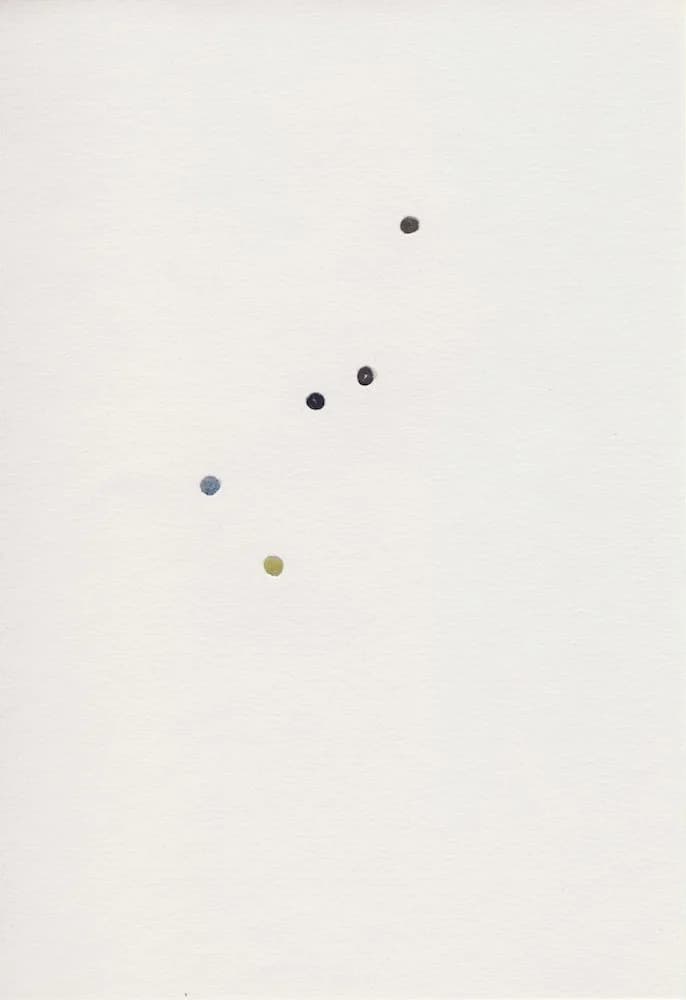
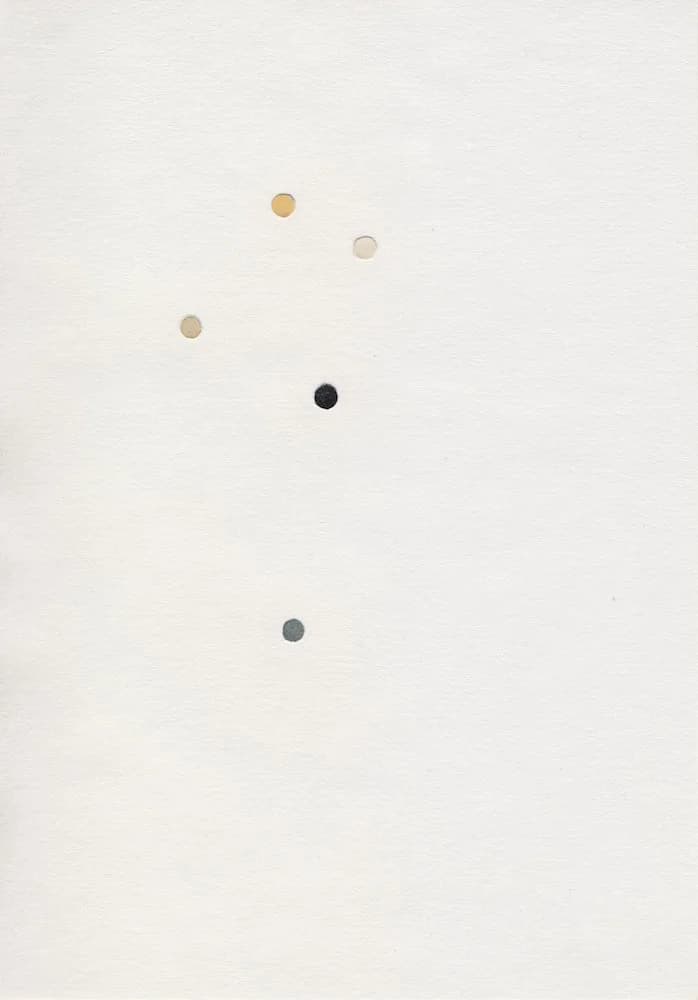
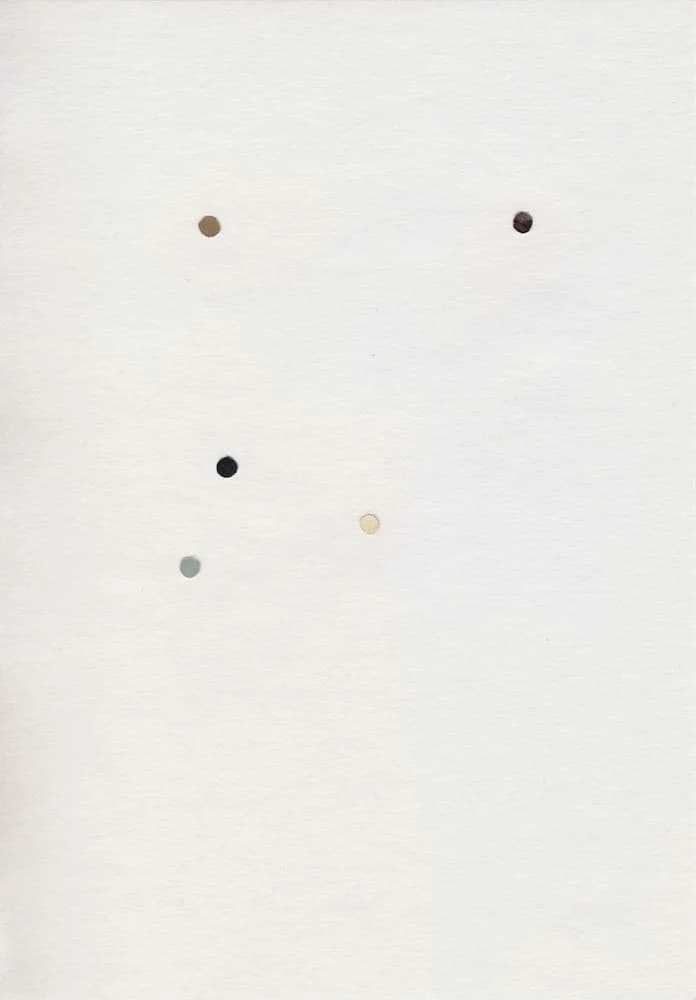
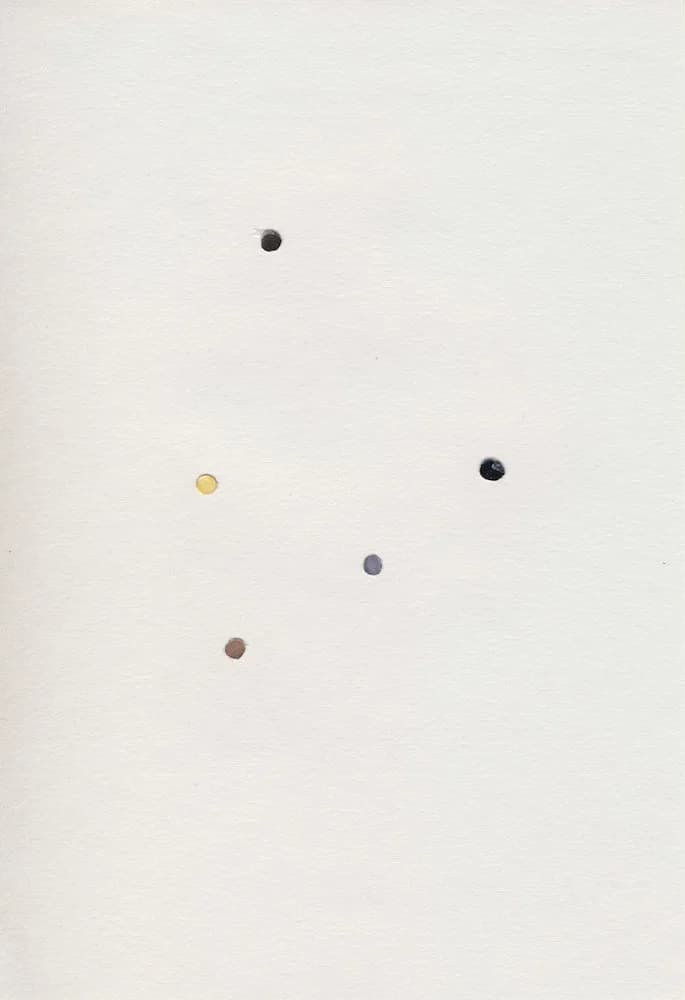
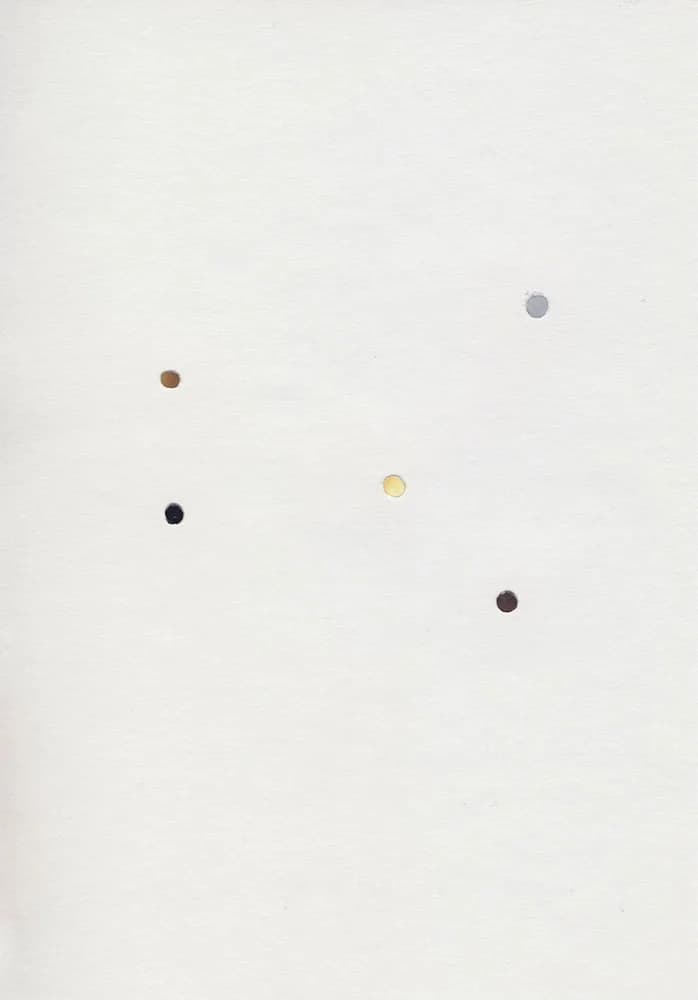
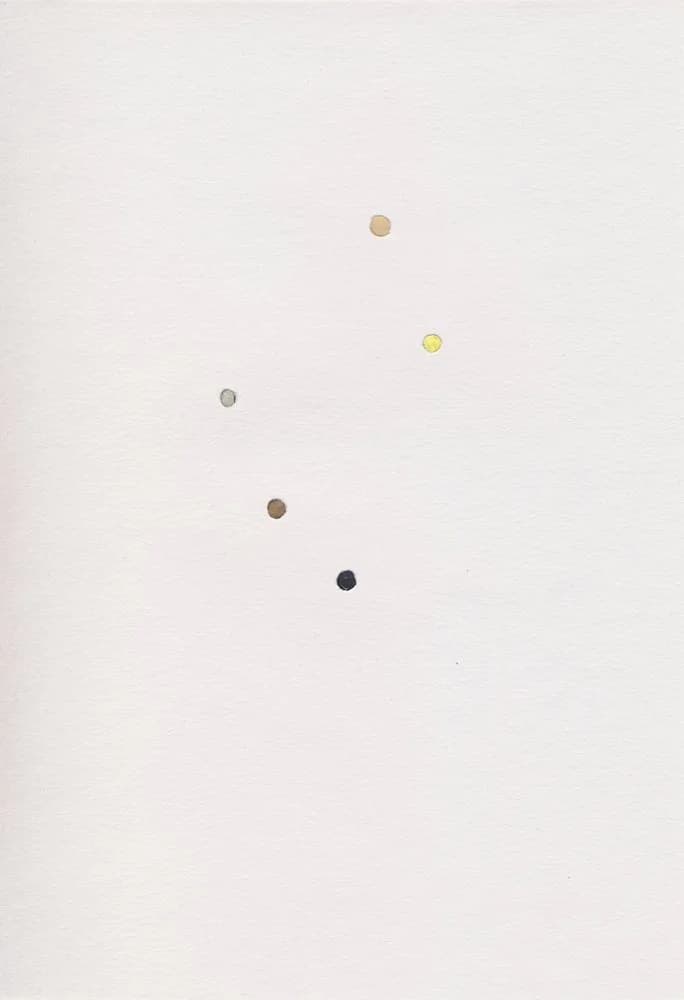
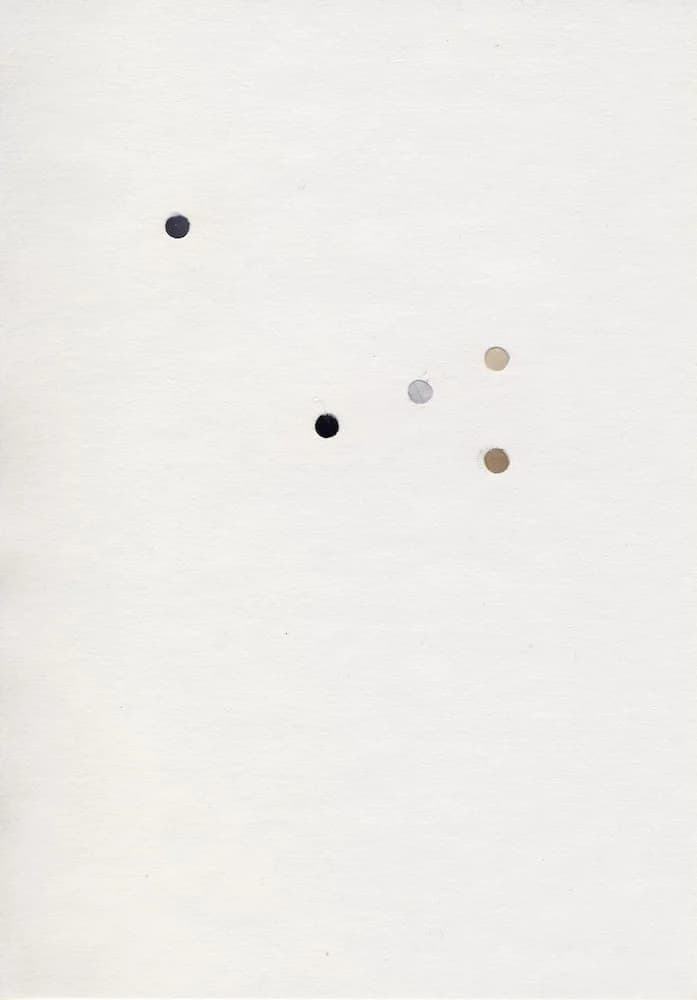
Image rich, and with a carefully selected colour palette, these publications are intelligently illustrated employing cool architectural photography with tautly corrected perspective - and no lens distortion - these images key into our knowledge both of art (via Edward Hopper and Bernd and Hilla Becher) and of cinema. These guides serve as golden ticket enabling us to project our lives into places that we will probably never visit, with the secondary function that they look good on our bookshelves advertising our cosmopolitan worldliness in a compact row of Pantone neatness. In Hotel Series Campbell carefully collages tiny circles cut directly from images depicting hotel interiors from different cities. Each dot is placed on white paper in the same layout as the original photograph and in each case Campbell has only selected one blue, one yellow, two browns, and a black, creating an new reading of the photos through her ambiguously seductive minimal constellations that reflect on the banal nature of international interior design.
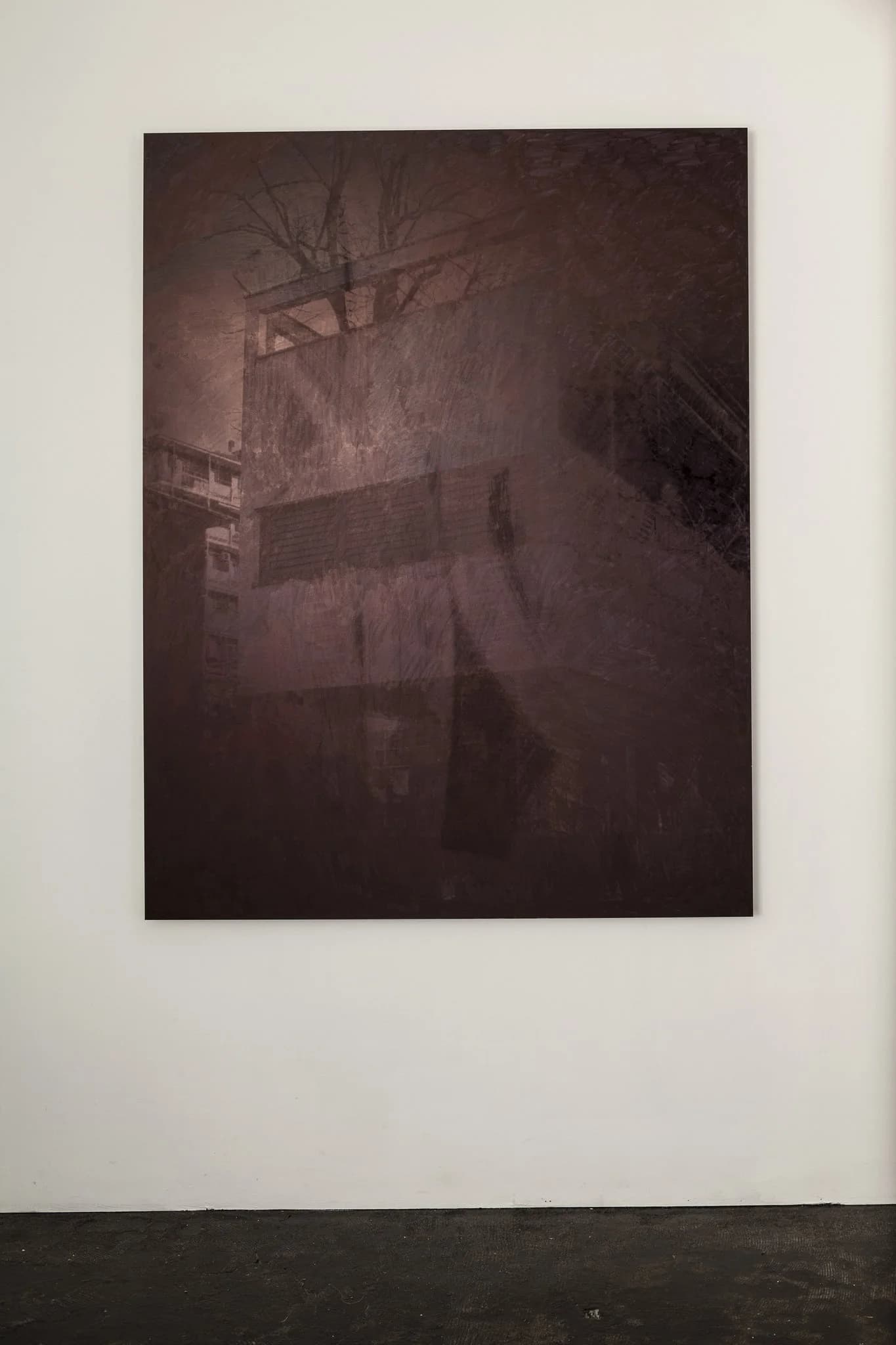
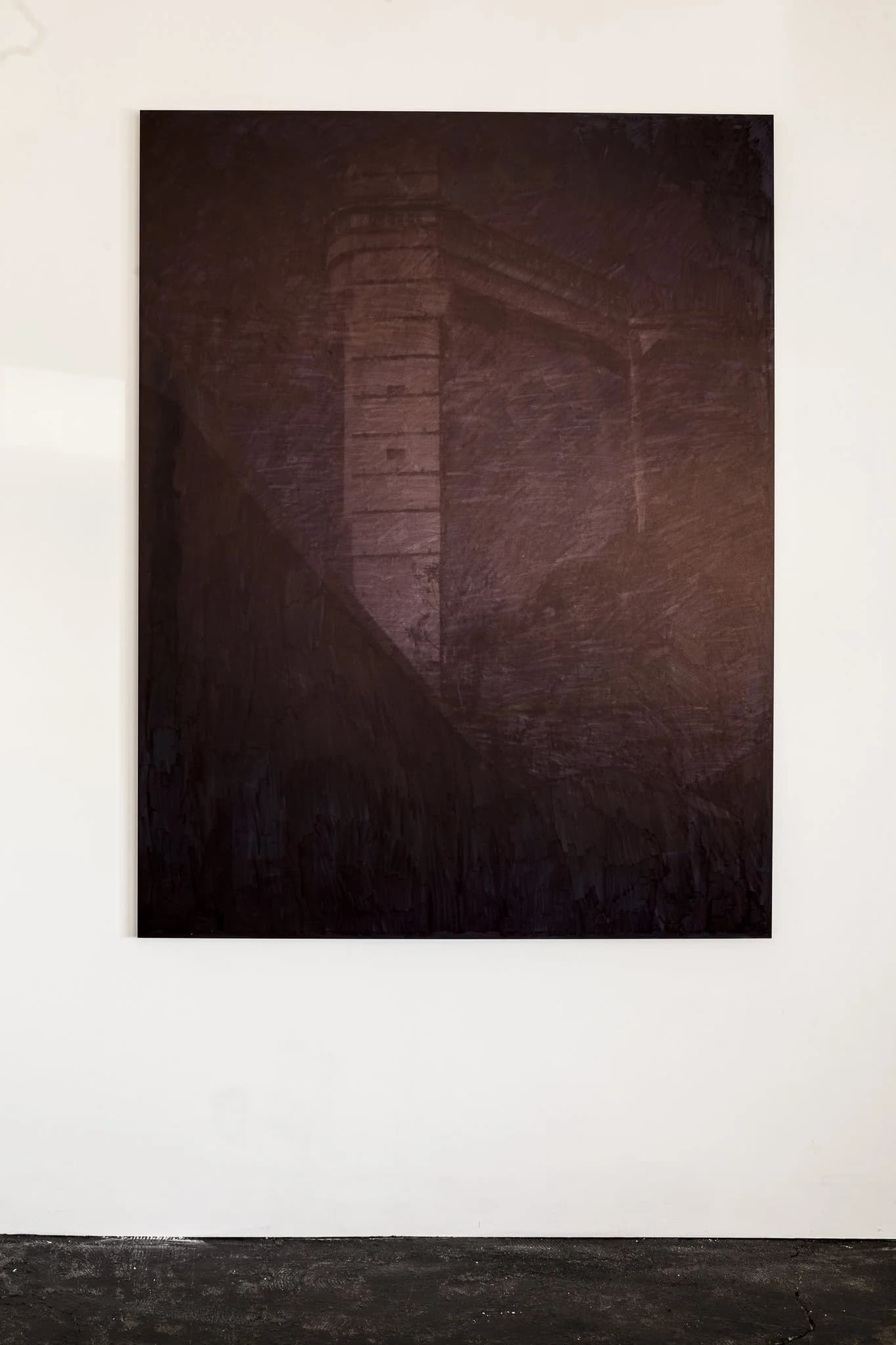
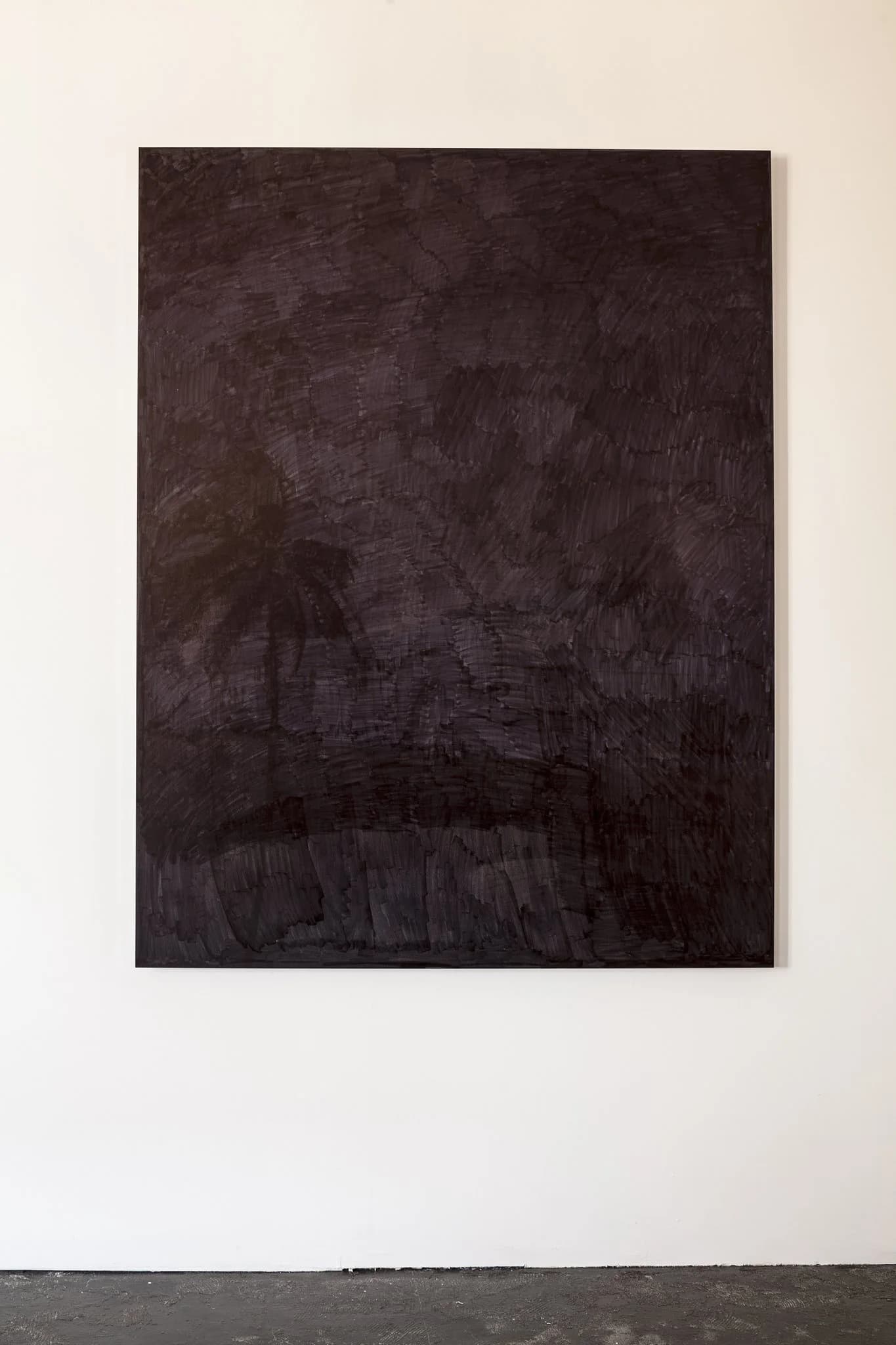
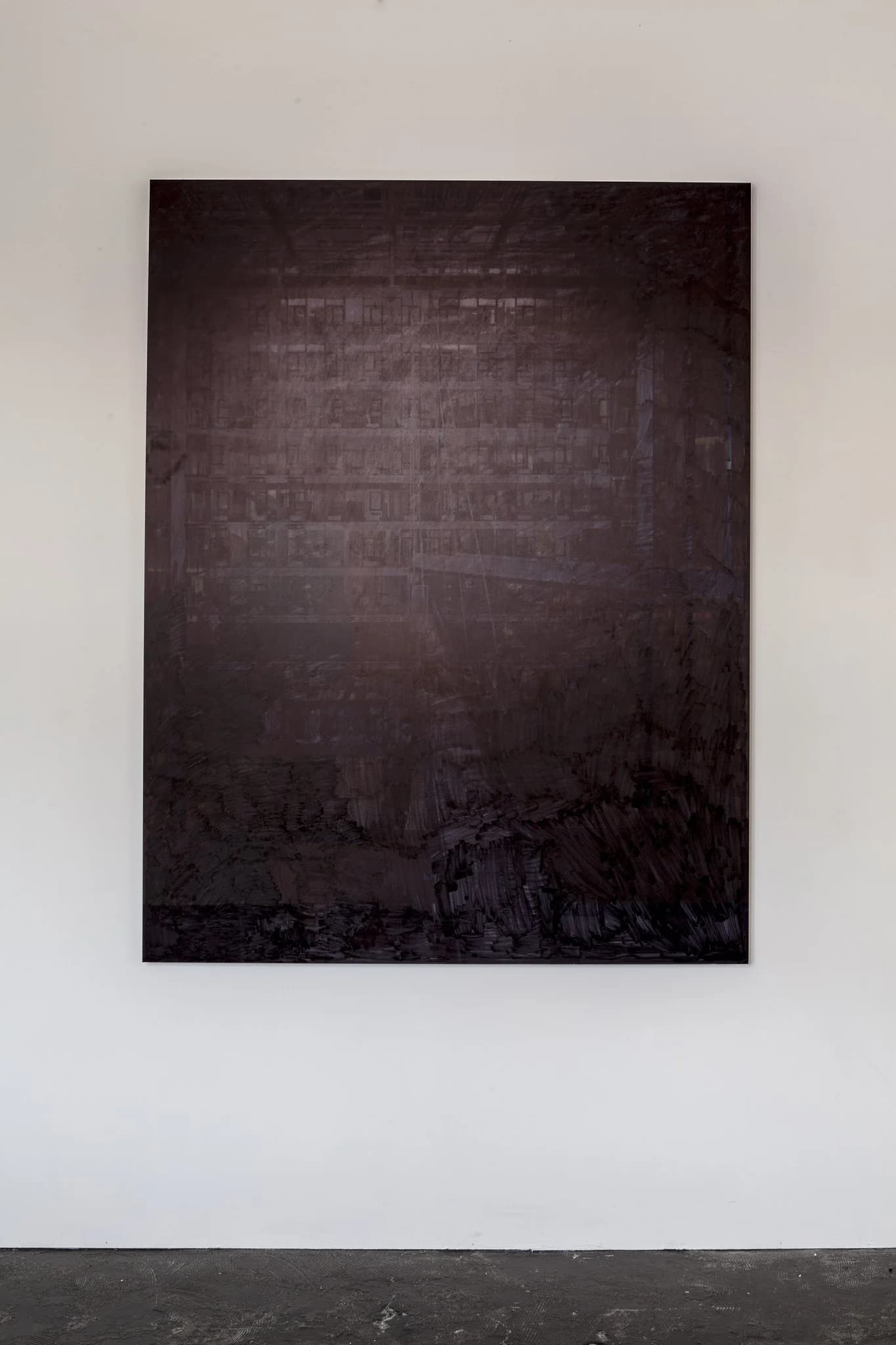
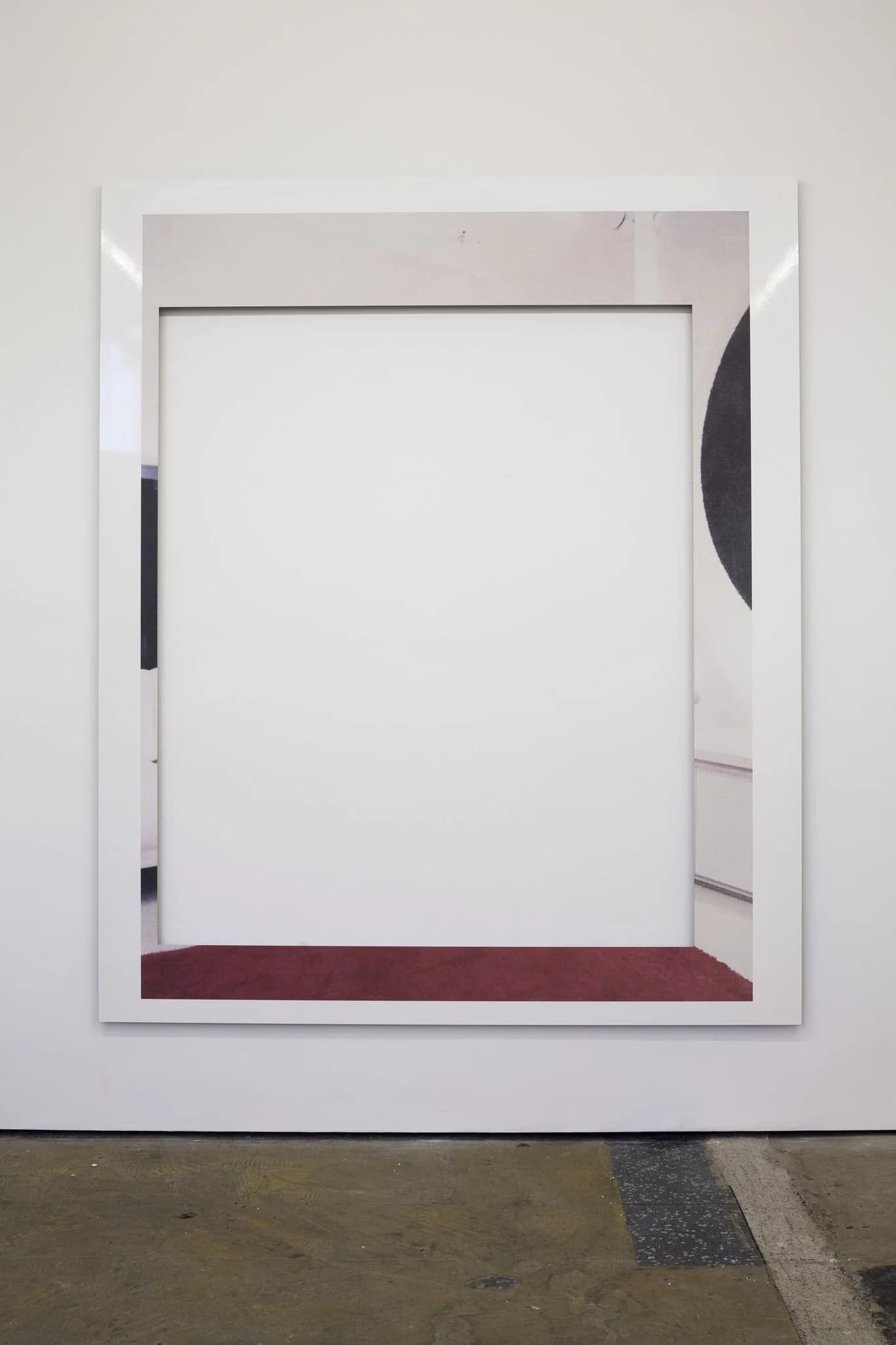
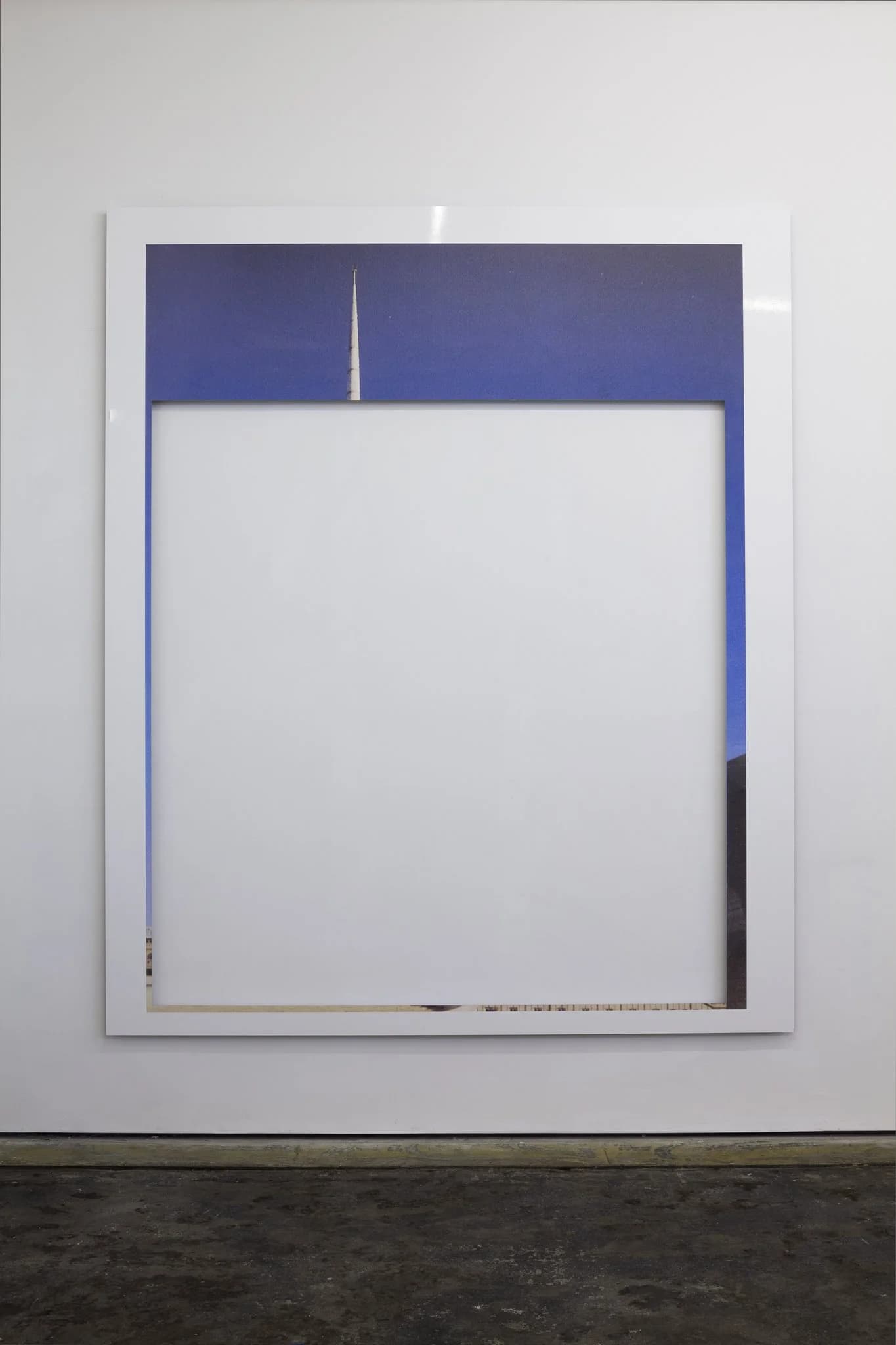
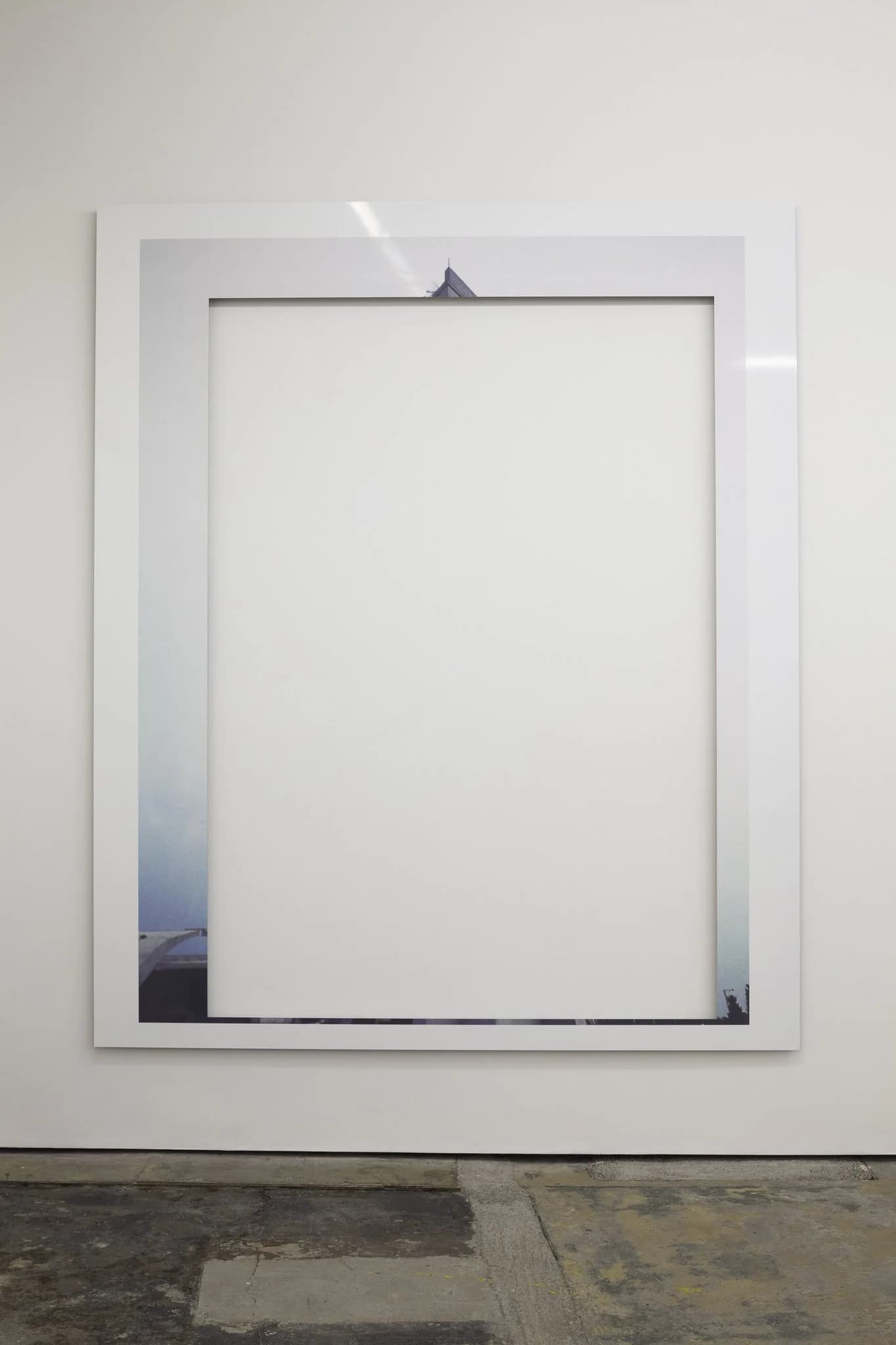
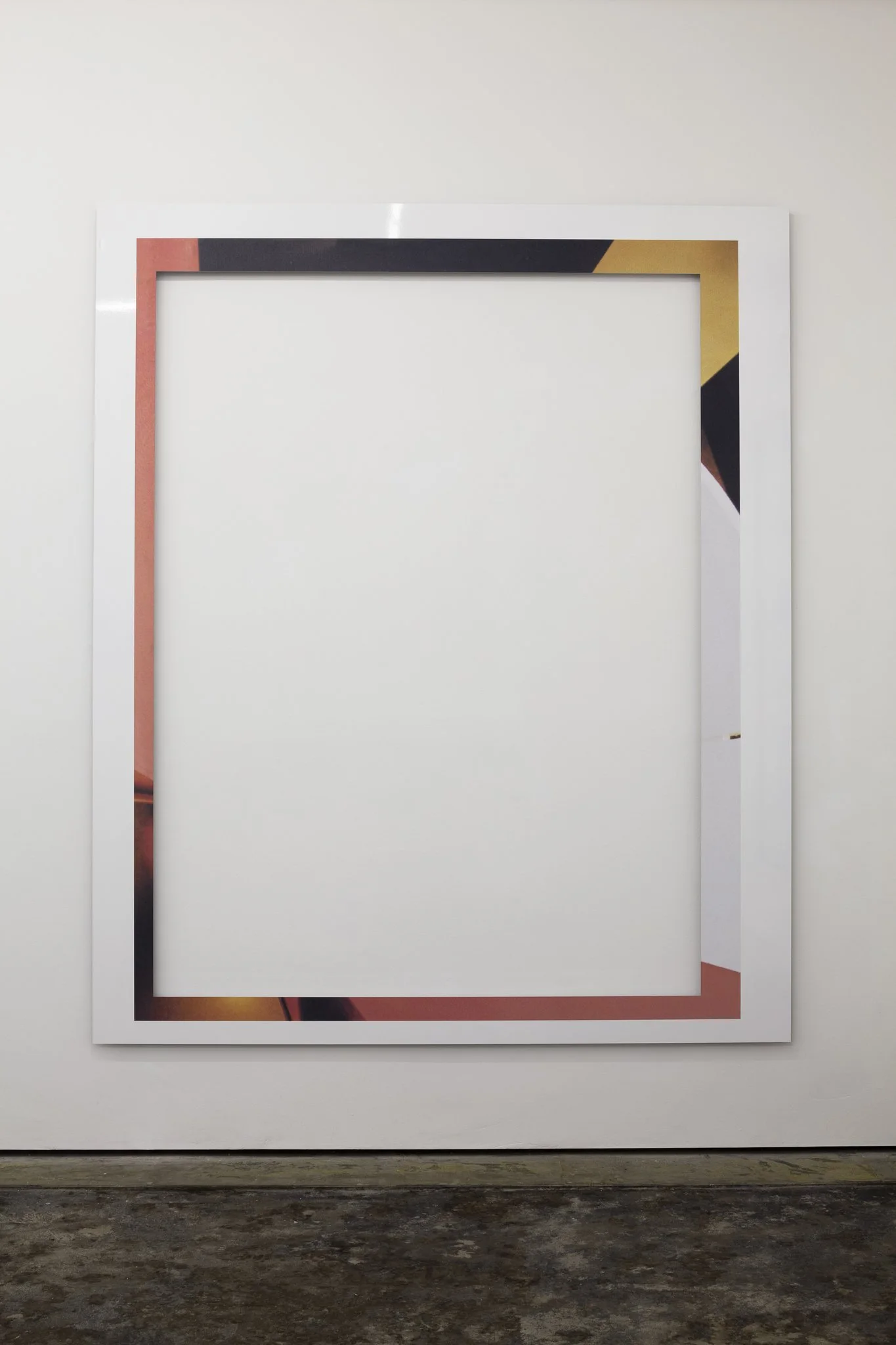
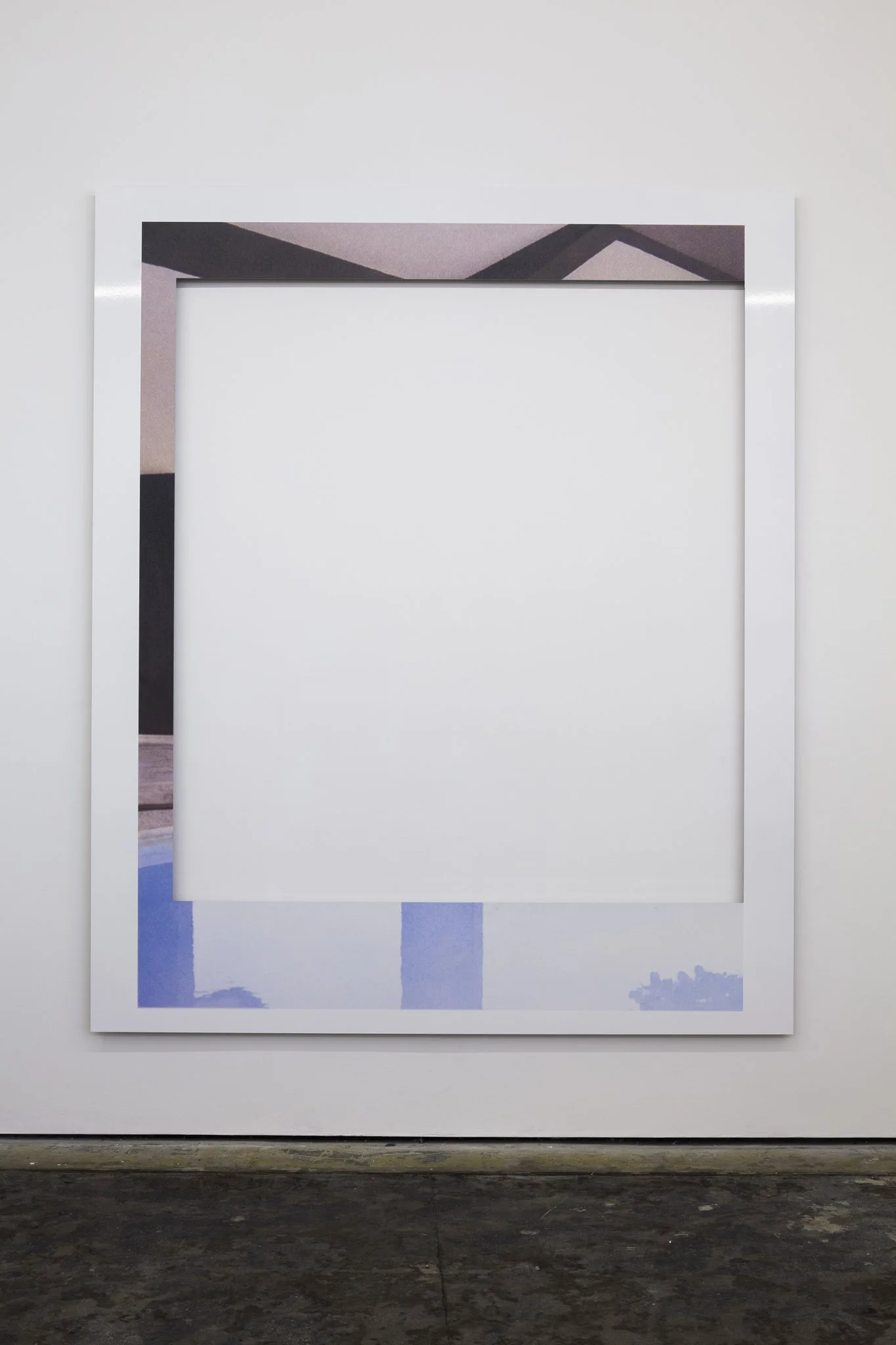
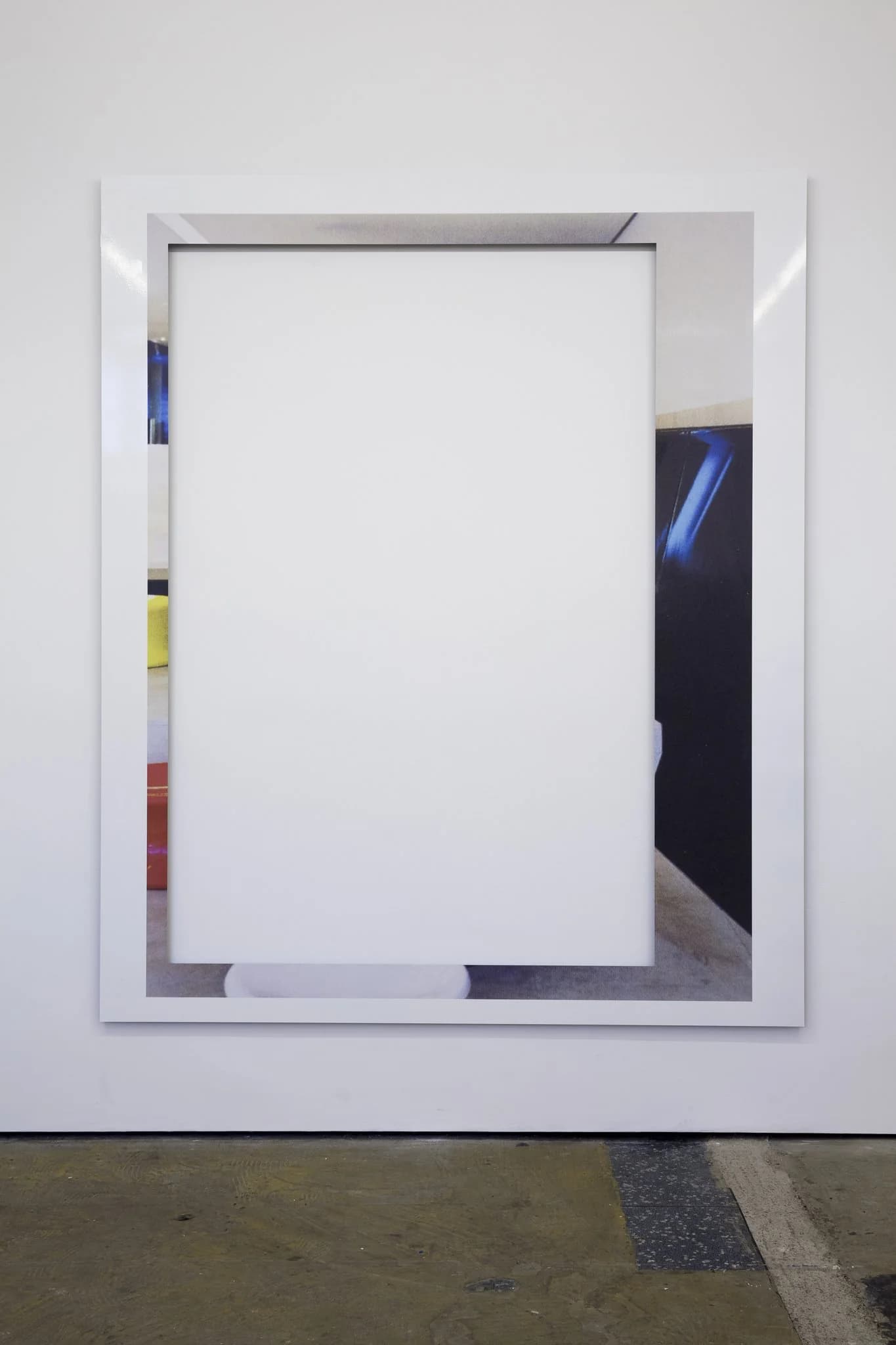
In stark contrast to these delicate collages Campbell has created a series of dramatically enlarged found images UV printed onto powder coated aluminium entitled For I have known them all already, known them all. Each image, selected from a travel guide, has then been almost entirely removed to leave an aperture surrounded by a border of abstract colour and shape that relates more to the history of abstract painting than to the photographic source. This relentless interrogation of such a specific source and subject matter is continued in an untitled series of works that again sit deliberately between contemporary art’s disciplines and conventions. Photographic images are again printed onto aluminium however this time Campbell has aggressively obliterated each image entirely with spray paint, limiting our engagement with the photograph by rendering it as a subtle ghost image only just visible through the painted surface.
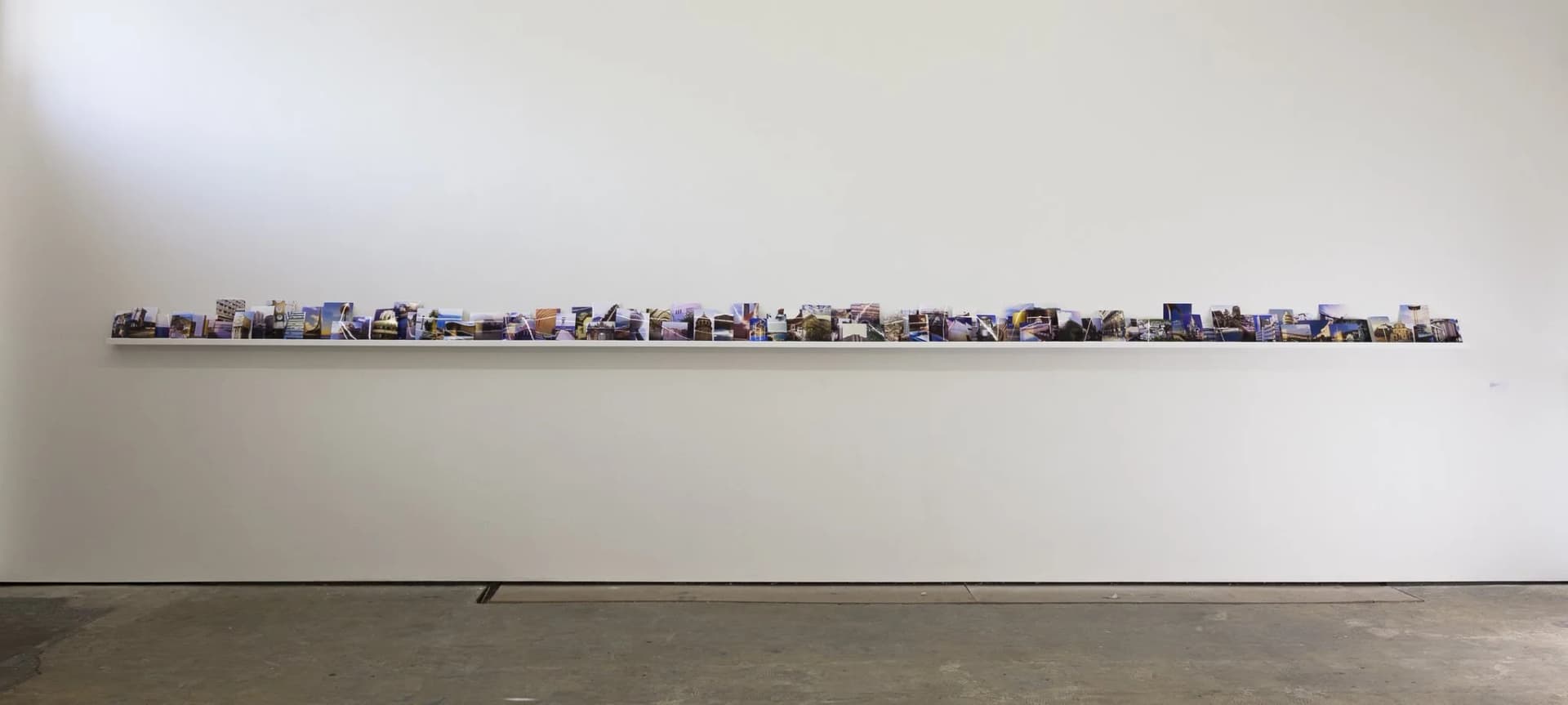
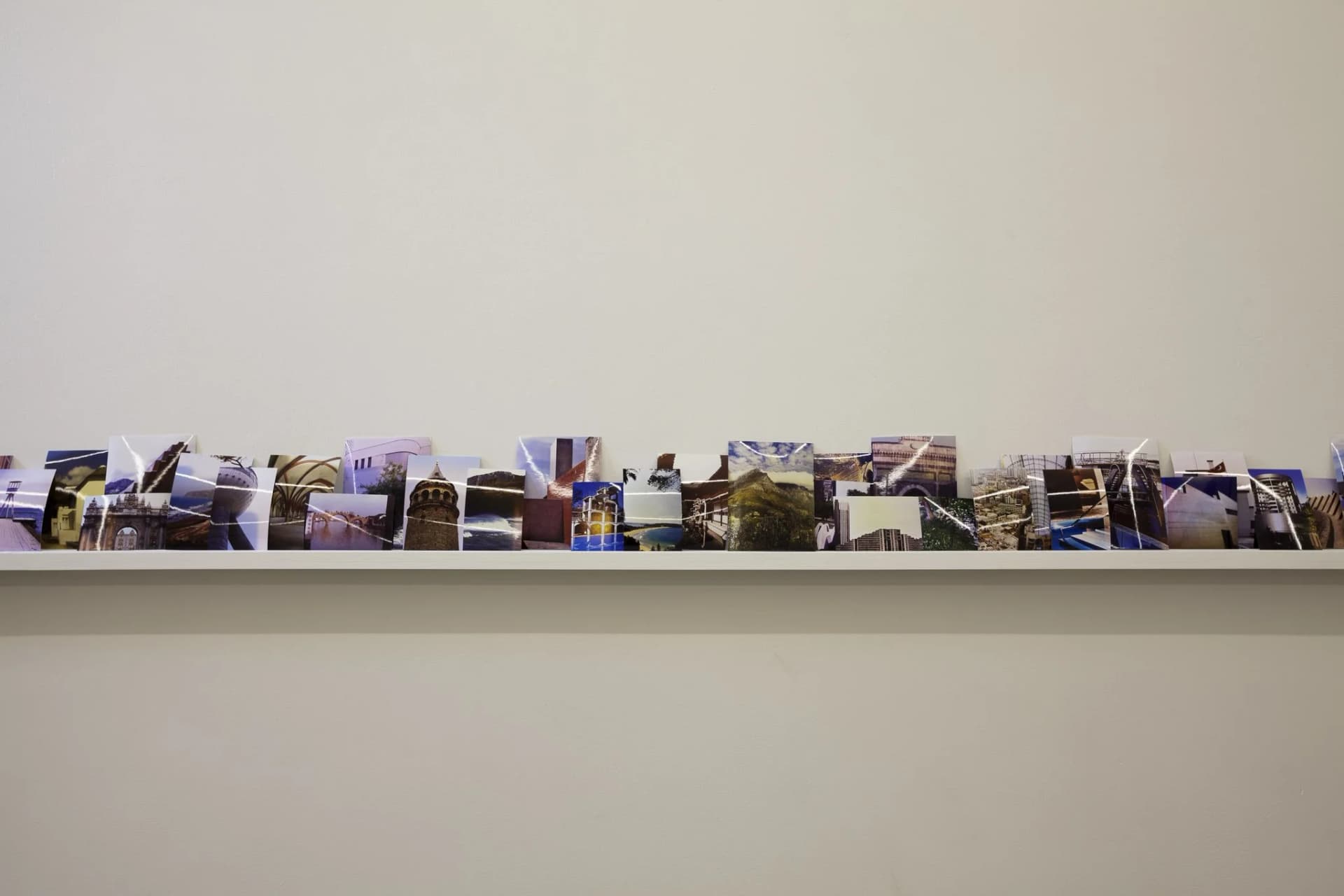
Cath Campbell’s practice to date is dominated by an ongoing enquiry into the status, meaning and fabric of architecture and public space. Taking Modernism as a point of departure Campbell has consistently re-appropriated architectural imagery to create works that reinvent our associations with the built environment. And We said nothing, all the day continues this analysis from the privacy of her dining room table. The work is an ongoing unlimited series of photographs that are presented stacked and leant along a narrow shelf. Taking it’s title from a line in John Donne’s poem The Ecstasy each photograph is of another photograph chosen as if Campbell is a tourist looking around the city portrayed, taking snaps of things that catch her eye. These Lo-Fi images, which often include the reflection of Campbell and her camera, serve to undermine the status assumed by the original imagery.
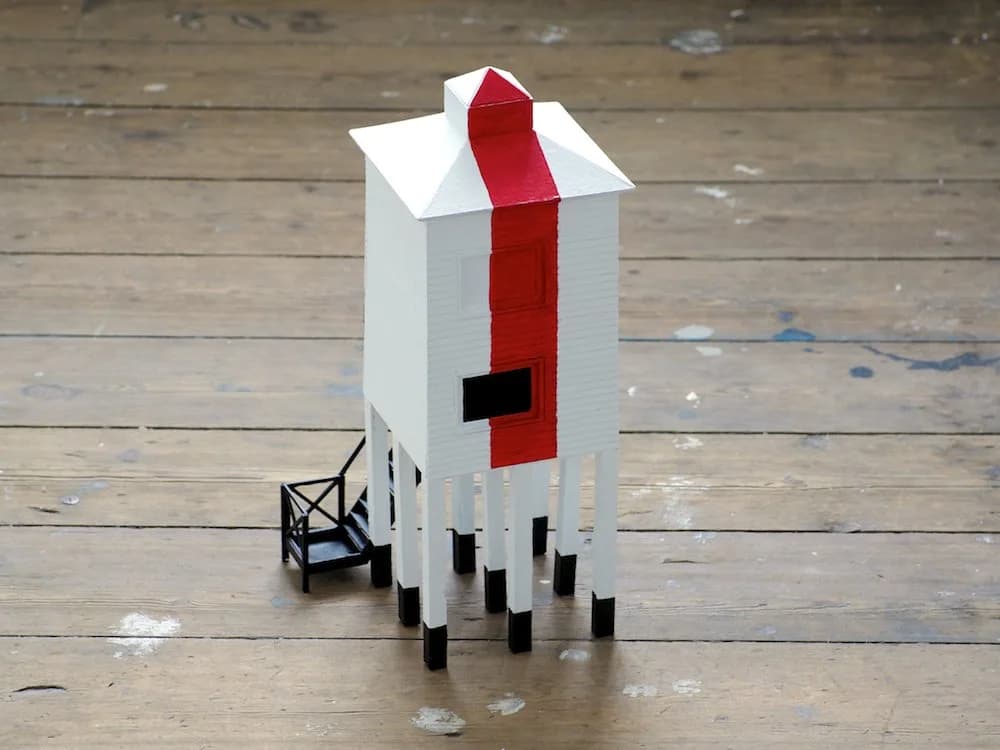
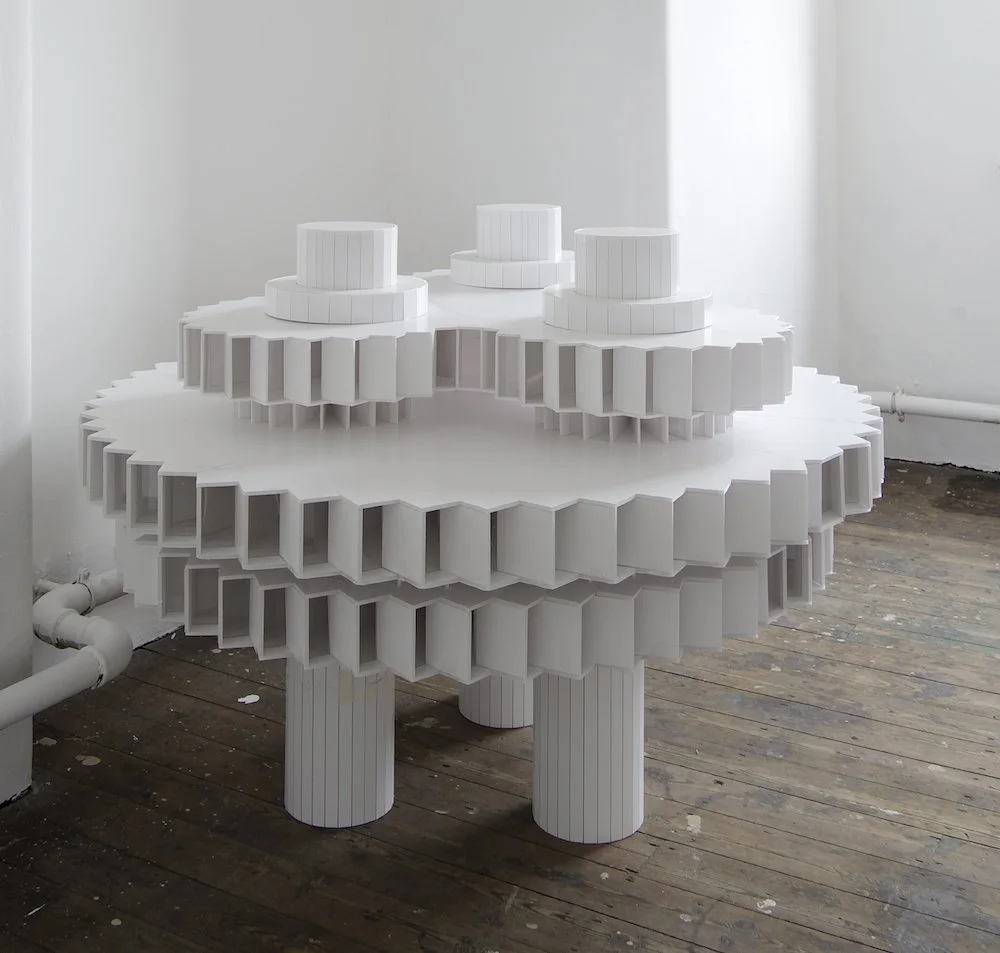
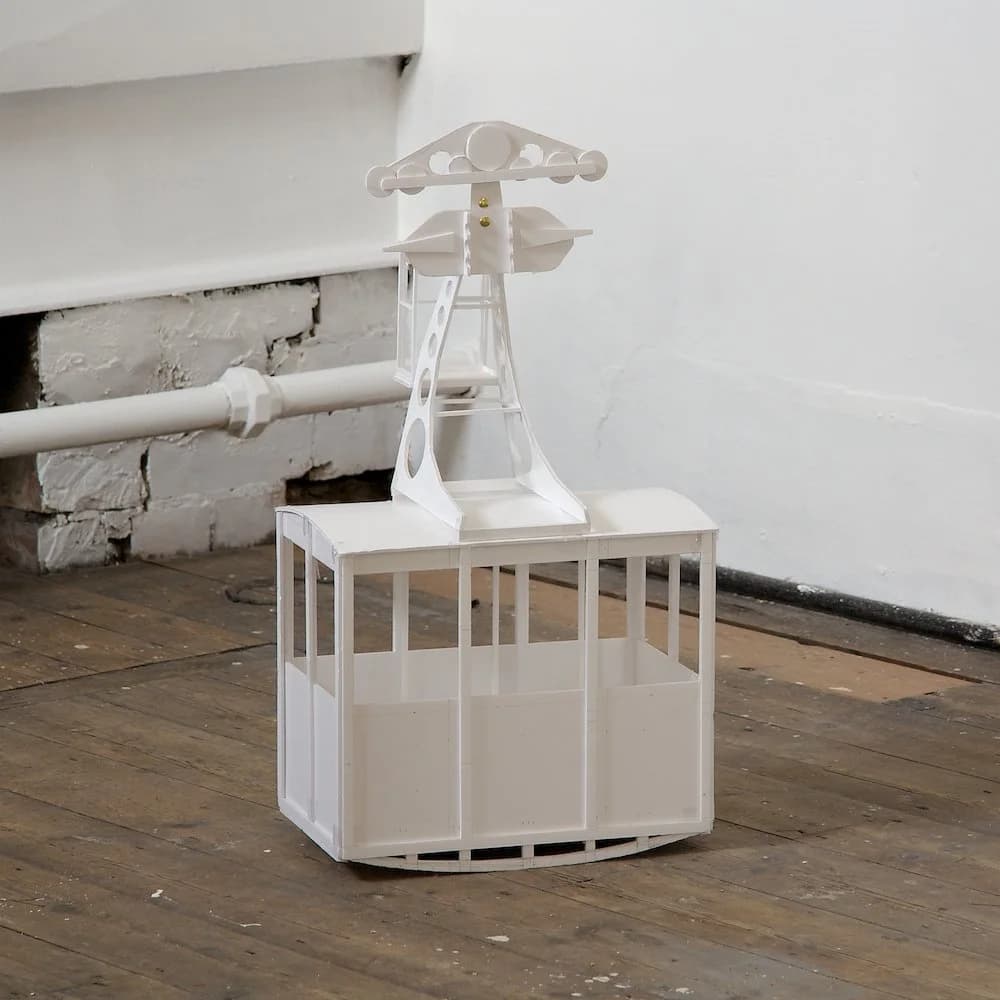
Alongside these photographic works, Campbell presents a number of new sculptures continuing her interest in recreating found architecture as scale models. Information gleaned from anonymous Google images is used to piece together three-dimensional form from two dimensional images, allowing an element of editing, adding and deleting to create an object that acts as a credible architectural form.
Ideal Mexico, a chance but fitting title taken from the model name of the old central heating boilers in the gallery building, invites us to question the relationship between reality, desire, and experience, challenging the superficiality and formality of our endless appetite for images depicting and describing how our lives would be in an ideal world.
Artworks
Cath Campbell
Cath Campbell