The Shape of Things
28 November 2025 - 24 January 2026
Workplace, London
- Venue
- Workplace
- Date
- 28 November 2025 – 24 January 2026
London,
United Kingdom
Workplace is pleased to present The Shape of Things, a group exhibition including work by Malcolm Bradley, Bob Law, William McKeown, Lizzie Munn, Salvatore Pione, and Ki Yoong.
The Shape of Things considers material presence and poetic restraint - where object, surface, and sensation converge. Each artist engages with materiality not merely as medium but as subject: a site of transformation, reverie, and resistance. Together, their works invite a reconsideration of how form can hold emotion, how minimal gesture can evoke depth, and how the physical artwork, in its quiet persistence, can become a vessel for the ineffable.
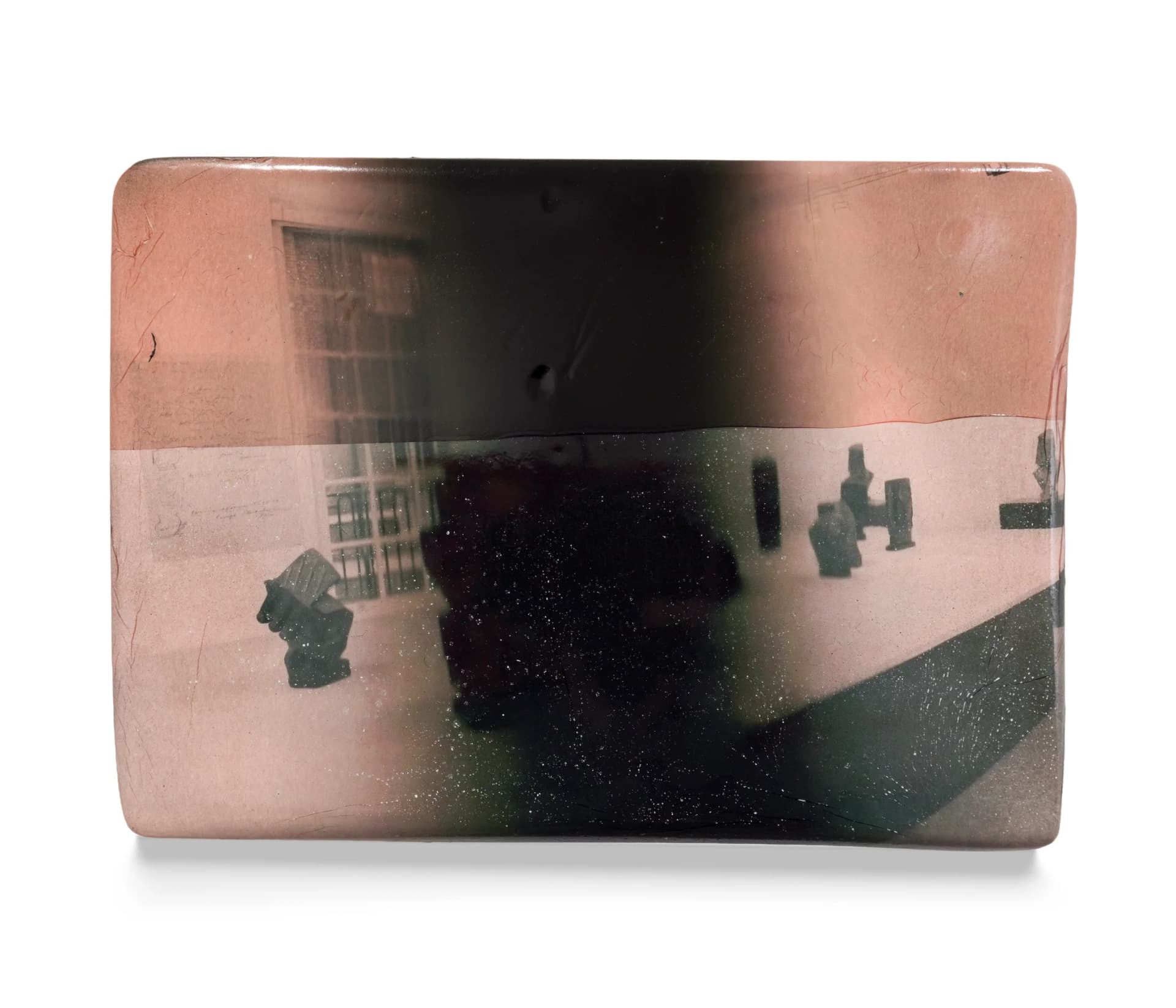
Malcolm Bradley’s practice, which spans photography, video, text and installation, uses collage as a form of visual note taking, to blend research and autobiographical material. Bradley’s recent works have employed an industrial process called hydrographic printing. Commonly used to print images onto three dimensional objects like car parts and toys, Bradley has adopted this technique to make works that hover between sculpture, photography and painting. Often layering multiple images on top of one another, Bradley embraces the slight glitches and mistakes -inherent to the process, which give way to a varying surface texture.
Considered amongst the founders of British Minimalism, Bob Law's work defies easy categorisation and ranges across drawing, painting and sculpture that retains a firm yet always uneasy embrace of pure abstraction. As opposed to the New York-based minimalist artists, Law's practice drew on his engagement with the English landscape and his esoteric range of interests. He produced his 'Field' drawings between the late 1950s and early 1960s in the Cornish landscape of St. Ives. Capturing his experience and drawn while lying on his back, their elemental forms and traditional symbols would set the basis for his work to come. Interests in philosophy, mysticism, alchemy and palaeontology combined with his drive for the reductively essential materialised in the radically monochromatic black canvases that he is most famous for. Rarely ever purely black, these works modulate from blue, to violet and defy photographic reproduction.
William McKeown made paintings, drawings, prints and installations that captured the openness and life-enhancing power of nature. Many of his paintings are scaled roughly to the size of the human chest, as if mirroring the capacity of our lungs to breathe in air. Sometimes presented in ‘room installations’, wooden structures with wallpaper, windows and artificial light that mimic a clinical setting, his works act as windows out onto the world – an escape from the repression and mundanity of everyday life and into the lightness and expansiveness of the sky, using subtle gradations of tone to create moments of exquisite beauty and bliss.
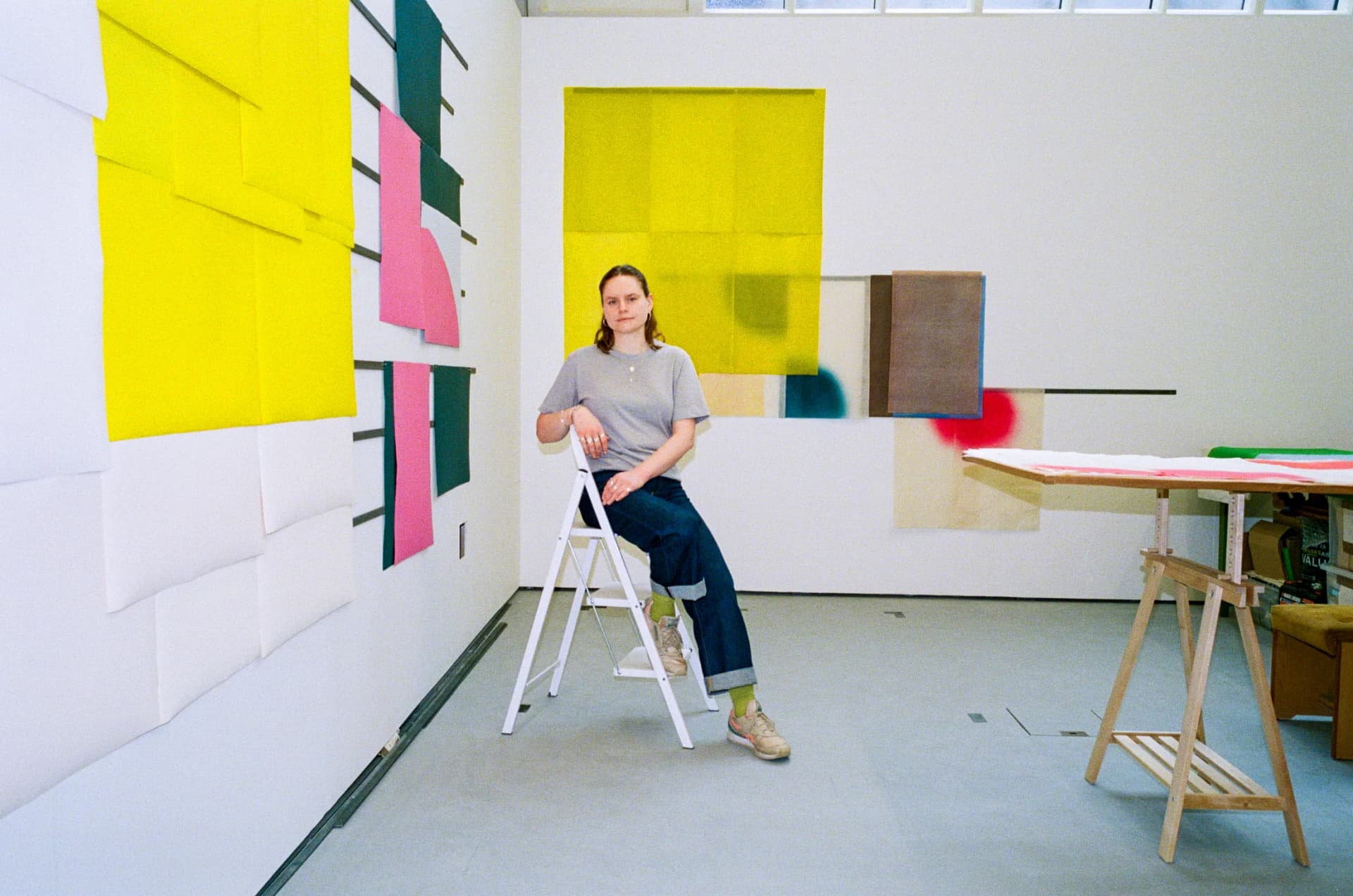
Working across printmaking and installation, Lizzie Munn’s practice adopts analogue processes which distance the hand. Maintaining a somewhat unorthodox attitude to printmaking, Munn generates sequences of monotypes to be employed as units of material matter in an expansive form of image making. Data and information absorbed from the world is processed through this repetitive act of making, embodied in the meditative movements of rolling and pressing. Her attentive approach allows relationships to form through colour, surface and volume. Paper becomes object, to be overlaid and rearranged, constructing modular print-based installations which are shaped by their environment.
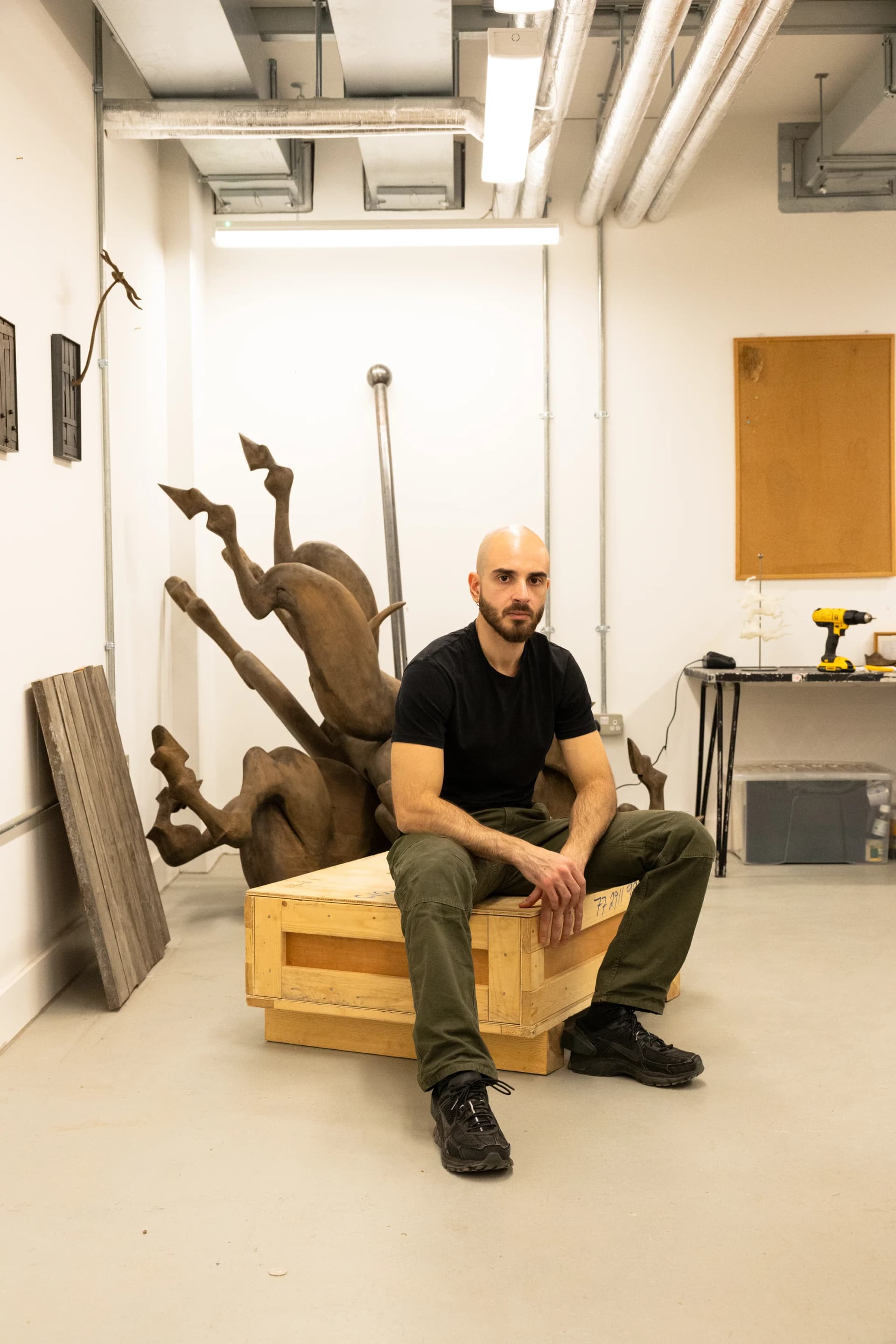
Salvatore Pione’s practice explores themes of labour, materiality, and identity, often drawing on traditional artisanal techniques as a means of connecting with his Sicilian heritage. In his work, craft becomes both a cultural bridge and a quiet act of resistance. Through a queer lens, he reflects on the impact of gender, class, and religion on his upbringing in Catholic Southern Italy. His use of materials serves as a way to reclaim stories, challenge authority, and create space for alternative narratives.
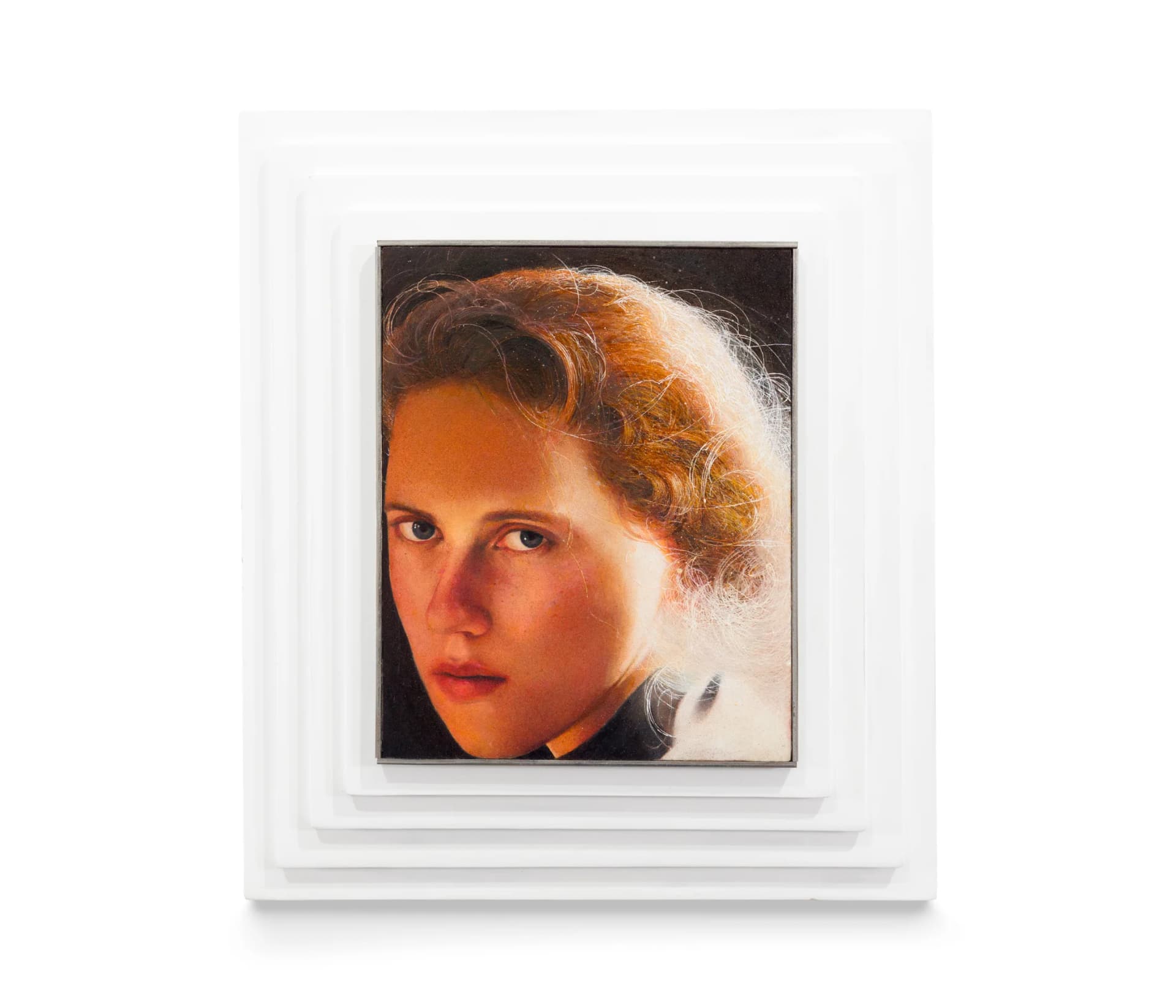
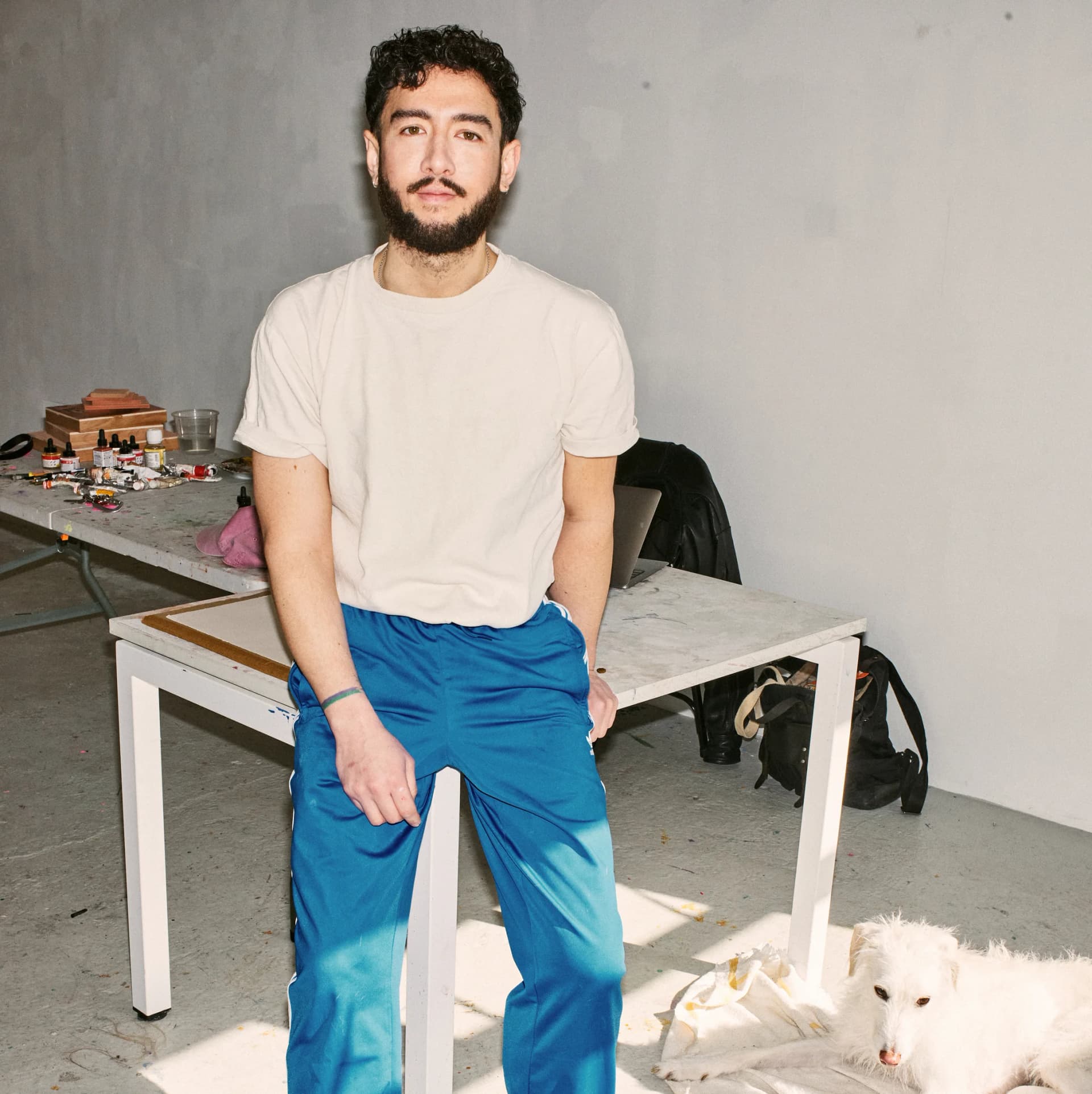
Ki Yoong’s paintings are marked by a quiet tenderness, underscored by his distinctive use of tightly cropped compositions upon found materials including copper, steel, acrylic, and glass. The removal of visual information opens space for projection, inviting the viewer to bring their own associations and memories into the process of looking. His works simultaneously explore portraiture and object making. Rendered with meticulous detail, Yoong’s paintings are constructed from multiple translucent layers of oil paint, each applied with a fine brush in a process akin to drawing. Rather than bold, expressive brushstrokes, Yoong favours subtle accumulation, delicate gestures that coalesce into images that are concurrently precise and ephemeral.
Installation Views
Artworks
Malcolm Bradley
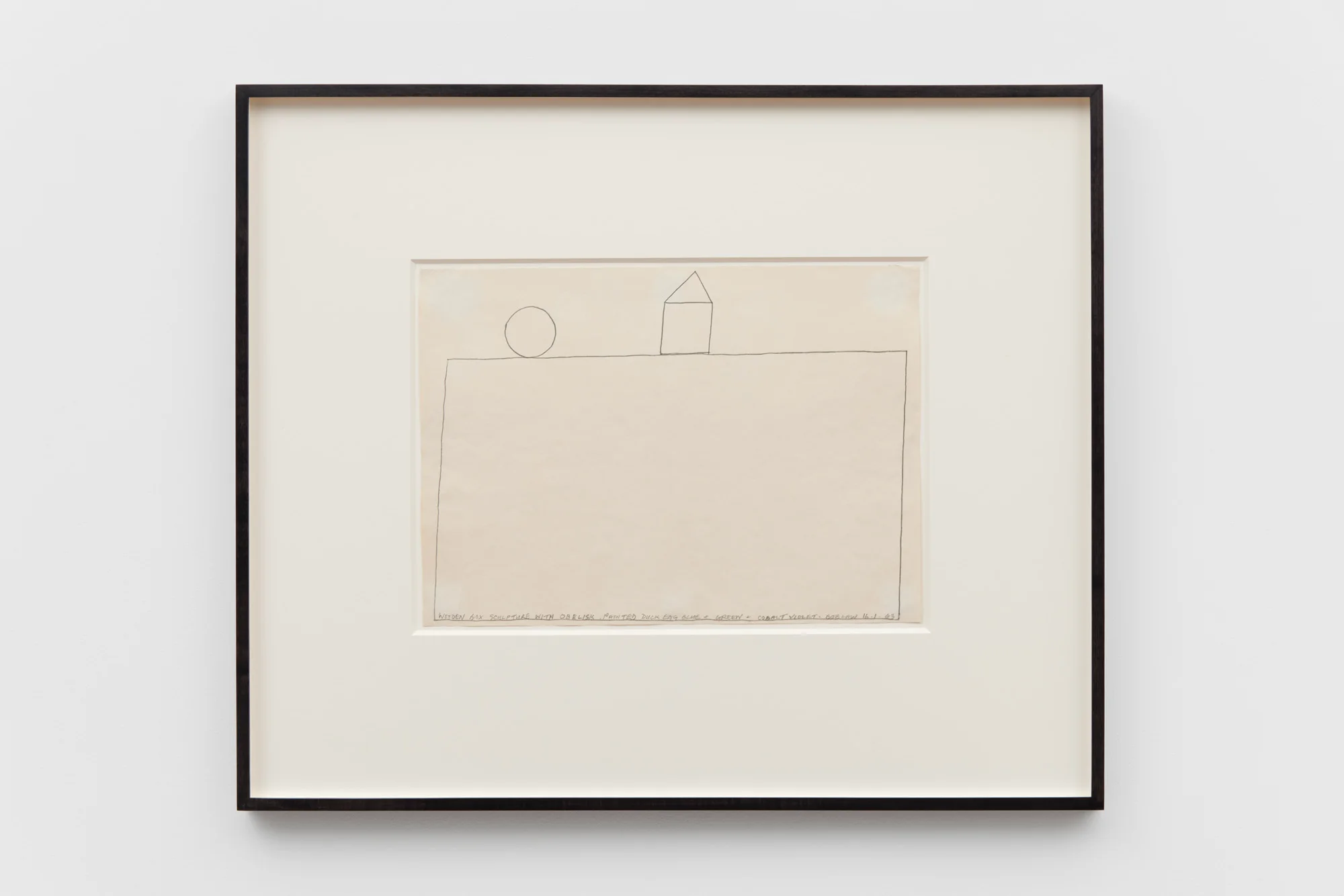
Bob Law
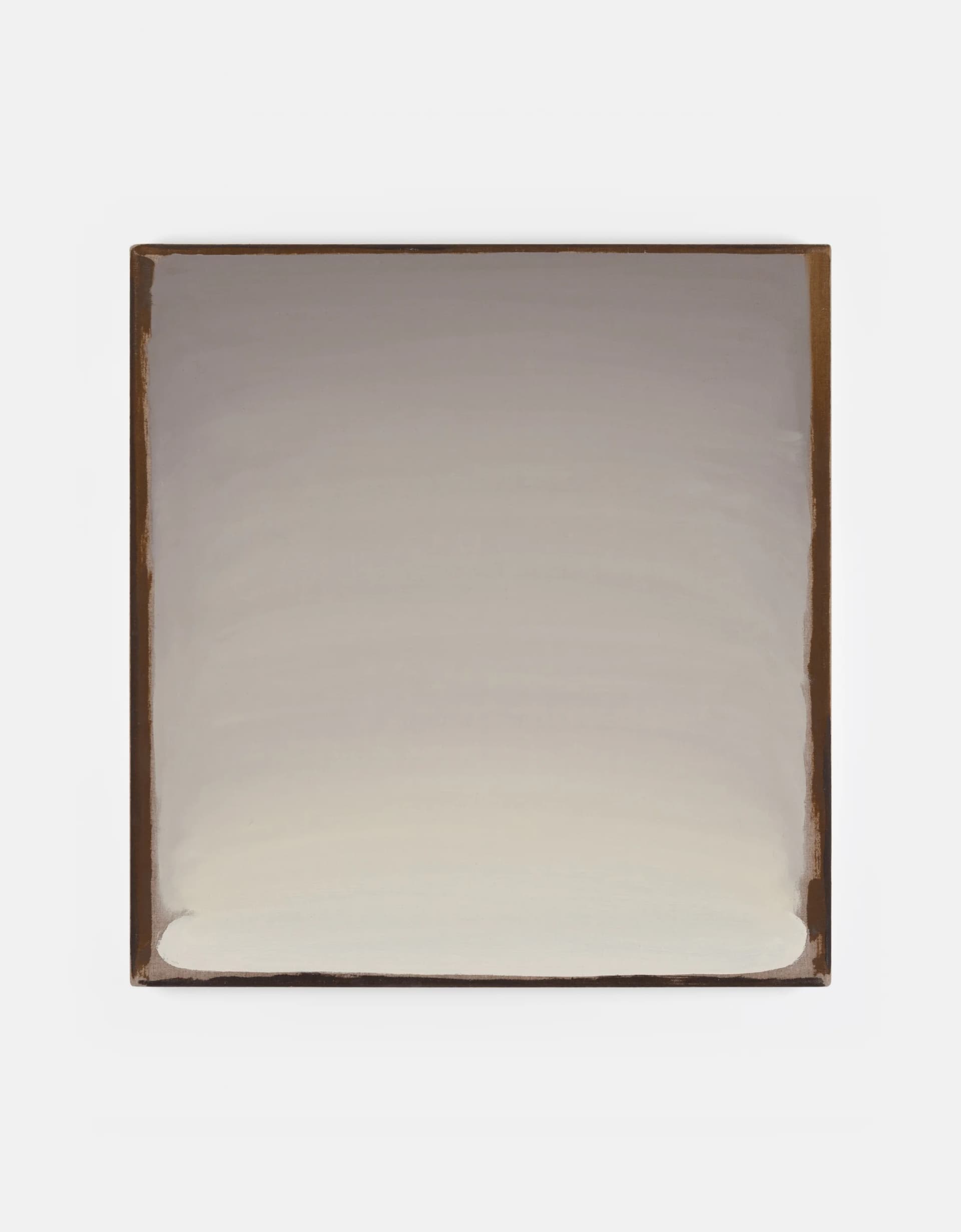
William McKeown
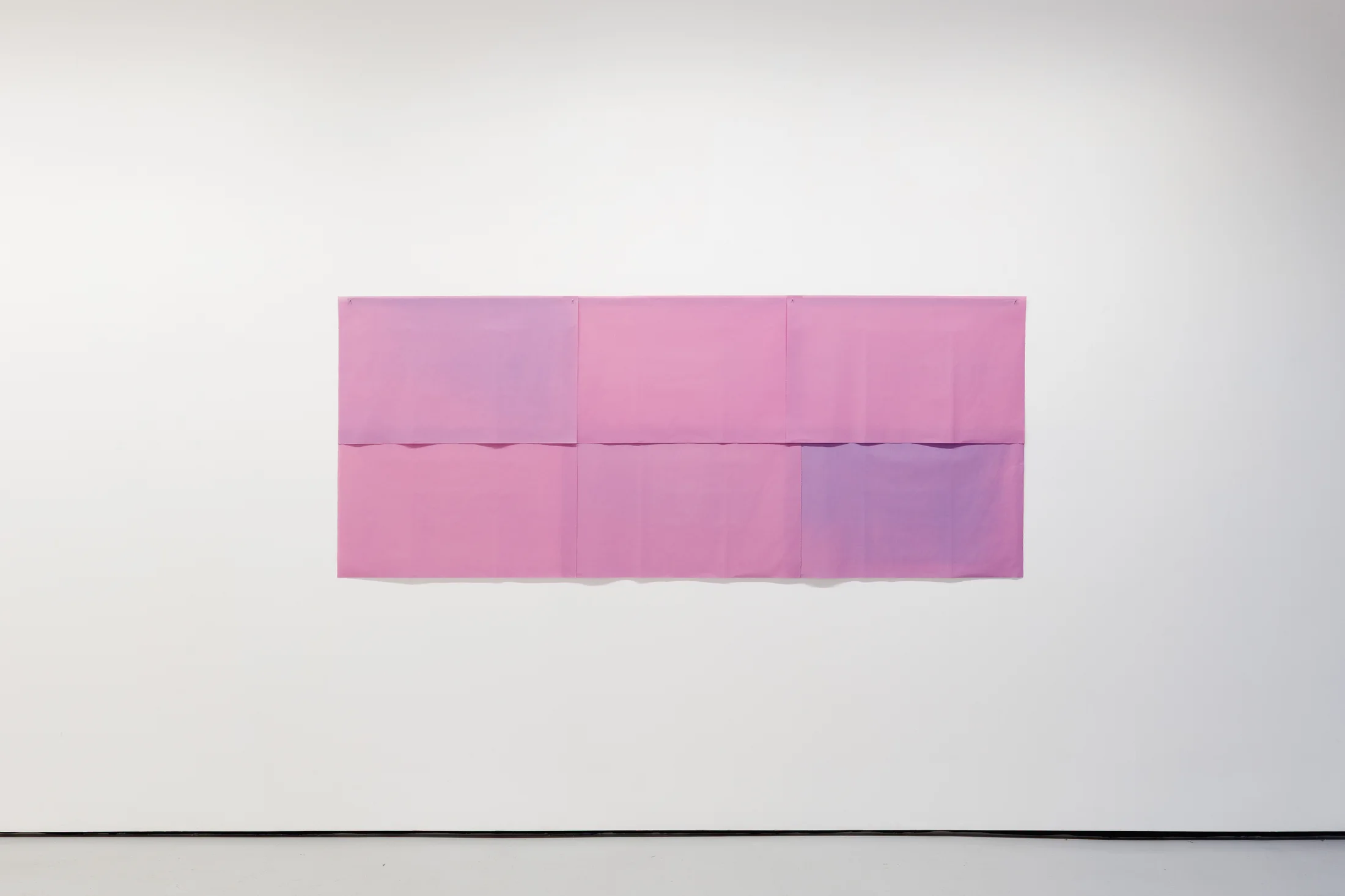
Lizzie Munn
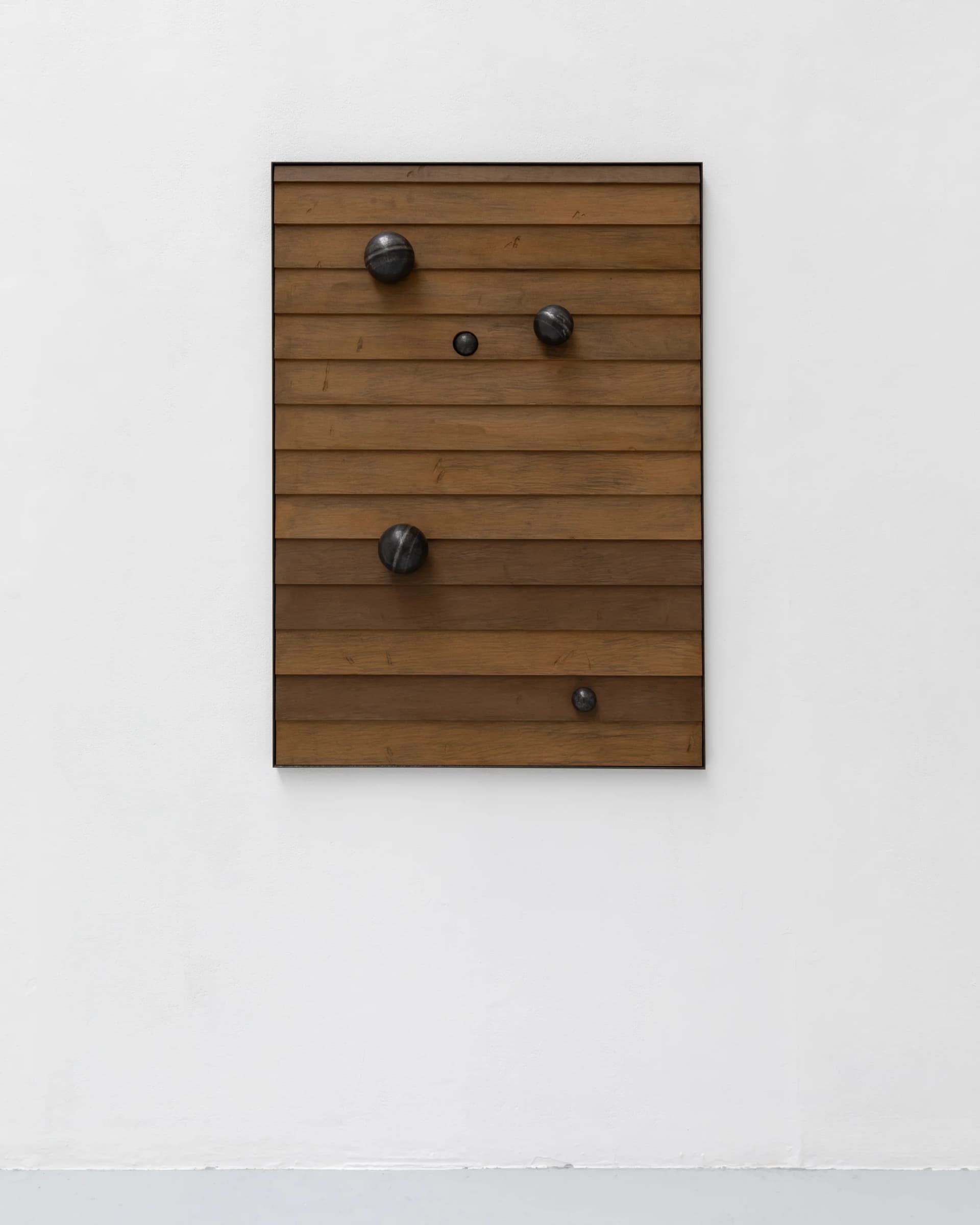
Salvatore Pione
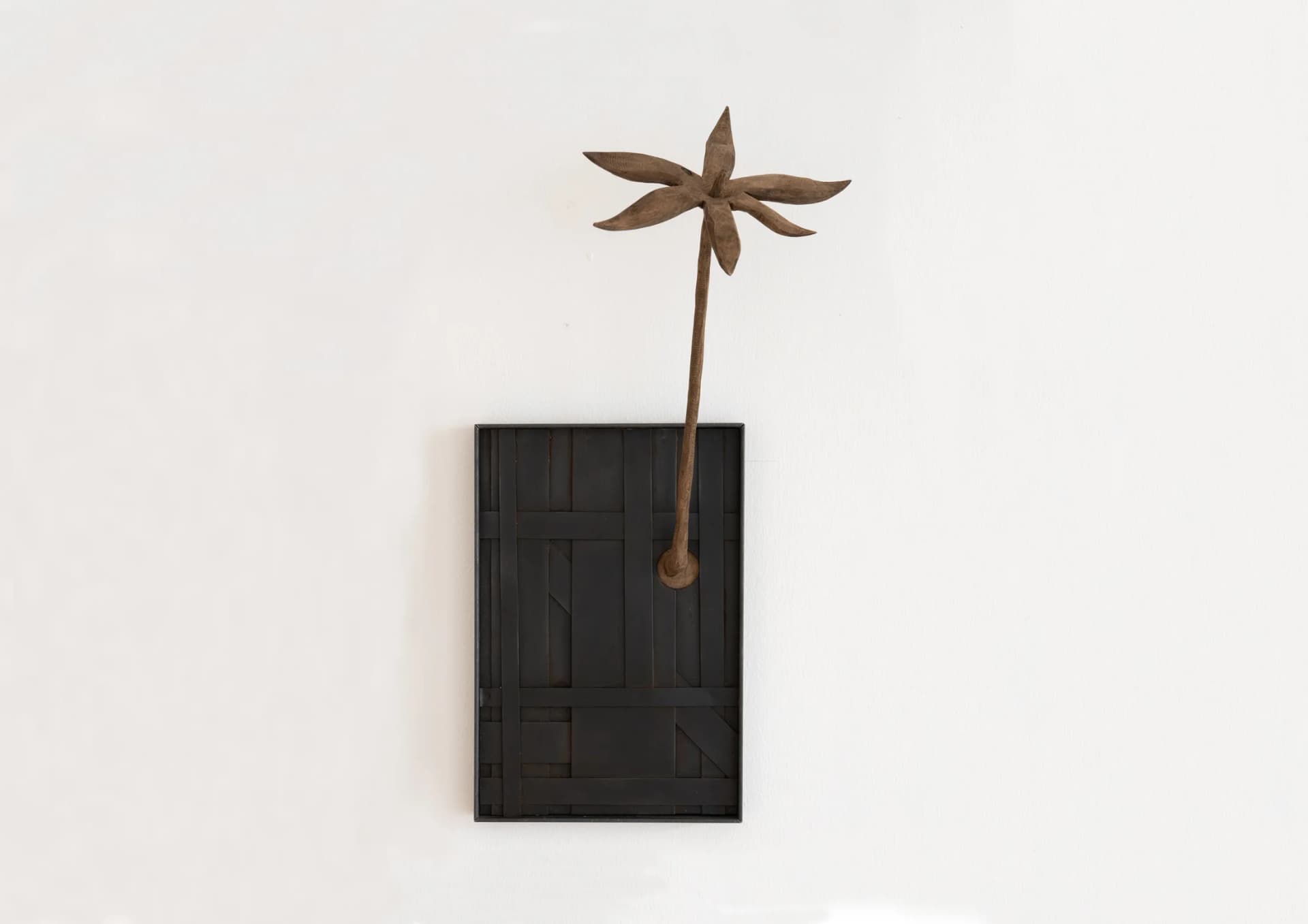
Salvatore Pione
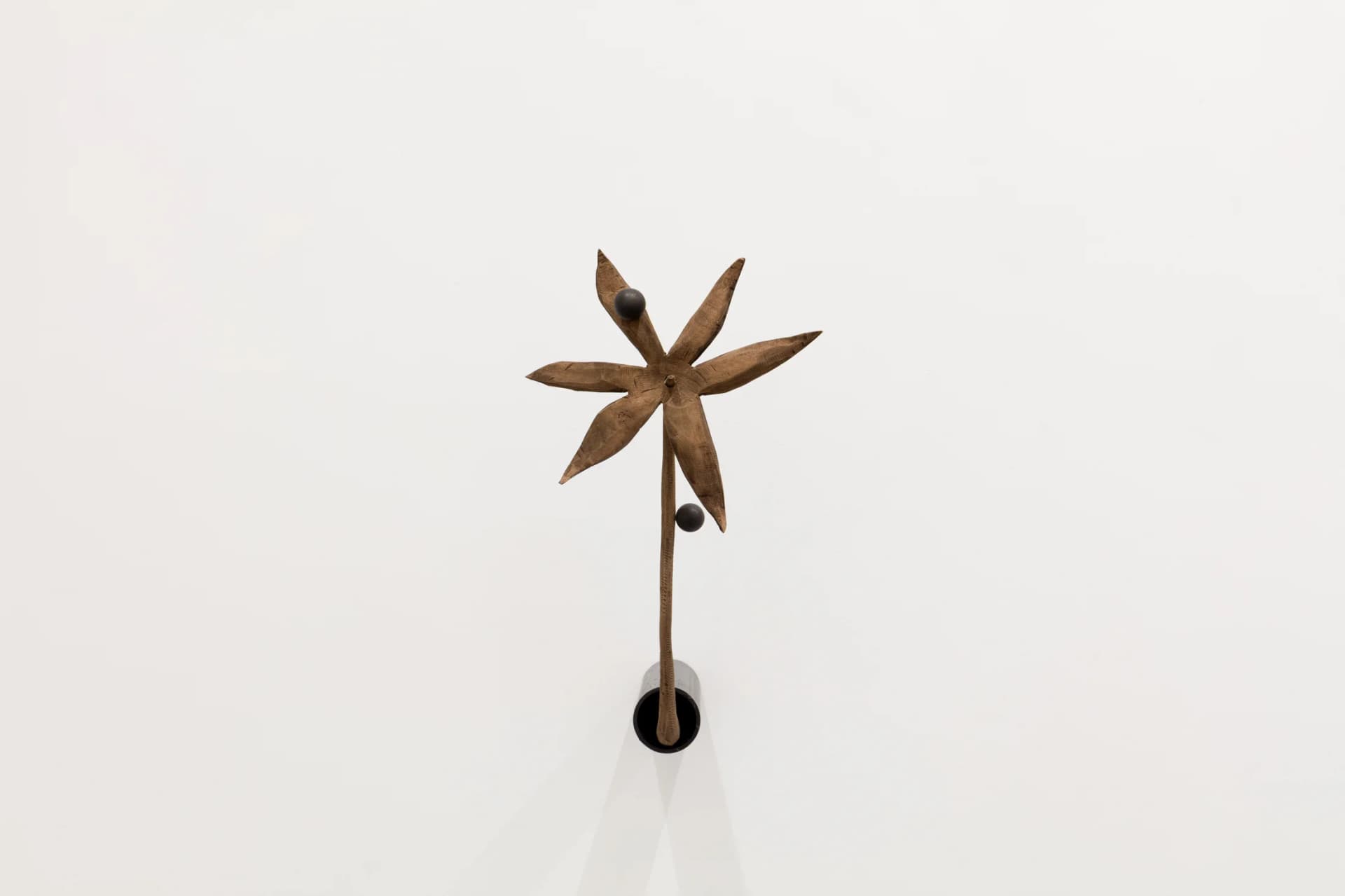
Salvatore Pione
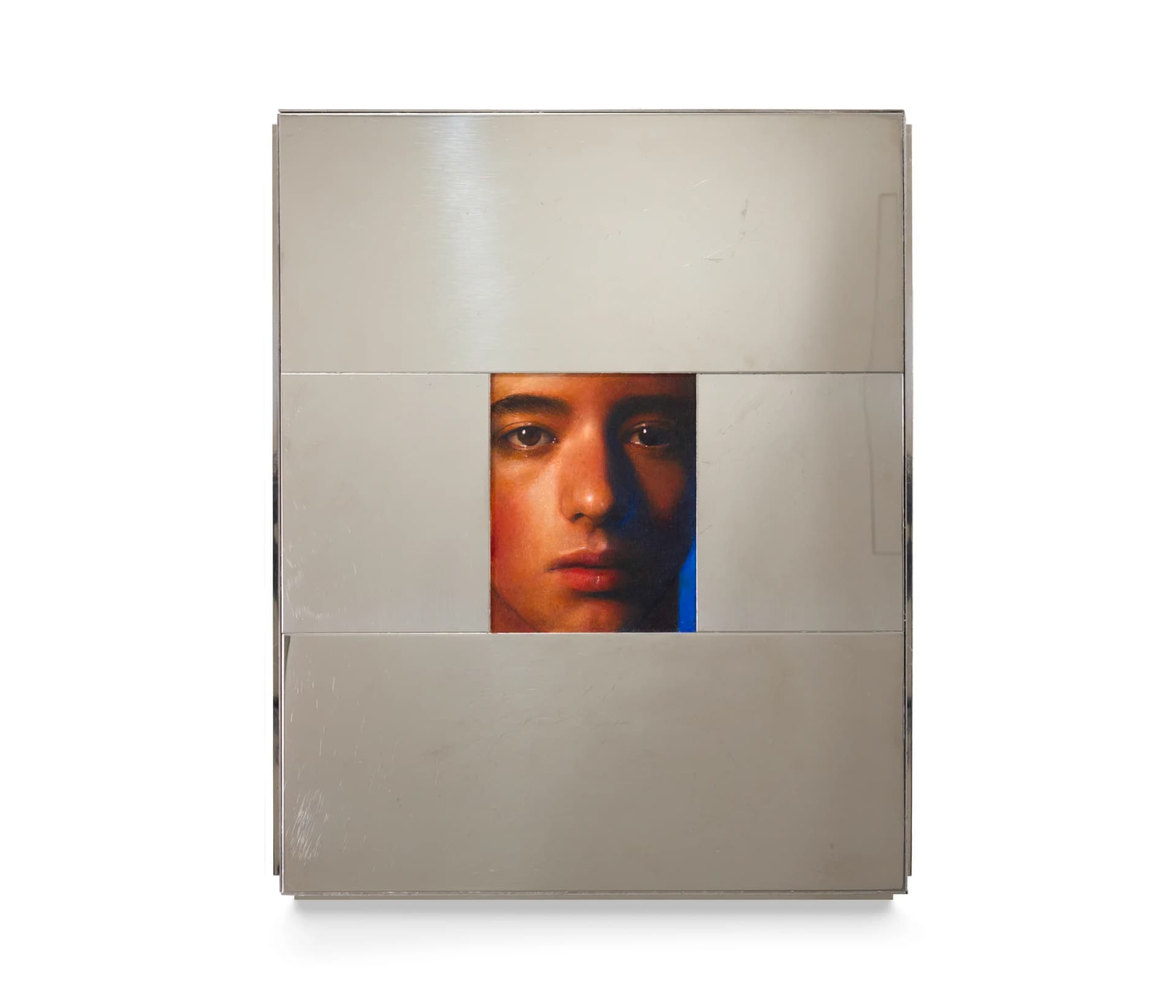
Ki Yoong